Briefly
The number thirteen carries one of the most powerful and most contradictory symbolic meanings in human culture. In many Western societies, it is strongly associated with bad luck, betrayal, and misfortune, a reputation reinforced by its link to the Last Supper and the Norse trickster god Loki. However, in other traditions—such as Judaism, Hinduism, and certain indigenous cultures—thirteen is revered as a sacred, lucky, or transformative number. This duality makes thirteen a symbol of endings that enable new beginnings, of chaos that precedes creation, and of the tension between order and disorder.
What Does Number Thirteen Symbolize?
At its core, the number thirteen represents transformation and the completion of a cycle. It follows the complete twelve (the number of months, zodiac signs, Olympic gods, and apostles before Judas) and therefore represents a transition into a new phase—often disruptive or unexpected. Thirteen is linked to the lunar calendar (thirteen lunar months in a year) and thus to natural cycles, the feminine principle, and the passage of time. It can also signify rebellion, independence, and the breaking of established patterns, as seen in its association with outcasts, misfits, and those who challenge authority.
Positive and Negative Meanings of Number Thirteen
Positive associations: In many cultures, thirteen is not unlucky but auspicious. In Judaism, the number represents divine mercy and the thirteen attributes of God; young people become bar or bat mitzvah at age thirteen, marking their entry into religious adulthood. In Hinduism, there are thirteen steps to enlightenment in some traditions. In tarot, the thirteenth card is Death, which symbolizes not literal death but profound transformation and renewal. In numerology, thirteen reduces to the number four (1+3=4), which stands for stability, hard work, and building solid foundations—positive qualities of structure and perseverance.
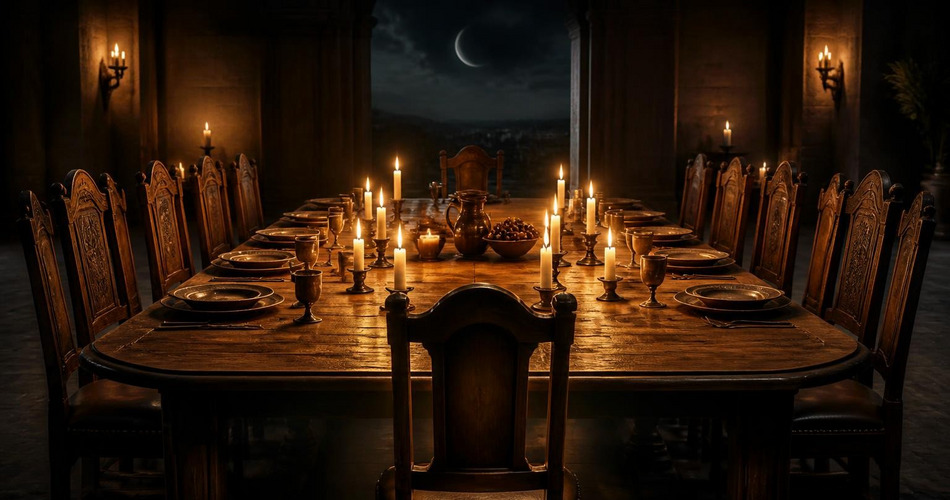
Negative meanings: The negative reputation of thirteen largely stems from Christianity: Judas Iscariot, the apostle who betrayed Jesus, was the thirteenth guest at the Last Supper. This led to the superstition that thirteen diners together bring bad luck, especially if one leaves early. In Norse mythology, the trickster god Loki crashed a banquet of twelve gods, causing chaos and the death of Baldr. These narratives cemented thirteen as a number of betrayal, disaster, and untimely death. The fear of the number thirteen is so widespread that it has its own clinical name: triskaidekaphobia. Many buildings skip the thirteenth floor, and airlines omit row thirteen on airplanes.
History and Origins of Number Thirteen Symbolism
The dual symbolism of thirteen dates back to ancient Mesopotamia, where the twelve-month solar calendar left an extra month that was considered chaotic and unlucky. The lunar calendar, with its thirteen months, was venerated by early agricultural societies who observed the moon’s influence on tides and crops. The number’s association with the moon linked it to femininity and cycles of birth, death, and rebirth. In ancient Egypt, the thirteenth step in the soul’s journey through the afterlife was considered transformative. Later, the biblical story of the Last Supper (Christ plus twelve apostles) and the Norse myth of Loki as the thirteenth god solidified the negative connotation in Western consciousness. Meanwhile, in many Eastern traditions, thirteen retained its positive lunar associations and was never assigned a malign meaning.
Symbolism of Number Thirteen in Different Cultures
Western culture: In Western contexts, thirteen is widely regarded as unlucky. Friday the 13th is considered a day of misfortune, and many high-rise buildings and hotels deliberately omit a thirteenth floor. The superstition is so ingrained that it affects real estate pricing and travel behavior.
Jewish culture: Thirteen is a profoundly positive number. It corresponds to the thirteen attributes of God’s mercy (as revealed to Moses) and the age of bar and bat mitzvah, when a child becomes responsible for observing the commandments. The number also appears in the Thirteen Principles of Faith formulated by Maimonides.
Hinduism: In some Hindu traditions, thirteen is associated with the god Shiva and with cycles of destruction and regeneration. There are also thirteen steps in certain rituals related to the afterlife. However, in some regions, thirteen can be considered unlucky, showing the variability of cultural interpretations.
Chinese culture: In Chinese numerology, thirteen is not especially lucky or unlucky, but its pronunciation (shí sān) sounds similar to “is definitely alive,” which some consider slightly positive. However, the number four is far more dreaded than thirteen in East Asia.
Mexican and Latin American cultures: The Day of the Dead festivities often involve the number thirteen, as it is linked to the thirteen levels of the underworld in Aztec cosmology. Here, thirteen represents a journey of the soul and the possibility of transformation.
Spiritual Meaning of Number Thirteen
In esoteric traditions, thirteen is seen as a number of spiritual growth through upheaval. It challenges the seeker to break free from old structures and embrace change. In tarot, the Death card (numbered XIII) is not about physical dying but about shedding outdated beliefs, relationships, or ways of being—a necessary death before rebirth. In numerology, thirteen is considered a karmic number, indicating that the individual may face tests of endurance and transformation, but ultimately emerge stronger. The number is also linked to the lunar year of thirteen months, tying it to feminine cycles and intuitive wisdom. For many, meditating on the number thirteen can bring awareness of life’s impermanence and the value of transformation.
Number Thirteen in Myths and Folklore
The most famous myth involving thirteen is the Norse story of Loki. In the banquet of the gods at Valhalla, twelve gods were present, but Loki—the trickster and god of mischief—arrived uninvited as the thirteenth, causing the death of the beloved god Baldr. This tale cemented the idea that thirteen is an intruder that brings chaos. In Christian folklore, the thirteenth guest at the Last Supper was Judas, who betrayed Jesus, leading to the crucifixion. This association made the number synonymous with treachery and doom. In Scottish and British folklore, a group of thirteen witches was said to constitute a coven, linking the number to the occult and secret knowledge. In contrast, some Native American traditions view thirteen as a sacred number representing the thirteen moons of the year, each with its own teaching and power.
Number Thirteen in Superstitions and Omens
The superstition surrounding thirteen is one of the most widespread in the Western world. Common beliefs include:
- Friday the 13th is considered an unlucky day, with many people avoiding travel, major decisions, or even leaving the house.
- Thirteen diners at a table is said to bring misfortune or death to one of them, a superstition stemming from the Last Supper.
- Building floors and hotel room numbers often skip from 12 to 14 to avoid the number.
- Addresses with the number 13 are sometimes avoided or renumbered.
- In some cultures, giving gifts in sets of thirteen is considered unlucky, especially in relation to weddings or housewarming.
In contrast, in Italy, thirteen is considered lucky, particularly for gambling, and is often associated with the goddess of fortune, Fortuna. The number also appears in good-luck charms and amulets in some Latin American folk traditions.
Number Thirteen in Art and Literature
The number thirteen appears as a theme or symbol in a number of notable works. In Dan Brown’s novel The Da Vinci Code, the number is used to underscore the idea of hidden sacred knowledge, particularly in relation to the “Last Supper” painting and the supposed thirteenth member (Mary Magdalene). In Agatha Christie’s The Thirteen Problems, a group of characters gathers to solve mysteries, using the number to imply that unusual events will unfold. In film, the horror franchise Friday the 13th directly exploits the superstition, linking the date to serial violence and terror. In music, the band Thirteen Senses and many songs titled “Thirteen” evoke themes of coming of age or rebellion. In visual art, the thirteenth card of the Major Arcana in tarot—Death—has been illustrated by countless artists, often as a skeleton riding a horse, symbolizing inescapable change.
Frequently Asked Questions About Number Thirteen
Q: Why is the number thirteen considered unlucky?
A: The most common explanation is its association with the Last Supper, where Judas Iscariot was the thirteenth guest and later betrayed Jesus. This Christian narrative, combined with Norse myths of Loki as the thirteenth god, cemented thirteen as a number of betrayal and misfortune in Western culture.
Q: Is the number thirteen ever considered lucky?
A: Yes. In Judaism, thirteen is a sacred number representing divine mercy and the age of bar mitzvah. In Italian culture, it is often seen as lucky, especially for gamblers. In some pagan and lunar traditions, thirteen symbolizes the natural cycle of the moon and is a number of feminine power and renewal.
Q: What does the number thirteen mean in numerology?
A: In numerology, thirteen reduces to four (1+3=4), which represents stability, hard work, and building foundations. However, thirteen is also considered a karmic number that tests a person through upheaval and change before rewarding them with growth.
Q: What is triskaidekaphobia?
A: Triskaidekaphobia is the intense, irrational fear of the number thirteen. It is the most common superstition-related phobia in the Western world, affecting many people to the point that buildings and airlines intentionally omit the number thirteen from floor and row numbering.
Related Symbols
- Friday the 13th – a date associated with bad luck, directly stemming from the superstition of the number thirteen.
- Death card (Tarot XIII) – the thirteenth Major Arcana card, symbolizing transformation and the end of a cycle.
- Twelve – the complete cycle, often contrasted with thirteen as the disruptive addition.
- Loki – the Norse trickster god who appears as the thirteenth guest, symbolizing chaos and mischief.
- Bar mitzvah – the Jewish coming-of-age ceremony at age thirteen, marking spiritual maturity.
- Lunar calendar – based on thirteen months, linking thirteen to natural cycles and feminine energy.
- Triskaidekaphobia – the fear of the number thirteen, a cultural phenomenon in itself.