Briefly
Shoes are among the most personal objects we own, carrying the weight of our daily journeys and the imprints of our steps. Across cultures, they symbolize not only physical protection and grounding but also social status, identity, and the path one walks in life. The condition, style, and even the act of removing or losing shoes can convey deep meanings about freedom, vulnerability, and transition.
What Does Shoe Symbolize?
Shoes primarily symbolize journey and movement. They represent the path we take, the direction of our lives, and the progress we make. Because they are worn on the feet—the part of the body that connects us to the earth—shoes also symbolize grounding and stability. In many traditions, footwear is linked to personal identity: the type of shoe can indicate social class, profession, or cultural affiliation. Additionally, shoes can signify protection, shielding the wearer from harsh terrain and unseen dangers. In a broader sense, they embody the idea of preparation—being ready for whatever lies ahead.
Positive and Negative Meanings
Positive associations: Shoes are often seen as symbols of progress, ambition, and readiness. A new pair of shoes can represent a fresh start or a new phase in life. They also signify stability and security, both physically and metaphorically. In many cultures, giving shoes as a gift conveys wishes for a safe journey or success in a new endeavor.
Negative meanings: On the darker side, shoes can represent restriction or being trapped in a certain role or situation. Worn-out or ill-fitting shoes may symbolize hardship, poverty, or a difficult journey. Losing a shoe in a dream or story often points to loss of direction, vulnerability, or a missed opportunity. In some superstitions, shoes placed improperly (e.g., on a table) are considered bad luck, inviting misfortune or death.
History and Origins of Shoe Symbolism
The symbolic importance of shoes dates back to ancient times. In many early societies, footwear was a marker of status—only the wealthy could afford durable shoes, while the poor often went barefoot. In ancient Egypt, sandals were associated with nobility and were sometimes buried with the dead to ensure safe passage in the afterlife. In the Bible, removing one’s shoes is a sign of reverence, as seen when Moses stands on holy ground. The custom of throwing shoes at someone as an insult has roots in the idea that shoes carry the dirt and lowliness of the earth. Over centuries, shoes have accumulated layers of meaning related to power, humility, and transition.
Shoe Symbolism in Different Cultures
In many Asian cultures, shoes are removed before entering a home, symbolizing respect and the shedding of outside impurities. In China, the word for shoe (xié) sounds like the word for “evil,” so shoes are sometimes used in rituals to ward off bad luck. In Indian weddings, the groom’s shoes are playfully hidden by the bride’s sisters, a ritual that symbolizes the bride’s family asserting their importance. In Western culture, the glass slipper in the Cinderella story represents transformation and the perfect fit of destiny. In Middle Eastern traditions, showing the sole of one’s shoe is a grave insult, reflecting the shoe’s association with dirt and low status. In Japan, geta (wooden sandals) are worn with traditional attire and signify a connection to cultural heritage and seasonal changes.
Spiritual Meaning of Shoes
Spiritually, shoes are often seen as a symbol of one’s life path and spiritual journey. They represent the choices we make and the steps we take toward enlightenment or personal growth. In many spiritual traditions, walking barefoot is considered a way to connect with the earth’s energy, while wearing shoes can symbolize a barrier between the self and the divine. The act of removing shoes before entering a sacred space—common in Hinduism, Buddhism, Islam, and Sikhism—is a gesture of humility and respect, acknowledging that the ground is holy. In dream interpretation, shoes can reflect the dreamer’s spiritual direction: new shoes may indicate a new spiritual path, while old or broken shoes may suggest a need to release outdated beliefs.
Shoes in Myths and Folklore
One of the most famous shoe-related myths is the Greek story of Perseus, who receives winged sandals from Hermes to help him slay Medusa. The sandals grant him speed and the ability to fly, symbolizing divine assistance and swift action. In Norse mythology, the god Vidar wears a special shoe made from scraps of leather to help him avenge his father Odin by tearing apart the wolf Fenrir. In European folklore, the “seven-league boots” appear in tales like “Hop-o’-My-Thumb,” allowing the wearer to cover vast distances in a single step—a symbol of magical travel and overcoming obstacles. The tale of “The Red Shoes” by Hans Christian Andersen warns of vanity and obsession: a pair of red shoes forces a girl to dance uncontrollably until she repents, illustrating the dangers of unchecked desire.
Shoes in Dreams
Dreams about shoes are common and often relate to the dreamer’s sense of direction, status, or readiness. The condition and type of shoe provide clues to the dream’s meaning. For example, dreaming of wearing uncomfortable shoes may reflect a situation in waking life that feels restrictive or ill-fitting. Losing a shoe can symbolize a fear of losing one’s footing or identity. Dreaming of buying new shoes often indicates a desire for change or a new beginning. Shoes that are too big may suggest that the dreamer is taking on too much responsibility, while shoes that are too small can indicate feeling constrained.
Common Dream Scenarios
- Losing a shoe: Often represents a loss of direction, vulnerability, or fear of being unprepared for a challenge.
- Wearing new shoes: Symbolizes a fresh start, new opportunities, or a change in life circumstances.
- Worn-out or broken shoes: Suggests exhaustion, hardship, or the need to let go of old patterns.
- Taking off shoes: Can indicate a desire to relax, be authentic, or remove barriers between yourself and others.
- Someone else’s shoes: May reflect empathy, envy, or the feeling of stepping into another person’s role.
Shoes in Superstitions and Omens
Superstitions about shoes vary widely. Placing shoes on a table is considered bad luck in many cultures, as it is thought to invite death or misfortune—possibly because shoes that touch the ground should not be placed where people eat. In some traditions, putting shoes on a bed is also unlucky. Throwing an old shoe after a bride or a traveler is believed to bring good luck, a custom that may have originated from the idea of transferring good fortune. In parts of Europe, finding a shoe in the road is considered a lucky omen. In contrast, seeing a shoe upside down is thought to be unlucky. In many cultures, it is considered bad luck to buy shoes for a baby before they are born, as it might tempt fate.
Shoes in Art and Literature
Shoes have been powerful symbols in art and literature for centuries. In Vincent van Gogh’s painting “A Pair of Shoes” (1886), the worn, humble boots are often interpreted as a symbol of the peasant’s hard life and dignity. The painting invites viewers to consider the stories embedded in everyday objects. In Hans Christian Andersen’s fairy tale “The Red Shoes” (1845), the shoes represent vanity, obsession, and the consequences of sin—the protagonist is forced to dance until she repents. In William Shakespeare’s play “King Lear,” the removal of shoes is a gesture of humility and madness. In modern literature, Salman Rushdie’s “The Satanic Verses” features a scene where shoes are thrown as an insult, reflecting their symbolic power. In film, the ruby slippers in “The Wizard of Oz” (1939) are iconic symbols of home, power, and the journey of self-discovery.
Shoe Tattoo Meaning
Shoe tattoos are relatively uncommon but carry personal significance for many. They often represent a love of travel, a specific journey, or a transformative experience. A tattoo of worn-out boots might symbolize endurance and the hardships overcome on a life path. High-heeled shoes can represent femininity, confidence, or glamour. Sneakers may symbolize youth, athleticism, or a casual approach to life. Some people get tattoos of a single shoe to commemorate a lost loved one or a significant turning point. The meaning is deeply personal and often tied to the wearer’s own story.
Meanings of Different Types of Shoes
- High heels: Often symbolize femininity, power, and sexuality, but can also represent discomfort or societal pressure.
- Sneakers: Represent comfort, practicality, youth, and an active lifestyle.
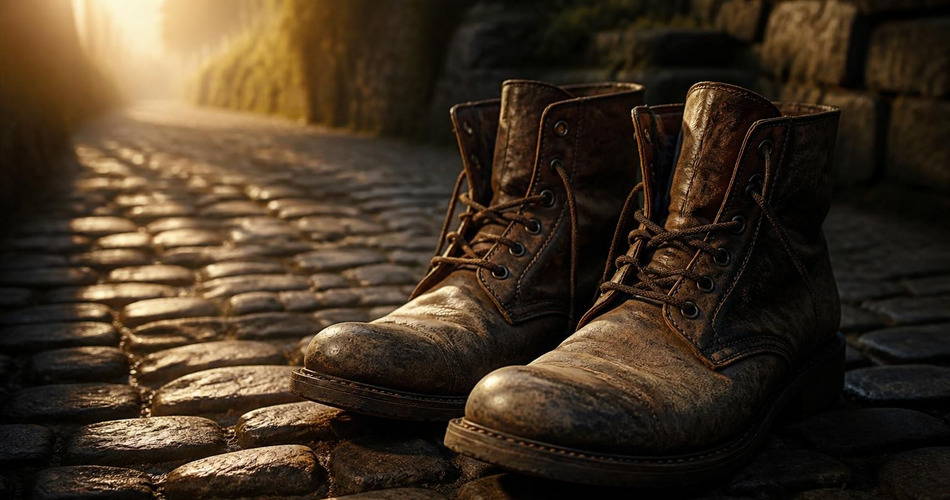
- Boots: Symbolize strength, durability, and readiness for rugged terrain or difficult work. Military boots specifically connote discipline and authority.
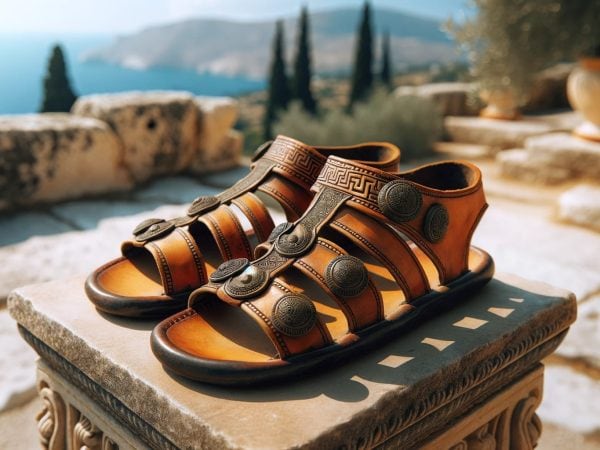
- Sandals: Associated with leisure, simplicity, and connection to nature. In ancient times, they were also a sign of status.
- Bare feet (absence of shoes): Symbolize vulnerability, humility, or a desire for grounding and authenticity.
Frequently Asked Questions
Q: What does it mean when you dream about losing a shoe?
A: Dreaming of losing a shoe often reflects feelings of insecurity, loss of direction, or fear of being unprepared for a challenge in waking life.
Q: Why are shoes considered bad luck on a table?
A: In many cultures, placing shoes on a table is thought to invite misfortune or death, possibly because shoes are associated with the ground and dirt, and placing them where people eat is considered disrespectful.
Q: What is the spiritual meaning of removing shoes?
A: Removing shoes before entering a sacred space is a gesture of humility and respect, acknowledging the holiness of the ground and the need to leave worldly concerns behind.
Q: What does a shoe tattoo symbolize?
A: Shoe tattoos typically represent a personal journey, travel, endurance, or a significant life change. The specific type of shoe adds nuance to the meaning.
Related Symbols
- Feet – the body part shoes protect; symbolize grounding and movement.
- Path – the journey or direction in life that shoes facilitate.
- Sandals – a specific type of footwear with its own cultural and spiritual connotations.
- Boots – often symbolize strength, labor, or military service.
- Slippers – associated with comfort, domesticity, and relaxation.