Briefly
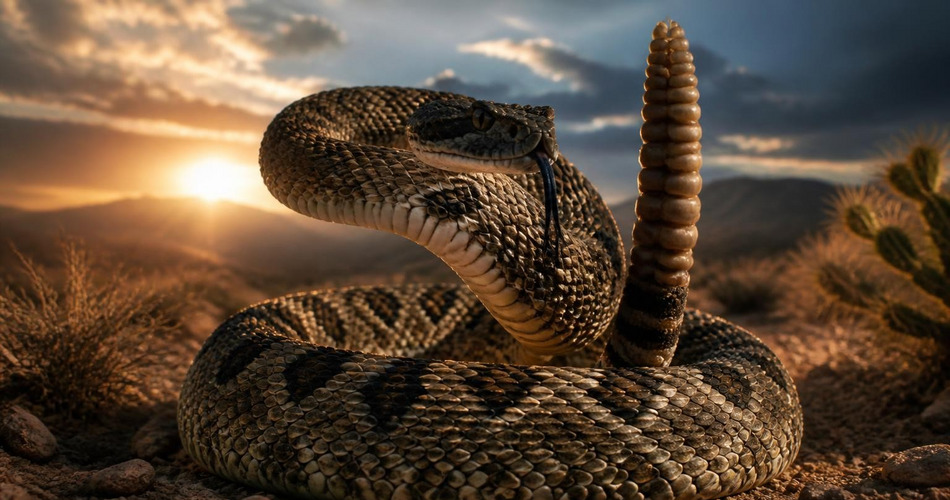
The rattlesnake is one of the most potent animal symbols in the world, representing a blend of warning, transformation, and primal power. Its iconic rattle serves as an unmistakable signal of danger, making it a symbol of alertness and self-defense. At the same time, the snake’s ability to shed its skin links it to themes of renewal and rebirth. Across cultures, the rattlesnake has been both feared and revered, embodying the dual nature of life and death, protection and peril.
What Does the Rattlesnake Symbolize?
The rattlesnake primarily symbolizes warning and vigilance. The sound of its rattle is a clear message to back away, making it a natural emblem of boundaries and self-preservation. It also represents transformation because it sheds its skin periodically, a process that signifies growth, change, and the shedding of old habits or identities. Additionally, the rattlesnake is associated with primal energy, instinct, and the raw forces of nature. Its venom, while deadly, has also been used in traditional medicine, linking it to healing and the paradox of poison as cure.
Positive and Negative Meanings of Rattlesnake Symbolism
Positive associations: The rattlesnake is often seen as a guardian and protector. Its rattle warns others away, preventing conflict and harm. In many Native American traditions, the rattlesnake is a symbol of fertility, rain, and life-giving forces. Its skin-shedding ability represents personal transformation, resilience, and the courage to embrace change. The snake’s keen senses also symbolize heightened awareness and intuition.
Negative meanings: The rattlesnake is also a symbol of danger, deceit, and hidden threats. Its venomous bite represents sudden harm or betrayal. In some contexts, the snake is associated with evil, temptation, or the darker aspects of nature. The rattle itself can be seen as a warning of impending doom, and the snake’s stealthy movements evoke fear and mistrust.
History and Origins of Rattlesnake Symbolism
Rattlesnakes are native to the Americas, and their symbolism has deep roots in the cultures of indigenous peoples. Archaeological evidence shows rattlesnake imagery in ancient petroglyphs and pottery, particularly in the southwestern United States and Mexico. The Aztecs and Mayans associated rattlesnakes with deities such as Quetzalcoatl, the feathered serpent, who embodied wisdom, wind, and creation. In these civilizations, the rattlesnake was a powerful symbol of the earth and the underworld. European colonists later adopted the rattlesnake as a symbol of American independence and resilience, most famously on the Gadsden flag with the motto “Don’t Tread on Me,” which uses the rattlesnake to represent vigilance and the willingness to defend liberty.
Rattlesnake Symbolism in Different Cultures
In Native American cultures, the rattlesnake is often a sacred animal. The Hopi people perform snake dances to honor the rattlesnake and ask for rain and fertility. The rattlesnake is also a clan animal for some tribes, representing protection and the power of the earth. In the Pueblo tradition, the rattlesnake is a guardian of water sources and a symbol of life.
In Mexican and Central American cultures, the rattlesnake appears in the imagery of the Aztec god Quetzalcoatl and the Maya god Kukulkan, both feathered serpents that combine bird and snake attributes. These deities represent the union of earth and sky, knowledge, and the cycle of life.
In modern American culture, the rattlesnake is a symbol of defiance and independence, as seen on the Gadsden flag. It also appears in Western folklore as a dangerous adversary, but also as a creature to be respected for its survival skills.
Spiritual Meaning of the Rattlesnake
Spiritually, the rattlesnake is a messenger of transformation and awakening. Its rattle is seen as a call to pay attention to one’s surroundings and inner voice. The shedding of skin represents spiritual rebirth and the release of old patterns. Many people who feel a connection to the rattlesnake as a spirit animal are said to be undergoing a period of intense personal change or are being called to stand their ground and protect their boundaries. The rattlesnake also embodies the concept of kundalini energy in some esoteric traditions—a coiled serpent at the base of the spine that, when awakened, leads to spiritual enlightenment.
Rattlesnake in Myths and Folklore
In Native American mythology, the rattlesnake often appears as a trickster or a teacher. For example, in the mythology of the Navajo, the rattlesnake is one of the four directional guardians, associated with the color yellow and the west. In Hopi legends, the Snake Clan performs rituals to communicate with the rattlesnake spirits to bring rain.
In Aztec mythology, the god Quetzalcoatl is sometimes depicted with rattlesnake features, such as a rattle on his tail. This emphasizes the rattlesnake’s role as a symbol of both the earthly and the divine. In Southwestern folklore, the rattlesnake is often portrayed as a cunning creature that can outwit humans, but also as a source of medicine—rattlesnake oil was historically used as a remedy for various ailments.
Rattlesnake in Dreams
Dreaming of a rattlesnake often carries a message of warning or transformation. The snake may represent a threat in your waking life that you need to address, or it could symbolize a hidden fear that is about to surface. Hearing the rattle in a dream suggests that you are being alerted to a situation that requires caution. Alternatively, a rattlesnake shedding its skin in a dream can indicate that you are ready to let go of the past and embrace personal growth.
Common Rattlesnake Dream Scenarios
- Being chased by a rattlesnake: You may be avoiding a difficult issue or emotion that needs to be confronted.
- Killing a rattlesnake: Overcoming a challenge or defeating an enemy.
- A rattlesnake coiled and ready to strike: A warning about a person or situation that is about to cause harm.
- A rattlesnake shedding its skin: A period of personal transformation and renewal is approaching.
- Multiple rattlesnakes: Feeling overwhelmed by many threats or changes at once.
Rattlesnake in Superstitions and Omens
In many parts of the United States, seeing a rattlesnake is considered an omen of danger or a warning to be cautious. Some superstitions hold that killing a rattlesnake brings bad luck, while others believe that carrying a rattlesnake rattle brings protection or good fortune. In some traditions, the number of rattles on a snake indicates the number of years it has lived, and counting them is thought to bring insight into one’s own life span. In the American Southwest, a rattlesnake crossing your path is often seen as a sign to stop and reconsider your direction.
Rattlesnake in Art and Literature
The rattlesnake appears prominently in American art and literature as a symbol of independence and defiance. Perhaps the most famous example is the Gadsden flag, designed in 1775 by Christopher Gadsden, which features a coiled rattlesnake on a yellow field with the words “Don’t Tread on Me.” This flag has been used by various movements to represent resistance against oppression. In literature, rattlesnakes appear in works such as The Grapes of Wrath by John Steinbeck, where a rattlesnake symbolizes the harshness and danger of the Dust Bowl landscape. In the poetry of Robinson Jeffers, the rattlesnake is a symbol of wild, untamed nature. In visual art, Georgia O’Keeffe painted rattlesnakes in her Southwestern landscapes, emphasizing their connection to the desert and the cycle of life and death.
Rattlesnake Tattoo Meaning
Rattlesnake tattoos are popular for their bold imagery and deep symbolism. They often represent strength, survival, and a warning to others not to cross the wearer. A coiled rattlesnake ready to strike symbolizes readiness and defense. A rattlesnake with its rattle visible can signify alertness and vigilance. Some people choose rattlesnake tattoos to mark a personal transformation or to honor their connection to the American Southwest. The tattoo can also be a symbol of independence and a refusal to be controlled.
Meanings of Different Rattlesnake Types and Colors
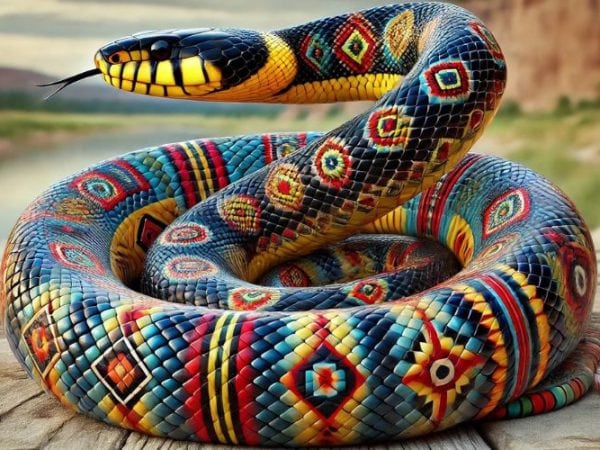
While all rattlesnakes share core symbolism, specific species and color variations can add nuance. The diamondback rattlesnake, with its distinctive diamond pattern, is often associated with wealth and protection because the diamond shape is a symbol of value and strength. The timber rattlesnake, found in eastern forests, is linked to the earth and hidden wisdom. A black rattlesnake may represent mystery and the unknown, while a lighter-colored rattlesnake can symbolize clarity and truth. In general, the more vibrant the colors, the more the snake is seen as a warning—bright patterns in nature often signal danger.
Frequently Asked Questions about Rattlesnake Symbolism
Q: What does it mean if a rattlesnake crosses your path?
A: It is often interpreted as a warning to be cautious and aware of potential dangers or obstacles ahead. It may also signal a need for transformation.
Q: Is the rattlesnake a positive or negative symbol?
A: The rattlesnake is both positive and negative. It can represent protection, healing, and transformation, but also danger, deceit, and death. Its meaning depends on the context.
Q: What does a rattlesnake spirit animal mean?
A: A rattlesnake spirit animal suggests that you are in a period of intense change and need to be alert to threats. It encourages you to shed old habits and stand your ground.
Q: Why is the rattlesnake on the Gadsden flag?
A: The rattlesnake was chosen as a symbol of American vigilance and readiness to defend liberty. Its rattle warns before striking, and it will not attack without provocation, mirroring the ideals of self-defense.
Related Symbols
- Snake (general): Shares themes of transformation, healing, and danger.
- Eagle: Another American symbol of freedom and strength, often paired with the rattlesnake in patriotic imagery.
- Scorpion: Represents danger, protection, and survival in harsh environments.
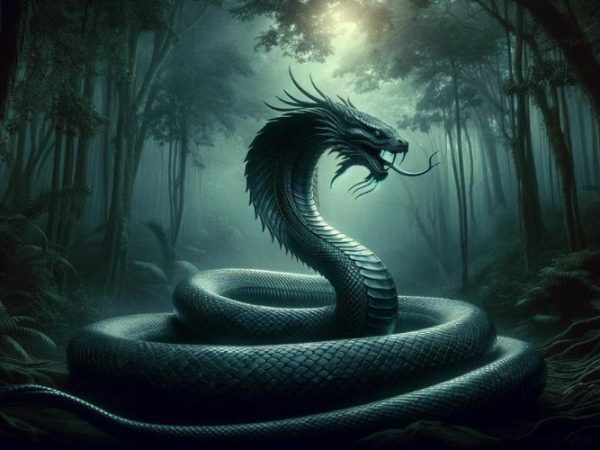
- Dragon: In many cultures, dragons combine serpentine traits with power and wisdom.
- Feather: Often associated with truth and flight, contrasting with the earthbound snake.