Briefly
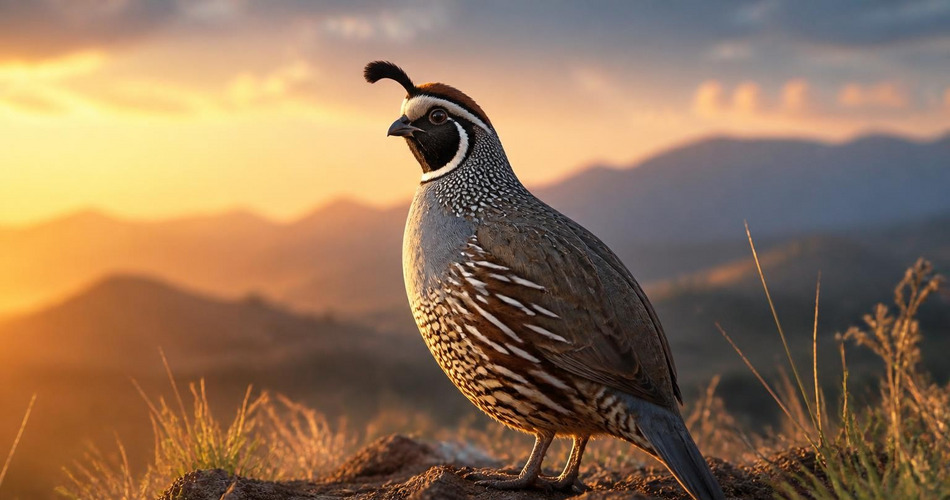
The quail is a small ground-nesting bird that has long carried rich symbolic meaning across cultures. Often associated with courage, protection, and fertility, the quail also represents renewal and the arrival of spring. Its distinctive call and migratory habits have made it a symbol of guidance and seasonal change. While positive meanings dominate, the quail can also signify timidity or vulnerability in some contexts.
What Does Quail Symbolize?
Quail symbolism centers on themes of courage, protection, and fertility. As a bird that nests on the ground and fiercely defends its young, the quail embodies maternal care and bravery in the face of danger. Its migratory nature links it to cycles of renewal and the changing seasons, particularly spring. In many traditions, the quail is also a symbol of abundance and divine provision, as seen in biblical accounts where quail were sent as food for the Israelites. Additionally, its distinctive call has been interpreted as a guide or signal, leading travelers or marking important moments.
Positive and Negative Meanings
Positive associations: Courage, protection, fertility, renewal, abundance, guidance, maternal love, and seasonal change. The quail is often seen as a bringer of good fortune and a reminder of nature’s cycles.
Negative meanings: Timidity, vulnerability, and being easily startled. In some interpretations, the quail’s ground-dwelling nature can symbolize a lack of ambition or a tendency to stay hidden rather than take risks.
History and Origins of Quail Symbolism
The quail appears in some of the oldest recorded texts. In the Hebrew Bible, quail are mentioned in the Book of Exodus (16:13) and Numbers (11:31-32), where God sends quail to feed the Israelites in the wilderness. This event established the quail as a symbol of divine provision and abundance. In ancient Greece, the quail was associated with the goddess Artemis and the island of Ortygia (meaning “quail”), which was said to be her birthplace. The bird’s migration patterns were observed and linked to the changing seasons, reinforcing its symbolism of renewal and cyclical time. In Roman times, quail were kept for their meat and eggs, but also held symbolic value in augury and divination.
Quail Symbolism in Different Cultures
In Native American traditions, the quail is often seen as a symbol of fertility and family unity. Its habit of forming coveys (groups) represents community and cooperation. Some tribes view the quail as a messenger of spring and new beginnings. In Chinese culture, the quail is associated with courage and is sometimes depicted in art alongside other symbols of bravery. Its name in Chinese (鹌鹑, ānchún) also carries connotations of peace and safety. In European folklore, the quail’s call was believed to signal the start of spring and was used in weather lore. In Japanese culture, the quail (uzura) appears in poetry and art as a symbol of the autumn season and is often linked to the moon and melancholy beauty.
Spiritual Meaning of Quail
Spiritually, the quail represents protection and nurturing energy. Its strong maternal instincts remind us to care for and defend our loved ones. The quail’s migration also symbolizes spiritual journeys and the need to follow inner guidance. In some belief systems, encountering a quail is a sign to trust in divine provision and to have faith that one’s needs will be met. The bird’s ground-dwelling nature encourages grounding and connection to the earth, while its flight at migration time symbolizes the balance between earthly and spiritual realms.
Quail in Myths and Folklore
In Greek mythology, the island of Ortygia (modern-day Delos) was named after the quail. According to myth, it was the birthplace of Artemis and Apollo. The quail was sacred to Artemis, the goddess of the hunt and protector of young creatures. In Hindu mythology, the quail is associated with the god Vishnu in some regional tales, though this is less common. In European folklore, the quail’s call was believed to predict weather changes, and its appearance was sometimes considered an omen of good luck or a bountiful harvest. In some traditions, quail feathers were used in charms for protection and fertility.
Quail in Dreams
Dreaming of a quail often carries positive meanings related to protection, family, and new beginnings. The quail in a dream may symbolize a need to nurture a project or relationship, or it may indicate that you are being guided toward a new phase in life. Because quail are ground birds, they can also represent grounding and practicality. However, if the quail appears frightened or injured, it may reflect feelings of vulnerability or a need to stand up for yourself.
Common Dream Scenarios
- Seeing a quail nest with eggs: Symbolizes fertility, new ideas, or the beginning of a family or creative project.
- A quail flying away: May indicate missed opportunities or a need to let go of something that no longer serves you.
- Hearing a quail call: Suggests that guidance or a message is coming; pay attention to your intuition.
- Hunting or catching a quail: Represents the pursuit of goals, ambition, or the desire to provide for loved ones.
- A wounded or dead quail: Could signify feelings of vulnerability, loss, or the end of a protective phase.
Quail in Superstitions and Omens
In some rural European traditions, hearing a quail call near the house was considered a good omen, foretelling a prosperous season or a successful harvest. Conversely, if a quail flew into a home, it was sometimes seen as a warning of illness or bad luck, though this belief was not widespread. In parts of Asia, quail feathers were kept in the home to ward off evil spirits and bring protection. In general, quail are viewed positively in superstition, associated with abundance and safety.
Quail in Art and Literature
The quail appears in several notable works. In the Bible, the story of quail falling in the Israelite camp (Exodus 16) is a key narrative of divine provision. In Greek mythology, the quail is central to the founding myth of Delos. In Japanese haiku, the quail (uzura) is a seasonal word (kigo) for autumn, often used to evoke a sense of melancholy and change. For example, the haiku poet Matsuo Bashō wrote: “The quail’s cry / echoing through the field / autumn deepens.” In Chinese painting, quail are sometimes depicted with chrysanthemums to symbolize longevity and courage. In Western art, quail appear in medieval bestiaries as symbols of maternal care and in Renaissance still lifes as part of game scenes.
Frequently Asked Questions
Q: What does a quail symbolize in the Bible?
A: In the Bible, quail symbolize divine provision and abundance, as God sent quail to feed the Israelites in the wilderness.
Q: Is the quail a symbol of good luck?
A: Yes, in many cultures the quail is considered a good luck symbol, especially associated with fertility, protection, and a bountiful harvest.
Q: What does it mean when you see a quail?
A: Seeing a quail can be a reminder to nurture your family or projects, to trust in guidance, and to embrace new beginnings.
Q: Are quail symbols of courage?
A: Yes, quail are often symbols of courage because they fiercely protect their young despite their small size.
Related Symbols
- Partridge – Similar ground bird, often symbolizing fertility and protection.
- Pheasant – Associated with beauty, abundance, and seasonal change.
- Dove – Represents peace, purity, and divine guidance.
- Chicken – Symbol of nurturing, motherhood, and domesticity.
- Spring – Season of renewal, closely tied to quail migration.