Briefly
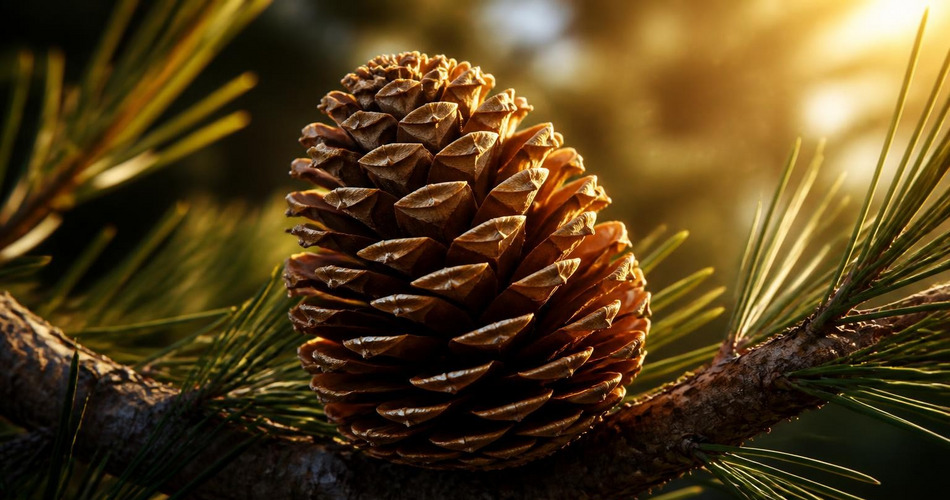
The pine cone is a powerful natural symbol found across many cultures and historical periods. Its layered, spiraling structure has long been associated with concepts of immortality, enlightenment, and spiritual growth. Because the pine cone contains seeds that regenerate new life, it also represents fertility, renewal, and abundance. Its distinctive shape has been used in art, architecture, and religious iconography for thousands of years.
What Does the Pine Cone Symbolize?
The pine cone is primarily a symbol of immortality and eternal life. Its seeds, protected by tough scales, can remain dormant for years before sprouting, mirroring the idea of life persisting through time. The Fibonacci spiral pattern visible in many pine cones has linked them to sacred geometry, representing order, growth, and the unfolding of the universe. In many traditions, the pine cone also stands for enlightenment and spiritual awakening, as its spiraling form suggests an ascent toward higher consciousness.
Beyond these metaphysical associations, the pine cone is a universal emblem of fertility and regeneration. The cone is the reproductive structure of conifer trees, releasing seeds that give rise to new forests. This connection to renewal makes it a symbol of abundance and the cyclical nature of life, death, and rebirth.
Positive and Negative Meanings
Positive associations: The pine cone is widely seen as a symbol of hope, resilience, and endurance. Its ability to survive harsh conditions and still produce new life makes it an emblem of perseverance and long-term growth. It also represents wisdom, enlightenment, and spiritual attainment, often linked to the pineal gland in the human brain, which is shaped similarly and associated with higher perception.
Negative meanings: In some contexts, the pine cone’s closed, hard exterior can symbolize secrecy or hidden knowledge. Its scales, when tightly shut, can be interpreted as defensiveness or resistance to change. Overly dry or closed cones may also suggest stagnation, but these negative readings are far less common than the positive associations.
History and Origins of Pine Cone Symbolism
The pine cone has been a meaningful symbol since ancient times. The most famous historical artifact is the Pine Cone of the Vatican, a massive bronze pine cone dating from the 1st or 2nd century AD, originally placed near the Pantheon in Rome and later moved to the Vatican. This sculpture has been interpreted as a symbol of fertility, abundance, and life-giving water, often associated with the goddess Cybele and the cult of the Great Mother.
In ancient Rome, pine cones were also used as decorations on fountains and public monuments, representing the life-giving properties of water. The symbolism continued into the Christian era, where the pine cone came to represent eternal life and the resurrection, appearing in early Christian art and on tombs. The Renaissance revived interest in the pine cone as a symbol of enlightenment, influencing architecture and gardens.
Pine Cone Symbolism in Different Cultures
Ancient Rome
In Roman culture, the pine cone was closely tied to the goddess Cybele, also known as the Magna Mater or Great Mother. Cybele was associated with nature, fertility, and wild places, and her worship involved pine trees and pine cones. The Pine Cone Court in the Vatican Museums preserves the giant bronze pine cone that once stood near the Temple of Cybele. For Romans, the pine cone symbolized abundance and the regenerative power of nature.
Celtic Culture
Among the Celts, the pine cone was a symbol of fertility and eternal life. Pine trees were considered sacred for their evergreen nature, and the cone represented the potential for new growth. The Celts also saw the pine cone as a protector of seeds, a metaphor for safeguarding wisdom and potential.
Eastern Religions
In Hinduism and Buddhism, the pine cone’s spiral pattern is often compared to the chakras and the kundalini energy coiled at the base of the spine. The pine cone’s shape mirrors the pineal gland, which is considered the seat of the soul or third eye in yogic traditions. This connection makes the pine cone a symbol of spiritual awakening and enlightenment in these traditions.
Native American Cultures
For many Native American tribes, pine cones were valued as a food source (pine nuts) and as a symbol of abundance and sustenance. The cone’s ability to remain closed until conditions are right to release seeds taught lessons about patience and timing. Some tribes used pine cones in rituals related to healing and purification.
Spiritual Meaning of the Pine Cone
In spirituality, the pine cone is widely linked to the pineal gland in the brain, often called the “third eye.” The pineal gland is responsible for producing melatonin and regulating sleep-wake cycles, and it has been associated with mystical experiences and higher states of consciousness. The pine cone’s similar shape led to its use as a symbol of enlightenment and spiritual insight in many esoteric traditions.
Meditation practitioners sometimes visualize the pine cone to focus on the crown chakra or the third eye, aiming to open themselves to higher wisdom. The pine cone also appears in modern spiritual contexts as a reminder of the interconnectedness of all life, as its seeds sustain forests and ecosystems. Its slow, deliberate growth reflects the patient unfolding of spiritual understanding.
Pine Cone in Myths and Folklore
Perhaps the most famous myth involving pine cones is the story of Cybele and Attis. According to the myth, the goddess Cybele fell in love with the mortal Attis, who later died. From his blood, violet flowers grew, and Cybele transformed him into a pine tree. The pine cone, as the tree’s seed-bearing structure, became a symbol of death and rebirth, integral to Cybele’s mystery cults.
In Greek mythology, pine cones were associated with the god Dionysus, the god of wine, ecstasy, and regeneration. His followers carried a thyrsus, a staff topped with a pine cone, representing fertility, abundance, and divine madness. The thyrsus was believed to have the power to transform and renew.
Folklore in parts of Europe held that carrying a pine cone would bring good luck, protect against evil spirits, and ensure a bountiful harvest. Some traditions used pine cones in fertility rituals, burying them in fields to promote crop growth.
Pine Cone in Dreams
Dreaming of a pine cone often symbolizes potential, new beginnings, or hidden talents waiting to be revealed. Because the pine cone holds seeds, it can represent something in your life that is developing but not yet fully manifest. The state of the cone in the dream — open or closed — may provide additional meaning.
- Seeing an open pine cone: signifies readiness, openness to new ideas, or a period of growth and abundance.
- Seeing a closed pine cone: suggests something is being protected or held back; patience may be needed before a revelation or opportunity unfolds.
- Holding a pine cone: indicates that you possess inner strength, wisdom, or potential that is ready to be used.
- Collecting pine cones: points to gathering resources, knowledge, or experiences for future use.
- A pine cone that is dry or crumbling: may warn of missed opportunities or the need to let go of outdated beliefs.
Pine Cone in Superstitions and Omens
Pine cones have appeared in various superstitions around the world. In some rural European traditions, hanging a pine cone over the door was believed to protect the home from lightning, evil spirits, and bad luck. The cone’s scales were thought to deflect negative energy.
In other folk beliefs, finding a pine cone on the ground was considered a good omen, especially if it was open with seeds visible. It signaled prosperity and a fruitful season ahead. Conversely, finding a closed, withered pine cone was sometimes seen as a warning to prepare for hardship or a lean period.
In some cultures, pine cones were placed under pillows or in cradles to promote fertility or protect children. They were also burned as incense in purification rituals, the smoke believed to cleanse spaces of negativity.
Pine Cone in Art and Literature
The pine cone appears in notable works of art and architecture. In ancient Roman art, the Pine Cone of the Vatican is a prominent example, a monumental bronze cone that adorned a fountain. This sculpture is one of the most famous surviving Roman bronze works and continues to be a symbol of the Vatican’s connection to ancient pagan symbolism of life and renewal.
In Renaissance painting, especially in works by artists like Sandro Botticelli, pine cones appear in allegorical scenes of spring and fertility. Botticelli’s “Primavera” (c. 1482) includes pine trees and cones as part of its celebration of renewal and the arrival of spring, reinforcing the association with rebirth and abundance.
In literature, the pine cone is referenced in classical poetry, such as Ovid’s “Metamorphoses,” where the transformation of Attis into a pine tree is recounted. The pine cone also appears in modern poetry and nature writing as a symbol of endurance and the quiet persistence of life.
Tattoo Meaning of the Pine Cone
The pine cone is a meaningful tattoo choice for individuals who value resilience, spiritual growth, and connection to nature. It often symbolizes immortality and the ability to regenerate after difficult times. People who get pine cone tattoos may be drawn to its geometric patterns and the concept of sacred geometry.
A pine cone tattoo can also represent the third eye or spiritual awakening, especially when placed on the forehead or above the eye. In combination with other symbols like the Fibonacci spiral, it emphasizes the order and mystery of the universe. For some, the tattoo is a tribute to the enduring spirit of life and the cycles of nature.
Frequently Asked Questions
Q: What does a pine cone symbolize spiritually?
A: Spiritually, the pine cone represents enlightenment, the third eye, and the pineal gland, symbolizing higher consciousness and spiritual awakening.
Q: Is a pine cone a symbol of fertility?
A: Yes, because it carries seeds that regenerate new life, the pine cone is a universal symbol of fertility, abundance, and renewal.
Q: What does the pine cone mean in the Bible?
A: The pine cone appears in Christian art as a symbol of eternal life and resurrection, often used in mosaics and on tombs.
Q: Why is the pine cone associated with the third eye?
A: The pine cone’s shape closely resembles the pineal gland, which is located in the brain and associated with intuition and spiritual insight in many traditions.
Related Symbols
- Pine tree — evergreen, eternal life, resilience
- Fibonacci spiral — sacred geometry, growth, order
- Pineal gland — third eye, spiritual insight, consciousness
- Cybele’s pine — fertility, death and rebirth, Great Mother
- Thyrsus — staff of Dionysus, fertility, ecstasy
- Acorns — potential, growth, strength