Briefly
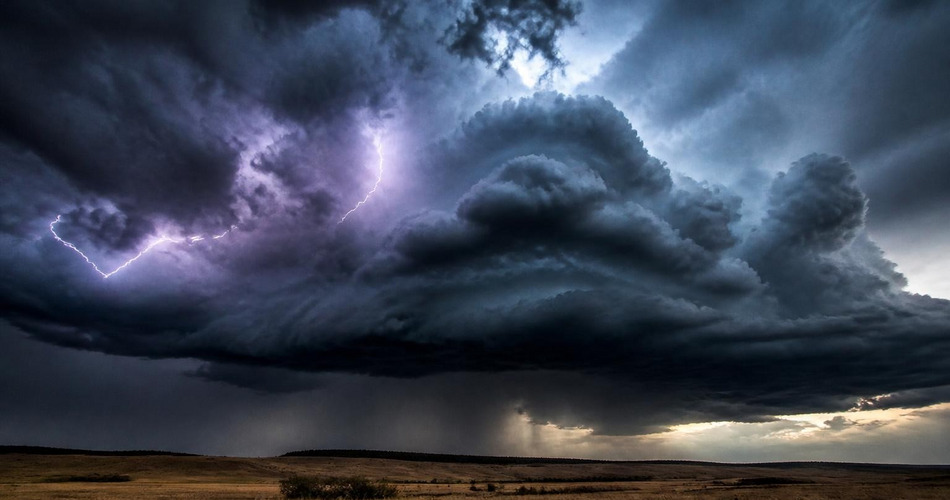
The storm cloud is a powerful natural symbol representing impending change, upheaval, and the raw, untamed forces of nature. It embodies a profound duality, acting as both a herald of destruction and a bringer of life-giving rain and renewal. Across cultures and throughout history, it has been a potent emblem of divine power, emotional intensity, and the unpredictable, transformative periods in life.
What Does Storm Cloud Symbolize?
At its core, the storm cloud symbolizes impending change and the tension that precedes a major event. It represents the gathering of forces, whether in nature, society, or the individual psyche. As a symbol, it warns of danger and conflict but also promises the cleansing and clarity that often follow a crisis. The storm cloud is also deeply associated with emotional states, particularly intense feelings like anger, grief, or anxiety that have built up to a breaking point. In a broader sense, it signifies the power of nature and the sublime, reminding humanity of its vulnerability in the face of greater cosmic forces.
Positive and Negative Meanings of Storm Clouds
Positive associations: The storm cloud is a symbol of renewal and life-giving force. The rain it carries nourishes the earth, making it essential for agriculture and the survival of ecosystems. It clears the air, washes away stagnation, and represents a necessary catharsis. The dramatic beauty of a storm sky has also been celebrated as a sublime spectacle of nature’s power.
Negative meanings: The most immediate association of the storm cloud is with danger and destruction. It heralds violent weather, including lightning, hail, tornadoes, and floods that can cause widespread devastation. Symbolically, it represents gloom, depression, and overwhelming emotional turmoil. A ‘storm cloud’ hanging over someone’s head is a universal metaphor for imminent trouble or bad news.
History and Origins of Storm Cloud Symbolism
The symbolic interpretation of storm clouds dates back to humanity’s earliest observations of the natural world. For ancient agrarian societies, the arrival of storm clouds was a matter of life and death, bringing the rain necessary for crops but also the threat of destructive storms. This dual nature established the storm cloud as a primary symbol of the cycle of death and rebirth in nature.
In many early belief systems, storm clouds were seen as the physical manifestation of powerful deities. The ancient Greeks believed Zeus gathered his storm clouds on Mount Olympus, while in Norse mythology, Thor’s chariot across the sky produced thunder and lightning. This connection to the divine gave storm clouds a sacred, awe-inspiring quality. During the Romantic era of the 18th and 19th centuries, artists and poets like J.M.W. Turner and Lord Byron elevated the storm cloud into a central symbol of the sublime, representing the overwhelming and terrifying beauty of nature that could inspire profound emotional and spiritual experiences.
Storm Cloud Symbolism in Different Cultures
In Norse mythology, storm clouds were directly linked to Thor, the god of thunder, whose chariot wheels created the rumbling sound of thunder. The clouds were seen as a sign of his presence and power. In Hinduism, the god Indra is the king of the gods and the deity of storms and rain. His control over storm clouds symbolized his authority over the life-giving monsoon, making him one of the most important gods in the Vedic pantheon.
In Chinese mythology, dragons were believed to control the weather, and storm clouds were often depicted alongside them, representing imperial power, wisdom, and the natural forces of yang energy. In the Abrahamic traditions, storm clouds frequently appear as a symbol of divine presence and revelation. The Bible describes God leading the Israelites as a cloud by day and a pillar of fire by night, and Moses receiving the Ten Commandments amidst thunder and lightning on Mount Sinai. This associates the storm cloud not just with wrath, but with the inscrutable and awe-inspiring nature of the divine.
Spiritual Meaning of Storm Clouds
In a spiritual context, the storm cloud often represents a period of intense testing or the ‘dark night of the soul’, a term used by the mystic St. John of the Cross to describe a spiritual crisis on the path to union with God. It symbolizes the necessary darkness that precedes spiritual breakthrough and enlightenment. The storm cloud can also represent the presence of the divine in its most powerful and untamed form, a theophany that commands respect and humility. For many, encountering a storm cloud spiritually signifies a time to release pent-up emotions and allow for a process of purification and renewal, trusting that clarity will follow the turmoil.
Storm Clouds in Myths and Folklore
Storm clouds are central to the mythology of thunder gods across the world. In Greek mythology, Zeus wielded the thunderbolt and gathered storm clouds (nephelai) as his chariot. In Norse lore, Thor’s battle with the giants often stirred up great storms. Native American traditions feature the Thunderbird, a giant bird whose wings created thunder and whose eyes flashed lightning, with storm clouds being its feathers or the flapping of its wings.
In Japanese mythology, the god Raijin is a demonic god of thunder and lightning, often depicted beating drums to create thunder, surrounded by storm clouds. African mythologies, such as the Yoruba people, feature the god Shango, who is associated with thunder and storms, representing the kingly power and justice of the divine. These myths universally portray the storm cloud as a tool or manifestation of a powerful, often temperamental, deity.
Storm Clouds in Dreams
Dreaming of storm clouds is a potent symbol of the dreamer’s emotional state and subconscious mind. The specific nature of the cloud and the dreamer’s interaction with it provide key insights. A dark, approaching storm cloud often symbolizes unresolved conflict, anxiety, or a looming challenge that the dreamer feels unable to avoid. It can represent suppressed anger or grief that is building to a breaking point. Conversely, a storm cloud that passes without incident might signify a period of worry that was ultimately unfounded, or the successful navigation of a difficult situation. The dream may be prompting the dreamer to confront their fears or prepare for a significant life transition.
Common Dream Scenarios
- Watching storm clouds from a distance: This can represent a sense of detachment or safety regarding a problem, or it might indicate that the dreamer is aware of an issue but not yet directly affected by it.
- Being caught in a storm cloud: This often symbolizes being overwhelmed by emotions or circumstances. It can represent a state of confusion, depression, or intense personal turmoil.
- A single storm cloud in a clear sky: This is a powerful symbol of an isolated problem or a specific worry that is overshadowing an otherwise positive period in the dreamer’s life.
- Storm clouds producing lightning: This signifies sudden realization, inspiration, or a dramatic and potentially dangerous confrontation. The lightning can be a flash of truth or a destructive force.
Storm Clouds in Superstitions and Omens
Throughout history, storm clouds have been viewed as powerful omens. In many farming communities, the first storm clouds of the season were seen as a sign of fertility and abundance for the coming year. However, a storm cloud appearing at an unusual time, such as on a wedding day, was often considered a bad omen, foreshadowing difficulties in the marriage. Certain cloud formations, like the ominous mammatus clouds that often precede severe thunderstorms, were historically seen as direct signs from the gods of impending doom. The common English proverb ‘every cloud has a silver lining’ encapsulates the enduring superstition that even the most negative events carry a hidden promise of hope and renewal.
Storm Clouds in Art and Literature
The storm cloud is a recurring motif in art and literature, used to create atmosphere, symbolize conflict, and explore the sublime.
- Literature: William Shakespeare’s King Lear masterfully uses a storm on the heath to mirror the king’s descent into madness and the chaos of the kingdom. Emily Brontë’s Wuthering Heights is steeped in the symbolism of storms sweeping across the moors, reflecting the wild, untamable passions of Heathcliff and Catherine. Emily Dickinson’s poem ‘The sky is low, the clouds are deep’ uses the image of oppressive storm clouds to evoke a feeling of confinement and melancholy.
- Art: J.M.W. Turner was a master of painting storm clouds, as seen in works like Rain, Steam and Speed – The Great Western Railway and The Slave Ship, where the turbulent sky dominates the composition, symbolizing the sublime power of nature. Katsushika Hokusai’s iconic The Great Wave off Kanagawa features storm clouds in the background, adding to the dramatic tension and the overwhelming power of the natural world.
- Film: The ominous, swirling storm clouds over Mordor in Peter Jackson’s The Lord of the Rings trilogy perfectly symbolize the growing evil and impending war that threatens Middle-earth. The film The Perfect Storm centers entirely on the terrifying power of a real-life storm cloud system, using it as a symbol of nature’s ultimate and indifferent power over human life.
Storm Cloud Tattoo Meaning
A storm cloud tattoo is a powerful and versatile design that often symbolizes overcoming adversity. It represents a person who has weathered significant challenges and emerged stronger. It can also signify a deep connection to nature, an acknowledgment of one’s own inner turmoil or ‘dark side,’ or a specific life-changing event. Storm cloud tattoos are frequently combined with other elements like lightning (for sudden insight or power), rain (for cleansing or sorrow), or birds (for freedom and hope amidst the storm). The design can range from realistic and dramatic to minimalist and symbolic.
Meanings of Different Types of Storm Clouds
The specific type of storm cloud can carry its own nuanced symbolism.
- Cumulonimbus: The classic towering thunderhead, this cloud symbolizes raw power, ambition, and the potential for explosive change. Its vertical development represents the ascent of energy and the confrontation between earth and sky.
- Nimbostratus: These dark, flat, and uniform clouds bring persistent, steady rain. They symbolize gloom, depression, and a prolonged period of difficulty without dramatic highs or lows.
- Mammatus: With their distinctive pouch-like shapes hanging beneath the cloud base, mammatus clouds are often seen as the most ominous. They symbolize strangeness, impending doom, or a deceptive calm before a violent storm.
- Color Symbolism: The color of a storm cloud is highly significant. Dark grey or black clouds represent fear, death, and depression. A greenish tint to a storm cloud is often associated with severe weather like tornadoes, symbolizing sickness and extreme danger. The ‘silver lining’ of a cloud is a universal symbol of hope and the promise of better times.
Frequently Asked Questions
Q: What does a storm cloud symbolize?
A: A storm cloud primarily symbolizes impending change, emotional turmoil, danger, and the raw power of nature. It represents a duality of destruction and renewal, often acting as a herald of both crisis and the cleansing that follows.
Q: Are storm clouds always a negative symbol?
A: No, while storm clouds are often associated with negative concepts like danger and gloom, they also have strong positive associations. They are symbols of life-giving rain, necessary catharsis, renewal, and the sublime beauty of nature’s power.
Q: What does it mean to see a storm cloud in a dream?
A: In dreams, a storm cloud often represents unresolved conflict, anxiety, or a looming challenge in the dreamer’s life. It can symbolize suppressed emotions like anger or grief that are building up. The dreamer’s interaction with the cloud provides further insight into their feelings about the situation.
Q: What is the spiritual meaning of a storm cloud?
A: Spiritually, a storm cloud can represent a period of testing or a ‘dark night of the soul.’ It symbolizes the necessary darkness that precedes spiritual breakthrough and enlightenment, as well as the powerful, untamed presence of the divine.
Related Symbols
- Lightning: The sudden flash of insight or destruction that accompanies the storm cloud.
- Thunder: The sound of divine power and authority that follows the cloud.
- Rain: The life-giving and cleansing aspect of the storm cloud.
- Rainbow: The promise of hope and renewal that follows the storm.
- Tornado: An extreme and focused manifestation of the storm cloud’s destructive potential.
- Fog: A different kind of atmospheric symbol, representing confusion and the unknown rather than impending action.