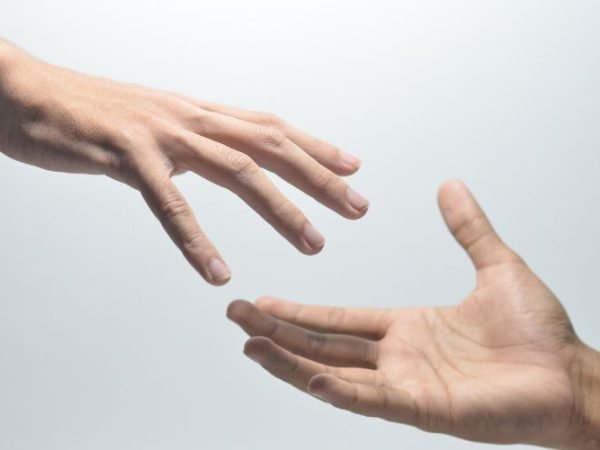
Briefly
The ring finger, typically the fourth finger on the hand, carries deep symbolic weight across cultures, primarily representing love, commitment, and partnership. It is most famously associated with engagement and wedding rings, signifying a bond that is intended to be eternal. Beyond romantic love, the ring finger can also symbolize authority, status, and spiritual connection in various traditions. Its meaning is shaped by both anatomical beliefs, such as the ancient idea of a vein directly connecting to the heart, and by cultural customs that designate it as the finger for important rings.
What Does the Ring Finger Symbolize?
The ring finger is universally recognized as a symbol of commitment and marital union. Wearing a ring on this finger signifies that a person is married or engaged, a custom so widespread that it transcends individual cultures. This symbolism is rooted in the finger’s perceived connection to the heart, making it the natural place for a token of love. Additionally, in some contexts, the ring finger can represent authority and social status, as signet rings and other official rings have historically been worn on this finger to seal documents and assert identity.
Positive and Negative Meanings
Positive associations: The ring finger is overwhelmingly associated with positive concepts: eternal love, fidelity, partnership, and unity. It represents a public declaration of a private bond, often celebrated through rituals like weddings and engagements. The finger itself is seen as a vessel for carrying symbols of deep emotional and social commitment.
Negative meanings: In a negative light, the ring finger can be a reminder of broken commitments, divorce, or the loss of a partner. An empty ring finger on someone who was once married may symbolize grief, loneliness, or the end of a significant relationship. It can also represent societal pressure to conform to traditional relationship milestones.
History and Origins of the Ring Finger Symbolism
The tradition of placing a ring on the fourth finger dates back to ancient times. The Romans believed that a specific vein, the vena amoris or “vein of love,” ran directly from this finger to the heart. This anatomical belief, though later disproven, solidified the ring finger as the ideal location for a wedding ring, a custom that has persisted for over two millennia. In medieval Europe, the practice continued, and the ring finger became the standard for betrothal and marriage rings in Christian ceremonies, symbolizing the couple’s union under God.
Ring Finger Symbolism in Different Cultures
While the ring finger is most commonly associated with marriage in Western cultures, its symbolism varies around the world. In many Eastern European and Latin American countries, the wedding ring is worn on the right hand’s ring finger, not the left. This difference often stems from religious traditions, such as in Eastern Orthodox Christianity, where the right hand is considered the hand of blessing and oath-taking. In India, the ring finger is also used for wedding rings, but the specific hand can vary by region and community. The Claddagh ring, an Irish symbol of friendship, love, and loyalty, is worn on the left ring finger with the heart pointing outward to indicate the wearer is single, and inward to show they are in a relationship. In Māori tradition, the ring finger is called Mānawa, a name that connects it to the concept of life or breath, giving it a deeper spiritual resonance.
Spiritual Meaning of the Ring Finger
Spiritually, the ring finger is often linked to the heart chakra in Hindu and yogic traditions, as it is believed to channel energy related to love, compassion, and emotional connection. The act of placing a ring on this finger is seen as a way to seal a spiritual vow or commitment, not just a legal one. In some esoteric practices, the ring finger is associated with the element of water, representing emotions, intuition, and the flow of relationships. Wearing a ring on this finger can be a personal reminder of one’s spiritual path or a connection to a higher power.
Ring Finger in Myths and Folklore
Folklore surrounding the ring finger is rich with beliefs about its unique properties. The ancient Greek and Roman myth of the vena amoris is the most enduring, suggesting a direct line to the heart. In some European folk traditions, it was believed that touching the ring finger could heal certain ailments or that a ring worn on this finger could ward off evil spirits. The Claddagh ring itself is steeped in Irish folklore, with legends of a fisherman who created the first such ring as a symbol of his enduring love. These stories reinforce the finger’s role as a powerful symbol of connection and protection.
Ring Finger in Superstitions and Omens
- Losing a wedding ring: In many cultures, losing a wedding ring is considered a bad omen, potentially foreshadowing a rift in the marriage or a period of hardship.
- Itching ring finger: An old superstition holds that an itchy ring finger means the wearer will soon come into money or receive a valuable gift.
- Wearing a ring on the wrong hand: Some traditions warn that wearing a wedding ring on the wrong hand could invite bad luck or confuse the finger’s intended symbolism.
- Giving a ring as a gift: In some folklore, a ring given as a gift should never be removed by the recipient, as doing so could break the bond it represents.
Ring Finger in Art and Literature
The ring finger appears prominently in art and literature as a marker of romantic commitment. In Shakespeare’s play The Merchant of Venice, the ring given by Portia to Bassanio is a central plot device, and its placement on the ring finger symbolizes their marriage bond. In the novel The Great Gatsby by F. Scott Fitzgerald, Daisy Buchanan’s ring finger, adorned with a costly pearl necklace given by Tom, represents her entrapment in a loveless marriage. In visual art, wedding rings on the ring finger are a common detail in portraits of married couples, such as in Jan van Eyck’s The Arnolfini Portrait, where the joined hands and ring prominently symbolize the couple’s union.
Frequently Asked Questions About the Ring Finger
Q: Why is the ring finger called the ring finger?
A: The name comes directly from its long-standing use as the finger on which rings, especially wedding and engagement rings, are worn. This tradition dates back to ancient Rome.
Q: Is the ring finger the same in all cultures?
A: While the ring finger is commonly the fourth finger, the hand it is worn on varies. In many Western countries, it is the left hand, while in parts of Eastern Europe and South America, the right hand is used.
Q: Can the ring finger symbolize anything other than marriage?
A: Yes, it can also symbolize authority, as with signet rings, or personal commitment, such as promise rings. In some spiritual traditions, it represents a connection to the heart chakra.
Related Symbols
- Wedding Ring – The most common object worn on the ring finger, symbolizing marriage.
- Engagement Ring – A ring placed on the ring finger to signify a promise of marriage.
- Claddagh Ring – An Irish ring worn on the ring finger to represent friendship, love, and loyalty.
- Signet Ring – Often worn on the ring finger, symbolizing authority and identity.
- Promise Ring – A ring worn on the ring finger to represent a personal commitment.