Briefly
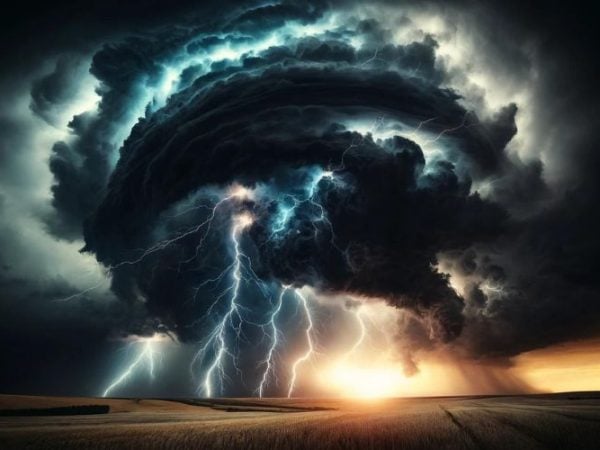
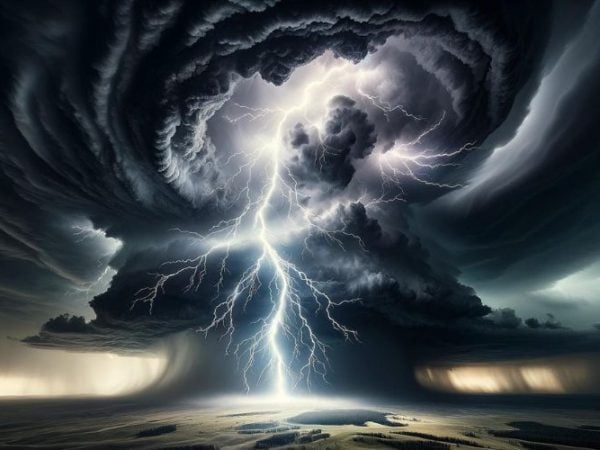
A windstorm is a powerful natural phenomenon characterized by violent winds that can reshape landscapes and disrupt human life. Symbolically, it often represents upheaval, change, and the uncontrollable forces of nature. Windstorms can signify both destruction and the potential for renewal, clearing away the old to make way for the new. Across cultures, they are associated with divine power, chaos, and the raw energy of transformation.
What Does Windstorm Symbolize?
Windstorms symbolize upheaval and the sudden, often violent, disruption of normalcy. They represent forces beyond human control, reminding us of nature’s immense power and our own vulnerability. The wind itself is invisible yet its effects are undeniable, making the windstorm a potent symbol of unseen but powerful influences in life.
At its core, a windstorm embodies transformation. Just as a storm can tear down structures and uproot trees, it can also clear away stagnation and create space for new growth. This duality makes the windstorm a complex symbol of both destruction and renewal, chaos and creation.
In many traditions, windstorms are seen as messengers or agents of the divine. They can signify a shift in spiritual energy, a call to attention, or a moment of profound change. The howling wind and driving rain can represent emotional turmoil, inner conflict, or the release of pent-up feelings.
Positive and Negative Meanings
Positive associations: Windstorms can symbolize cleansing and renewal. The violent winds sweep away debris, purify the air, and can end periods of drought or stagnation. In this sense, a windstorm represents a necessary clearing, making way for fresh starts and new beginnings. It can also signify the release of built-up tension, both in nature and within the human psyche.
Negative meanings: On the negative side, windstorms represent destruction, chaos, and loss. They can cause widespread damage to homes, infrastructure, and natural habitats, leading to displacement and suffering. Symbolically, a windstorm may reflect uncontrollable anger, emotional upheaval, or a crisis that threatens stability and safety. It embodies the fear of forces that cannot be tamed or predicted.
History and Origins of the Symbolism
The symbolism of windstorms is deeply rooted in ancient mythology and language. The word “aegis,” famously associated with the shield of Zeus and Athena in Greek mythology, has origins that include the meaning “violent windstorm.” This connection highlights how ancient Greeks linked divine protection with the raw power of storms, suggesting that the aegis could both unleash and ward off such forces.
In Mesoamerican cultures, the god Huracan (or Hurakan) was a central deity associated with wind, storms, and fire. The name itself is believed to be the origin of the word “hurricane.” Huracan was a creator god who helped shape the world but also brought destruction through storms. This dual role reflects the windstorm’s symbolic power to both create and destroy, a theme found in many creation myths where chaos precedes order.
Linguistic traces of windstorm symbolism appear across languages. The Greek verb “aïssō,” meaning “to rush or move violently,” is linked to the concept of a windstorm, emphasizing the sudden and forceful nature of these events. Such etymological roots show how ancient peoples conceptualized windstorms as active, almost sentient forces of change.
Symbolism in Different Cultures
In Greek mythology, windstorms were often personified as the Anemoi, the wind gods, each associated with a cardinal direction and specific qualities. Boreas, the north wind, brought cold and violent storms, while Notus, the south wind, was linked to warm, destructive winds. These deities were both feared and respected, embodying the unpredictable nature of windstorms.
In Norse mythology, the god Odin was sometimes associated with storms and wild winds, particularly as the leader of the Wild Hunt, a ghostly procession that rode through the sky during storms. This connection reinforced the windstorm as a symbol of supernatural power and the boundary between the living and the dead.
In Native American traditions, windstorms were often seen as powerful spirits or manifestations of the Great Spirit. The wind could be a messenger or a force of purification. Among the Navajo, for example, wind is considered a source of life and communication, but violent storms could also represent disorder or imbalance that needed to be addressed through ceremonies.
In Chinese culture, windstorms are part of the natural cycle of yin and yang, representing the dynamic interplay of opposing forces. While destructive, they are also seen as necessary for balance, clearing away the old to allow for renewal. The dragon, a symbol of power and yang energy, is often associated with storms and wind.
Spiritual Meaning
Spiritually, a windstorm can represent a catalyst for change. It may appear in meditation or symbolic experiences as a sign that a period of upheaval is necessary for spiritual growth. The storm’s intensity can mirror the inner turmoil that precedes a breakthrough or a shift in consciousness.
Windstorms are also seen as purifying forces in many spiritual traditions. The wind sweeps away negative energy, clears the air, and creates a blank slate. This makes the windstorm a symbol of spiritual cleansing, often associated with rituals that involve wind or breath, such as smudging or prayer carried on the wind.
In some beliefs, a windstorm can be a sign of divine presence or communication. The Hebrew Bible, for instance, describes God speaking to Job from a whirlwind, emphasizing the awe-inspiring and mysterious nature of the divine. The windstorm thus becomes a symbol of the sacred, the uncontrollable, and the transcendent.
In Myths and Folklore
Windstorms feature prominently in myths and folklore worldwide, often as the actions of gods or supernatural beings. The most direct example is the Mesoamerican god Huracan, whose name has become synonymous with the most powerful windstorms. In Kʼiche Maya mythology, Huracan was a creator deity who helped form the world but also used storms to destroy the first imperfect humans, highlighting the windstorm’s role as both a creative and destructive force.
In Greek myth, the storm-winds were imprisoned by Aeolus, the keeper of the winds, who could release them at the command of the gods. This story reflects the idea that windstorms are controlled by higher powers and can be unleashed as punishment or as a test for heroes like Odysseus.
In European folklore, windstorms were sometimes attributed to witches or demons who could summon storms to cause harm. This belief led to practices like ringing church bells to ward off storms, a tradition that persisted into the early modern period. Such folklore underscores the windstorm’s association with malevolent forces and the need for protection.
In Dreams
Dreaming of a windstorm often symbolizes emotional upheaval or a sense of being overwhelmed by circumstances. The intensity of the storm in the dream can reflect the dreamer’s inner state, with strong winds representing uncontrollable emotions or external pressures. A windstorm in a dream may indicate that the dreamer is facing a period of chaos or significant change.
Such dreams can also signify a need for release. Just as a storm clears the air, dreaming of a windstorm might suggest that the dreamer needs to let go of pent-up feelings or old patterns. The aftermath of the storm, whether calm or destruction, can provide clues about the dreamer’s readiness for renewal.
Common Dream Scenarios
- Being caught in a windstorm: This often represents feeling powerless or overwhelmed by events in waking life. It may indicate a lack of control over one’s circumstances.
- Watching a windstorm from a safe place: This can symbolize observing turmoil from a distance, suggesting the dreamer is aware of upheaval but not directly affected, or is emotionally detached.
- Surviving a windstorm: A positive sign of resilience and the ability to weather difficult times. It may indicate that the dreamer has the strength to overcome challenges.
- A windstorm destroying property: This may reflect fears of loss or instability in one’s life, such as financial trouble, relationship issues, or a major life change.
- Calm after the windstorm: Represents peace, resolution, and the promise of a fresh start after a period of chaos.
In Superstitions and Omens
Throughout history, windstorms have been interpreted as omens of change or disaster. In many cultures, an unusually strong or early windstorm was seen as a warning from the gods or nature itself. For instance, in medieval Europe, a sudden windstorm might be interpreted as a sign of impending war, plague, or the death of a ruler.
Some superstitions hold that windstorms can carry away evil spirits or negative energy, especially if they occur during certain times of the year, such as around the equinoxes. Conversely, a windstorm that damages a home or crops could be seen as a curse or punishment for wrongdoing.
In maritime folklore, windstorms were often associated with supernatural beings like the Flying Dutchman or storm spirits. Sailors might perform rituals or offer prayers to appease these forces and avoid the worst of the storm. These beliefs reflect the deep-seated human need to find meaning in natural disasters and to seek protection from the unknown.
In Art and Literature
Windstorms have been a powerful motif in art and literature, often used to symbolize emotional turmoil, divine intervention, or the sublime power of nature. In William Shakespeare’s play The Tempest, the titular storm is conjured by the magician Prospero to shipwreck his enemies, setting the stage for themes of revenge, forgiveness, and transformation. The storm is both a literal event and a symbol of the chaos that precedes resolution.
In visual art, the windstorm is famously depicted in The Storm on the Sea of Galilee by Rembrandt, which shows a violent storm threatening a boat carrying Jesus and his disciples. The painting captures the fear and awe of the storm, while also symbolizing faith and divine protection in the face of chaos.
In literature, Emily Brontë’s Wuthering Heights uses the wild, stormy moors as a backdrop that mirrors the passionate and destructive relationship between Heathcliff and Catherine. The windstorm becomes a symbol of untamed emotion and the forces that both bind and tear apart the characters.
In film, the 2014 movie Into the Storm uses tornadoes as a central metaphor for the unpredictability of life and the human struggle against overwhelming odds. The windstorm here represents both physical danger and the emotional storms that characters must navigate.
Tattoo Meaning
A windstorm tattoo can symbolize resilience, the ability to withstand life’s challenges, or a personal transformation that followed a period of upheaval. The swirling winds and dynamic shapes of a storm make for a visually striking design that can represent the wearer’s inner strength or a significant turning point in their life.
Such tattoos may also reflect a connection to nature and its raw power, or a belief in the cleansing and renewing aspects of storms. The windstorm can be a reminder that even in chaos, there is beauty and the potential for growth.
Frequently Asked Questions
Q: What does a windstorm symbolize in dreams?
A: In dreams, a windstorm often symbolizes emotional upheaval, overwhelming circumstances, or a period of significant change. It can represent feelings of being out of control or the need for release and renewal.
Q: Is a windstorm a positive or negative symbol?
A: A windstorm is a dual symbol, representing both destruction and renewal. It can signify cleansing, transformation, and the clearing away of the old, but also chaos, loss, and uncontrollable forces.
Q: What is the origin of the word “hurricane”?
A: The word “hurricane” is derived from the name of the Mesoamerican god Huracan, who was associated with wind, storms, and creation. This linguistic connection highlights the deep mythological roots of windstorm symbolism.
Q: How is a windstorm used in literature?
A: In literature, windstorms are often used as symbols of emotional turmoil, divine intervention, or transformative change. Examples include Shakespeare’s The Tempest and Emily Brontë’s Wuthering Heights.
Related Symbols
- Hurricane – A more specific and intense type of windstorm, often associated with the god Huracan and representing overwhelming natural power.
- Tornado – A violently rotating column of air, symbolizing sudden, focused destruction and the unpredictable nature of chaos.
- Wind – The broader element of moving air, representing change, communication, and the invisible forces that shape life.
- Storm – A general term for severe weather, including wind, rain, and thunder, often symbolizing conflict, purification, or divine power.
- Thunderbolt – A symbol of sudden divine power and judgment, often associated with storm gods like Zeus or Thor.