Briefly
Flight is a versatile symbol that commonly stands for freedom, escape, aspiration and the capacity to move between different levels of experience. Depending on context it can signal liberation and transcendence, technical mastery and progress, or hubris and loss of control. Birds, winged figures, airplanes and literal or dreamt acts of flying each bring different associations. Reading flight symbolically requires attention to the actor, direction, and manner of flight: rising, hovering, effortless gliding, or falling all change the meaning.
What Does Flight Symbolize?
At its most basic, flight symbolizes movement beyond ordinary limits. This includes physical transcendence (leaving the ground), psychological elevation (gaining perspective), and social mobility (escaping constraints). Because the sky is often associated with the vast, the unknown and the divine, flight carries connotations of access to higher realms—intellectual, spiritual or emotional.
Flight also functions as a metaphor for aspiration and ambition. To “take flight” can mean to begin a new project, pursue a dream, or break free from restrictive circumstances. Conversely, flight can literally mean fleeing—escaping danger or responsibility—so the same image can imply both courageous liberation and avoidance.
Positive and Negative Meanings of Flight
Positive meanings of flight include freedom, creativity, release, mastery and expansion. Flying often represents the ability to rise above problems, to view situations from a broader perspective, and to explore new possibilities. In technical or industrial contexts, flight symbolizes human achievement—engineering, discovery and progress.
Negative dimensions arise when flight denotes escape from duty, instability, or reckless ambition. Classical warnings about “flying too close to the sun” capture the danger of overreaching. Flight can also signal disconnection: a person who metaphorically or literally “takes flight” may abandon relationships or responsibilities, suggesting avoidance rather than healthy growth.
History and Origins of Flight Symbolism
The symbolic uses of flight trace to early human attempts to explain and imagine movement through the air. Observing birds inspired ideas about freedom and the possibility of transcending terrestrial limits. As cultures developed, myths about human flight—realized or attempted—became a way to test the boundary between human aspiration and natural law.
With technological flight beginning in the 18th–20th centuries, airplanes and balloons added layers to the symbol: modernity, national power, and the mastery of nature. These developments expanded flight’s meanings to include both optimism about human ingenuity and anxieties about speed, warfare and disconnection from the earth.
Flight Symbolism in Different Cultures
Different cultures emphasize varied aspects of flight. In many indigenous traditions, birds and their flights are linked to omens, clan identities, or messengers between worlds; the specific bird species shapes the interpretation. In Western classical tradition, myths such as the Greek story of Daedalus and Icarus dramatize the tension between innovation and hubris.
In East Asian art and literature, birds in flight—like cranes—often symbolize longevity, virtue or transcendence. Islamic and Persian poetic traditions use the image of the soul’s flight to describe mystical ascent. In modern global culture, images of flight are harnessed for advertising and nation-branding, where planes and soaring figures connote ambition, speed and international reach.
Spiritual Meaning of Flight
Spiritually, flight commonly represents transcendence, the soul’s ascent, or liberation from earthly attachments. Mystical literature across traditions uses flight to describe stages of spiritual progress—the believer or mystic moves from ordinary perception toward unity or enlightenment.
At the same time, spiritual readings are nuanced: flight can be an inner liberation achieved through practice, or it can be a perilous, ego-driven rush toward experiences that bypass ethical grounding. Context—whether the text or practice presents flight as disciplined ascent or reckless fleeing—shapes the spiritual message.
Flight in Myths and Folklore
Flight is central to many myths. The Greek myth of Daedalus and Icarus is a paradigmatic example: Icarus’s flight represents youthful exuberance and the consequences of ignoring limits. Angelic flight in Abrahamic traditions signals divine agency and messenger roles, marking a creature as intermediary between heaven and earth.
Folk tales often use flights—of birds, spirits, or enchanted people—to signal transformation, escape, or the crossing of boundaries. The mechanics of flight in these stories (how it is achieved, whether aided by magic or craft) often determine whether the motif highlights moral, supernatural or psychological themes.
Flight in Dreams
Dreams of flight are among the most commonly reported dream motifs. They can be experienced as exhilarating—gliding free above landscapes—or as anxious, where the dreamer struggles to stay aloft or fears falling. Psychological interpretations treat flight dreams as expressions of autonomy, desire for escape, empowerment, or issues of control.
Practically, dream analysts note that the dreamer’s emotions and the flight’s quality are central to interpretation: peaceful, effortless flying usually aligns with feelings of competence and freedom, while panic or loss of control suggests anxiety or a fragile sense of agency.
Common Dream Scenarios Involving Flight
Typical scenarios include: effortless soaring (often linked to liberation or creative exhilaration); flapping with difficulty or being weighed down (suggesting impediments to goals); falling after flying (a fear of failure or consequences of overreach); and being unable to take off (feelings of stagnation).
Another frequent motif is flying with others—this can indicate shared goals, social support, or, if separated, feelings of isolation. Dreams where flight is mediated by objects (wings, machines) often point to reliance on tools, relationships or beliefs to achieve freedom.
Flight in Art and Literature
Flight has a long presence in art and literature as both literal event and metaphor. The Greek myth of Icarus appears in Ovid’s Metamorphoses and inspired Pieter Bruegel the Elder’s painting “Landscape with the Fall of Icarus,” where Icarus’s fall is a striking counterpoint to ordinary life in the foreground. The story functions as a caution about hubris and perspective.
In literature, J. M. Barrie’s Peter Pan uses flight to signify eternal youth and imaginative freedom. Richard Bach’s novella “Jonathan Livingston Seagull” explicitly makes flight a spiritual and ethical discipline: the seagull’s mastery of flight becomes an allegory for perfection and individuality. Percy Bysshe Shelley’s poem “To a Skylark” treats the skylark’s flight as emblematic of poetic inspiration and transcendence.
Film examples include Wim Wenders’s “Wings of Desire,” where angelic flight frames themes of empathy and human longing, and numerous movies that use aerial sequences to depict liberation, danger or mastery. Contemporary visual artists also use aerial perspectives and bird motifs to explore scale, isolation and environmental themes.
Flight Tattoo Meaning
Tattoos that reference flight—wings, birds in motion, airplanes—often express personal themes of freedom, survival, spiritual aspiration or memory of travel. A single wing may symbolize protection or a lost partner, while a flock of birds suggests community, migration, or collective resilience. Airplane tattoos commonly mark wanderlust or significant journeys.
Design choices—realistic vs. stylized, small vs. expansive placement—alter nuance. For many people a flight-themed tattoo is a personal statement about a transition: leaving a difficult period, honoring independence, or commemorating a life change.
Meanings of Different Types, Colors, or Variations of Flight
Different flight agents and directions shift the symbol. Bird flight emphasizes natural freedom and instinct; angelic or winged human figures foreground the sacred or intermediary role; mechanical flight (planes, rockets) highlights human ingenuity or national aspirations. Rising flight implies growth; hovering suggests pause or contemplation; falling reveals failure or loss.
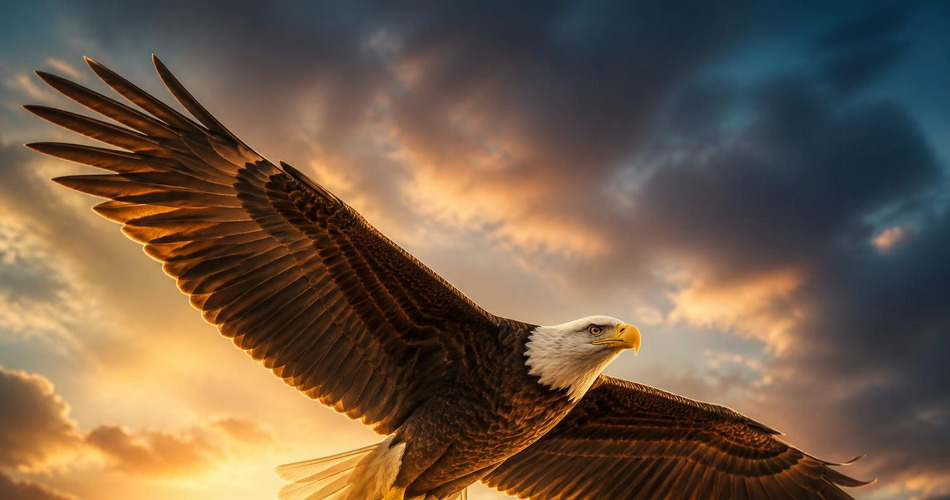
Color can also contribute. Bright, warm skies and golden light typically read as hopeful or transcendent; dark, stormy atmospheres tend toward danger, unpredictability or foreboding. A solitary bird against a vast sky accentuates isolation or singularity, while flocks connote migration, safety in numbers, or social movement.
Frequently Asked Questions About Flight
Q: Does flight always mean freedom?
A: Not always. While flight often signifies freedom, context matters—flight can also mean escape, avoidance or reckless ambition.
Q: Are flying dreams always positive?
A: No. The emotional tone and control experienced in the dream determine whether the dream reads as empowerment or anxiety.
Q: How does the type of flier change meaning?
A: Yes. Birds emphasize natural freedom, winged humans hint at spiritual themes, and machines point to technology and social progress; each frames the symbolic message differently.
Related Symbols
Symbols closely associated with flight include wings, birds (specific species like eagles or doves), the sky, wind, ladders or stairs (vertical movement), and the sun (as a destination or danger in some myths). These related images often appear together and refine the overall meaning of flight in a given context.