
Briefly
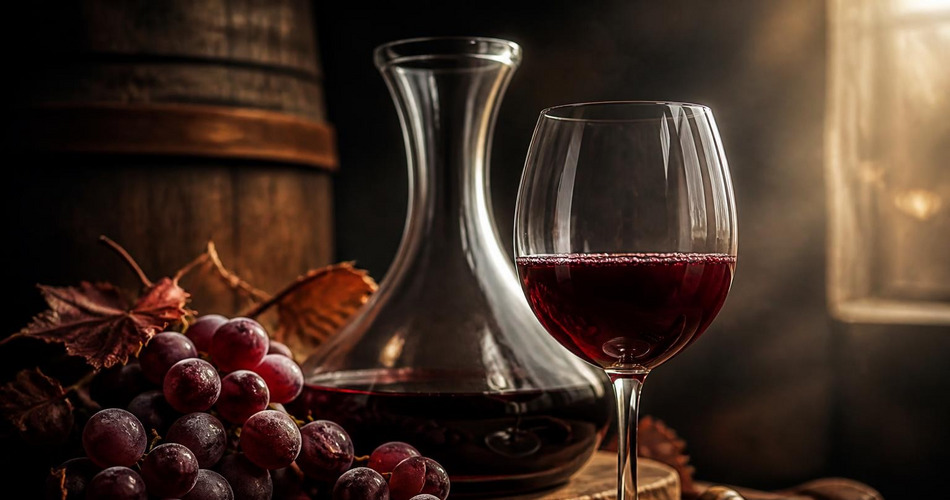
Wine is a compact cultural symbol that commonly represents celebration, transformation and social connection while also carrying associations with excess, loss and moral ambiguity. Across history it has been used in ritual contexts, artistic metaphors and everyday hospitality; its physical qualities — color, age, sweetness — extend into symbolic meanings such as vitality, purity or decay. Because wine itself changes over time, it is frequently read as a symbol of maturation, memory and the passage of years. Context matters: the same glass of wine can signal communion or corruption depending on the setting.
What Does Wine Symbolize?
Communion is one of the clearest symbolic roles for wine: it stands for shared life, intimacy and the bonds created by communal drinking. In religious and secular gatherings alike, wine marks moments when people join together, whether at a sacrament, a wedding toast or a family meal.
Transformation is another central theme. Grapes become a fermented beverage; simple fruit becomes aged, complex wine. That chemical and temporal transformation invites symbolic readings about change, aging, refinement and the alchemy of human experience.
Ambiguity also attaches to wine: it can be a sign of abundance and joy or of excess and moral decline. Because alcohol alters perception, wine often appears in symbolic language about losing control, temptation and the thin line between pleasure and harm.
Positive and Negative Meanings of Wine
Positive associations: Wine often represents celebration, hospitality and artistic refinement. It stands for joyous rites (toasts, weddings), sacred sharing (religious communion), and cultivated taste — the appreciation of subtlety that comes with vintages, terroir and careful production.
Negative meanings: Wine can symbolize overindulgence, addiction and social decay. In literature and moral discourse it frequently signals the risks of excess: impaired judgment, fallen status or destructive behavior that follows repeated intoxication.
History and Origins of Wine Symbolism
Antiquity established many of the symbolic uses of wine. In the ancient Mediterranean and Near Eastern worlds wine appears in ritual contexts, feasting and the literature of gods and kings; those early uses laid the groundwork for later religious and social meanings.
Religious practice shaped symbolism further. In Christianity, for example, wine took on sacramental significance as part of the Eucharist, where it represents Christ’s blood in established liturgy — a role that transformed a common beverage into a central theological sign. That sacred use influenced how artists, writers and communities treated wine as a powerful emblem of sacrifice and grace.
Symbolism in Different Cultures of Wine
Mediterranean cultures have long linked wine to fertility, celebration and the divine. Greek and Roman festivals and cults around the god of wine emphasized ecstasy, communal bonding and the subversion of ordinary social constraints during ritual time.
European traditions developed other layers: in many European societies wine became a marker of regional identity and social class, with vintage and vineyard signaling status. In cultures where beer or spirits were more common, wine often retained a special association with ceremony and refined dining.
Global contexts complicate the picture: in regions without a strong winemaking history, imported wine can carry meanings of foreignness, luxury or colonial trade connections, while local fermented beverages occupy similar symbolic roles within their own cultural logics.
Spiritual Meaning of Wine
Sacrament is the dominant spiritual meaning in many branches of Christianity, where wine functions as an element of ritual remembering and divine presence. That spiritual use frames wine as both a physical gift and a symbol of spiritual union.
Thresholds is another spiritual theme: because wine alters consciousness, several traditions have associated it with liminal states, ecstatic worship or prophetic insight. In those contexts wine works as a tool that helps mark transitions between ordinary life and heightened religious experience.
Wine in Myths and Folklore
Dionysian myth is the classical mythic source for wine symbolism in Western culture. The Greek god Dionysus (Bacchus in Roman myth) embodies both the life-giving and unruly potentials of wine: he is a figure of fertility, festivity and ecstatic release, but his myths also warn about frenzy and boundary-crossing that can lead to disorder.
Folk narratives about wine often stress moral lessons: stories of hospitality rewarded, or feasts that end in ruin when excess is allowed. Those tales reinforce cultural norms about moderation, generosity and the social rules that surround communal drinking.
Wine in Dreams
Emotion is the most common symbolic reading of wine in dreams: dreaming of wine often stands in for feelings about pleasure, celebration or suppressed desire. Because wine is associated with the senses, it can indicate a dreamer’s longing for sensory experience or social connection.
Inner change is another frequent interpretation: wine’s fermentation and aging suggest internal transformation, so dreaming of making or tasting wine can signal growth, maturation or revisiting past memories.
Common Dream Scenarios for Wine
- Drinking wine with friends or family — feelings of belonging or anticipated celebration.
- Spilling wine on clothing or a table — anxiety about wasting opportunity, loss or social embarrassment.
- Tasting a spoiled or sour wine — disappointment, betrayal or a changing relationship.
- Opening an old bottle or cellar — confronting memory, legacy or the passage of time.
- Refusing wine at a gathering — restraint, sobriety or a desire to step back from group pressure.
In Superstitions and Omens of Wine
Spill as omen appears in many informal beliefs: accidentally spilling wine during a celebration is often read as a sign of impending trouble or wasted opportunity. Because wine is liquid and red-toned, spills attract symbolic attention.
Broken glass at a wine-related event is commonly regarded as unlucky or a warning sign in folk practice, while toasting rituals and careful pouring are treated as small protective formalities that keep misfortune at bay.
In Art and Literature: Wine
Religious painting gives some of the clearest visual examples: Leonardo da Vinci’s Last Supper (c. 1495–1498) centers bread and wine as Eucharistic elements, using the meal to represent sacrifice and communal faith. Caravaggio’s Supper at Emmaus (1601) likewise uses the shared meal and the wine cup to highlight revelation and recognition.
Genre painting often treats wine as everyday life or moral lesson. Diego Velázquez’s The Triumph of Bacchus (Los Borrachos, c. 1628–1629) juxtaposes the godly figure of Bacchus with ordinary revelers, exploring social contrasts through the presence of wine.
Modern literature and film also use wine deliberately: in F. Scott Fitzgerald’s The Great Gatsby, alcohol — including wine at parties — underscores the era’s opulence and moral ambiguity; in Ernest Hemingway’s The Sun Also Rises, drinking scenes help define a postwar generation’s exhausted vitality. The film Sideways (2004) centers on wine culture, using tasting, vintage and personal obsession to explore companionship, regret and self-knowledge.
Tattoo Meaning of Wine
Personal memory is a common reason people choose wine imagery for tattoos: a bottle, glass or grapevine can commemorate a shared meal, an important life event or a connection to place and family. Such tattoos often function as markers of identity — a love of wine culture or a profession in the wine industry.
Ambivalence appears in some designs: a cracked glass or spilled wine tattoo can symbolize loss, broken vows or lessons learned from excess. Conversely, a simple wine glass or cluster of grapes may celebrate pleasure, craft and conviviality.
Meanings of Different Types, Colors, or Variations of Wine
Red wine commonly symbolizes blood, passion, strength and sacrifice; its color and body make it a frequent stand-in for intense emotion or vitality. A vintage red can also suggest maturity and depth.
White and rosé often carry lighter associations: clarity, youth, freshness or romantic leisure. Sparkling wines and champagne symbolize celebration, milestones and elevated festivity because of their association with toasts and ceremonies.
Aged or spoiled wine points to time, memory and the effects of decay. A well-aged bottle symbolizes refinement and patience; a sour or undrinkable wine signals disappointment, betrayal or the loss of promise.
Frequently Asked Questions
Q: Is wine always a positive symbol?
A: No. Wine frequently signals celebration and communion but just as often represents excess, moral risk or loss depending on context and narrative use.
Q: Why is wine linked to religious ritual?
A: Its use in communal meals and its durability as a stored, shared beverage made wine a natural element for rites; in Christianity it became sacramental in the Eucharist, where it represents consecrated wine as a spiritual sign.
Q: What does spilled wine mean symbolically?
A: Spilled wine commonly symbolizes waste, loss or social embarrassment and is widely treated in folk belief as an unfortunate omen.
Q: Do different wine colors have fixed meanings?
A: Not universally fixed, but cultural patterns exist: red often stands for passion or blood, white for lightness or purity, rosé for youth and sparkling wine for celebration.
Related Symbols
- Bread — connected to communal meals and the Eucharist
- Grapes — the agricultural source of wine and symbol of fertility or harvest
- Chalice — a vessel that reinforces ritual and sacramental meanings
- Dionysus/Bacchus — mythic deity personifying wine’s ecstatic and ambivalent powers
- Vineyard — place-symbol for terroir, labor and regional identity