Briefly
A necklace is a piece of jewelry worn around the neck, often carrying deep symbolic meaning. It can represent personal identity, social status, emotional connection, or spiritual protection. Across cultures and eras, necklaces have been used to signify love, power, faith, and belonging, making them a widely meaningful accessory.
What Does a Necklace Symbolize?
A necklace symbolizes a range of concepts depending on its design, material, and the context in which it is given or worn. It is a form of adornment that draws attention to the neck and chest, areas associated with the voice and the heart. This makes the necklace a natural emblem of communication and emotion. It can signify a bond between individuals, such as a promise ring worn as a necklace, or a commitment to a community, such as a religious pendant. Necklaces also often represent status and wealth, especially when made of precious metals or gemstones, and can act as talismans for protection or good luck.
Positive and Negative Meanings
Positive associations: Necklaces frequently symbolize love, affection, and unity. A necklace given as a gift can represent a lasting bond, friendship, or romantic commitment. They also stand for personal achievement, belonging to a group or faith, and the celebration of milestones such as graduations or weddings. In many cultures, necklaces are thought to attract good luck or ward off harm.
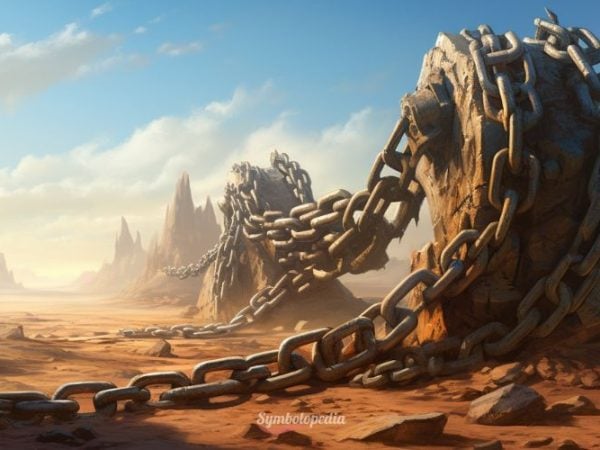
Negative meanings: A necklace can also symbolize constraint or possession. In some contexts, a necklace may feel like a chain, representing restriction or being bound to an obligation. A broken necklace can indicate a severed relationship or loss. In dreams, a tight or heavy necklace might reflect feelings of being burdened or trapped by expectations.
History and Origins of Necklace Symbolism
The history of the necklace dates back to prehistoric times. Archaeological findings show that early humans crafted necklaces from shells, bones, and stones, likely for personal adornment and as symbols of status or belonging. In ancient Egypt, necklaces called wide collars were worn by both men and women to denote wealth and religious devotion. The famous gold burial mask of Tutankhamun is adorned with a broad collar necklace, symbolizing royalty and divine protection. In ancient Rome, necklaces known as bullae were worn by boys to mark their freeborn status before coming of age. Over centuries, the necklace evolved into a versatile symbol found in nearly every human society, reflecting changing ideals of beauty, power, and spirituality.
Necklace Symbolism in Different Cultures
In many Indigenous cultures, necklaces are more than decorative objects. For example, Native American tribes use shell necklaces (wampum) as ceremonial items and records of agreements. In Maori culture, the hei tiki pendant is a treasured emblem of ancestry and fertility. In Hindu tradition, mangalsutra necklaces are worn by married women as a sign of marital status and protection. In African cultures, elaborate bead necklaces often indicate age, social rank, or ethnic identity. The symbolism of the necklace is deeply embedded in these practices, linking the wearer to their heritage and community.
Spiritual Meaning of Necklaces
Spiritually, a necklace can act as a focus for intention or prayer. Many people wear necklaces with religious pendants, such as crosses, stars of David, or symbols of faith, as a constant reminder of their beliefs. In esoteric traditions, certain gemstone necklaces are believed to carry specific energies — for example, an amethyst necklace for calmness or a turquoise necklace for healing. The act of wearing a necklace can be a daily ritual that centers the wearer and connects them to a higher purpose.
Necklace in Myths and Folklore
Myths and folklore often feature necklaces as objects of power or enchantment. In Greek mythology, the Necklace of Harmonia brought misfortune to its wearers, symbolizing the curse of the gods. In Norse legends, the goddess Freya’s necklace Brísingamen was a source of her beauty and magic. In various fairy tales, such as the “The Necklace” by Guy de Maupassant, a borrowed necklace becomes a symbol of vanity and ruin. These stories highlight the necklace as a potent symbol that can confer both blessing and curse.
Necklace in Dreams
Dreaming of a necklace can reflect your feelings about relationships, self-worth, or personal identity. The condition and context of the necklace in the dream provide clues to its meaning. A beautiful necklace may indicate a desire for recognition or affection, while a lost or broken necklace could point to insecurity or the end of a bond.
Common Dream Scenarios
- Receiving a necklace: Often symbolizes a gift of love, recognition, or a new responsibility.
- Losing a necklace: May represent fear of losing a relationship, status, or a part of your identity.
- Wearing a heavy or tight necklace: Suggests feeling burdened by obligations or expectations.
- Finding a necklace: Indicates an opportunity to reclaim something valuable from your past.
- A broken necklace: Could signify a rupture in a close relationship or a loss of connection.
Necklace in Superstitions and Omens
Necklaces have long been part of superstitious beliefs. A necklace that breaks suddenly is sometimes thought to warn of bad news or a broken promise. In some cultures, wearing a necklace made of a certain stone, such as turquoise, is believed to protect the wearer from harm. Giving a necklace as a gift is often considered an omen of friendship and loyalty. However, receiving a necklace with a clasp that is hard to fasten might be seen as a sign of future difficulties in the relationship.
Necklace in Art and Literature
The necklace appears in many notable works of art and literature. Guy de Maupassant’s short story “The Necklace” (1884) famously uses a borrowed diamond necklace as a symbol of vanity and the costly consequences of pride. In literature, the One Ring in Tolkien’s “The Lord of the Rings” is worn on a chain, functioning as a necklace-like symbol of power and corruption. In visual art, portraits from the Renaissance often depict subjects wearing elaborate necklaces to show their wealth and status, such as in Leonardo da Vinci’s “Lady with an Ermine.” In film, the Heart of the Ocean necklace in “Titanic” represents lost love and memory.
Meanings of Different Necklace Types
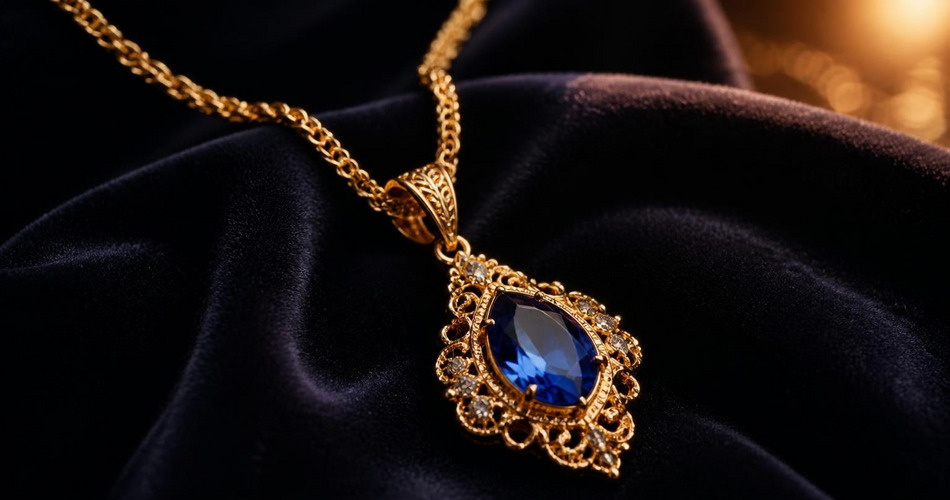
- Pendants and lockets: Typically symbolize a personal memory, a loved one, or a protective symbol.
- Chokers: Often associated with boldness, individual style, or a statement of identity.
- Bead necklaces: Can represent connection, as each bead is a part of a whole; also used in meditation (mala beads).
- Gold and silver necklaces: Frequently signify wealth, status, and enduring value.
- Gemstone necklaces: Carry the specific symbolic properties of the stone, such as healing or protection.
- Chain necklaces: Can symbolize strength, continuity, or being linked to something or someone.
Frequently Asked Questions
Q: What does a necklace symbolize in a dream?
A: In dreams, a necklace often symbolizes relationships, self-worth, or social status. The condition of the necklace (broken, lost, given) provides more specific meanings.
Q: Is there a difference between a necklace and a pendant?
A: A necklace is the chain or cord worn around the neck, while a pendant is the ornament attached to it. The symbolism of a pendant often relies on its design, while the necklace itself symbolizes the bond or connection.
Q: Why are necklaces given as gifts?
A: Necklaces are given as gifts to symbolize love, commitment, or friendship. They are often chosen to mark special occasions like birthdays, anniversaries, or weddings, serving as a tangible reminder of a relationship.
Related Symbols
- Bracelet – Worn on the wrist, symbolizes similar themes of adornment and connection
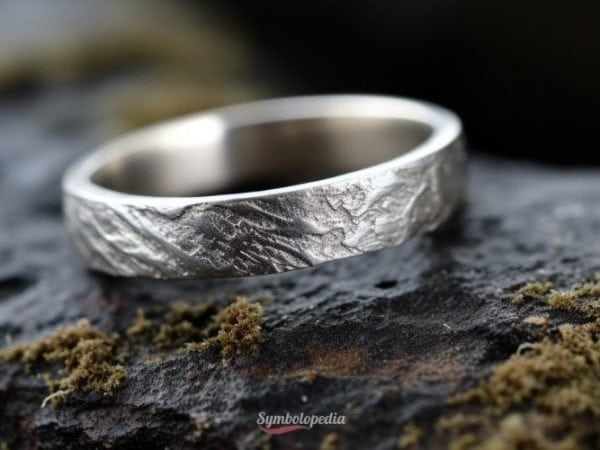
- Ring – Often signifies commitment and eternity
- Amulet – Worn for protection, often as a pendant
- Chain – Represents connection or restraint
- Medal – Symbolizes achievement and honor