Briefly
A pendant is a piece of jewelry worn around the neck, suspended from a chain or cord. It often carries deep personal or symbolic meaning, serving as an amulet for protection, a keepsake for memories, or a statement of identity and belief. Across cultures and history, pendants have been used to signify status, faith, and connection to the divine, making them one of the most versatile and meaningful forms of adornment.
What Does a Pendant Symbolize?
Pendants are rich in symbolism, often representing personal beliefs, emotions, or affiliations. They can symbolize protection when worn as talismans, love when given as lockets containing a photograph, or faith when bearing religious icons such as a cross or Star of David. The pendant’s symbolism is highly individual and context-dependent, but common themes include connection to others, self-expression, and safeguarding against harm. The choice of material, shape, and imagery further refines the meaning, allowing the wearer to communicate a specific message or intention.
In many traditions, pendants are also seen as conduits for spiritual energy or as reminders of one’s values and goals. They can serve as focal points for meditation or as symbols of commitment in relationships. The versatility of pendants makes them a universal symbol of personal significance.
Positive and Negative Meanings of Pendants
Positive associations: Pendants are often associated with protection, love, and spiritual connection. They can serve as comforting talismans that ward off negative energy, as tokens of affection that keep loved ones close, or as symbols of faith that provide strength and guidance. Pendants also convey status and identity, allowing individuals to express their heritage, achievements, or personal style.
Negative meanings: On the negative side, pendants can be seen as symbols of vanity or materialism when worn primarily for display. They may also represent attachment to the past or superstitious fear, particularly when used as good-luck charms. In some contexts, pendants can be associated with excessive sentimentality or even obsession, especially when they hold memories of a lost relationship or person.
History and Origins of Pendant Symbolism
The use of pendants dates back to prehistoric times, with early examples crafted from natural materials like shells, stones, and animal teeth. These early pendants were likely worn as amulets for protection or as markers of social status within a group. In ancient Egypt, pendants took the form of symbolic shapes such as the ankh (representing life) and the scarab (representing rebirth), often made from precious metals and gemstones.
In ancient Rome and Greece, pendants were worn as protective charms and as indicators of wealth and rank. The Romans, for example, wore bulla pendants to mark their citizenship. During the Middle Ages, religious pendants became widespread, with crucifixes and reliquaries holding sacred relics. The Renaissance saw a rise in portrait miniatures worn as lockets, blending art with personal sentiment. Throughout history, pendants have evolved in style and meaning, but their core function as personal symbols has remained constant.
Pendant Symbolism in Different Cultures
Pendants hold diverse meanings across cultures. In Middle Eastern and North African cultures, the Hamsa hand pendant is widely used to protect against the evil eye and bring good fortune. In Tibetan Buddhism, pendants featuring the Om symbol or the Eight Auspicious Symbols are worn for spiritual protection and as reminders of Buddhist teachings. In Hindu tradition, pendants with images of deities like Ganesha or Lakshmi are believed to bring blessings and remove obstacles.
In many Indigenous cultures, pendants made from animal teeth, claws, or feathers are worn to connect with the spirit of the animal and to confer its qualities, such as strength or courage. In Western cultures, cross pendants are a common expression of Christian faith, while Star of David pendants represent Jewish identity. Pendants also serve as symbols of love and commitment in the form of lockets or matching pendants exchanged between partners.
Spiritual Meaning of Pendants
Spiritually, pendants are often regarded as more than decorative items; they are seen as tools for focusing intention and energy. Many people wear pendants with specific gemstones believed to possess healing properties, such as amethyst for calmness or rose quartz for love. The pendant is thought to absorb or amplify the energy of the stone, creating a personal energy field around the wearer.
In meditation practices, a pendant can serve as a focal point for concentration, helping the practitioner to center their thoughts. Some spiritual traditions also use pendants as talismans for protection during spiritual work or travel. The act of wearing a pendant with a sacred symbol is considered a way to carry spiritual energy and intention throughout the day, reinforcing one’s connection to higher principles or divine forces.
Pendants in Myths and Folklore
Pendants and necklaces frequently appear in myths and folklore as objects of power and transformation. In Norse mythology, the goddess Freyja owned the Brísingamen, a magnificent necklace that symbolized her beauty and fertility. In Greek myth, the necklace of Harmonia brought misfortune to its owners, illustrating the dual nature of such objects. In many folk traditions, pendants containing herbs, stones, or written charms were used as amulets to ward off evil spirits or bring luck.
While specific stories vary, the recurring theme is that pendants are never merely ornamental; they carry the power to influence the wearer’s fate. This belief persists in modern superstitions, such as wearing a pendant with a specific stone for protection or luck.
Pendants in Dreams
Dreams featuring pendants can carry a range of symbolic meanings. A pendant in a dream might represent something valuable or cherished, such as a relationship, memory, or aspect of the self. It could also symbolize a desire for protection or a need to connect with one’s spiritual side. The condition and type of pendant in the dream can offer further insight: a broken pendant might indicate a lost connection or a fear of losing something important, while a glowing pendant could symbolize enlightenment or inner truth. As with all dream symbols, the meaning is highly personal and depends on the dreamer’s associations with the pendant.
Pendants in Superstitions and Omens
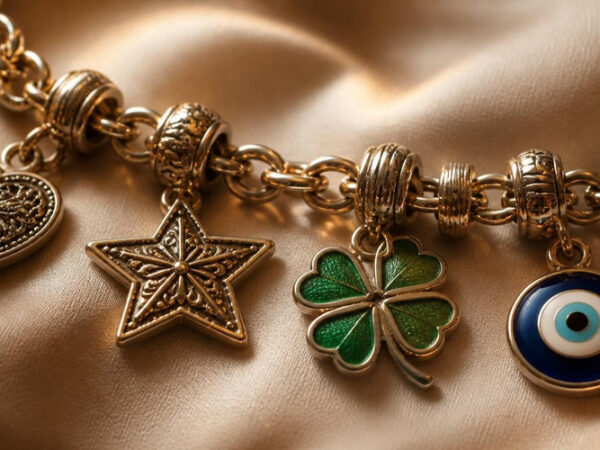
Pendants are deeply embedded in superstitions and folk beliefs. Many cultures consider certain pendants to bring good luck or ward off evil. For example, wearing a pendant with a four-leaf clover or a horseshoe is thought to attract fortune. In some traditions, a pendant given as a gift is believed to carry the giver’s protective energy. Conversely, losing a pendant might be seen as an omen of bad luck or a sign that the protection has been exhausted. Specific materials also carry superstitious meanings: a black onyx pendant is often worn for protection against negativity, while a pearl pendant is sometimes associated with tears and considered unlucky for brides.
Meanings of Different Types of Pendants
The symbolism of a pendant can vary greatly depending on its type and design. Lockets, which open to reveal a photograph or small keepsake, symbolize hidden emotions, secret memories, or a desire to keep loved ones close. Religious pendants, such as crosses, Stars of David, or Om symbols, represent faith and spiritual identity. Gemstone pendants are often chosen for the specific properties of the stone, such as amethyst for peace or garnet for energy. Amulet pendants, like the Hamsa or evil eye, are specifically designed for protection and are believed to deflect negative energy. Initial or name pendants symbolize personal identity and can be a way to carry one’s own or a loved one’s name close to the heart. Animal-shaped pendants may represent the qualities of that animal, such as a lion for courage or an owl for wisdom.
Frequently Asked Questions About Pendants
Q: What does a pendant symbolize?
A: A pendant can symbolize many things, including protection, love, faith, status, and personal identity. Its meaning depends on the design, material, and cultural context.
Q: Are pendants considered good luck?
A: In many cultures, certain pendants are believed to bring good luck or ward off evil, especially those designed as amulets or talismans with specific symbols or stones.
Q: What is the spiritual meaning of wearing a pendant?
A: Spiritually, wearing a pendant can be a way to carry protective energy, focus intention, or maintain a connection to one’s faith or higher self. Many people choose pendants with stones or symbols that align with their spiritual goals.
Q: Can a pendant have negative symbolism?
A: Yes, pendants can sometimes be associated with vanity, materialism, or superstitious fear. In some contexts, they may also represent attachment to the past or unhealthy sentimentality.
Related Symbols
- Necklace: A broader category of neck adornment, often carrying similar symbolic meanings.
- Amulet: A pendant worn specifically for protection and magical properties.
- Talisman: An object believed to bring good luck, often worn as a pendant.
- Locket: A type of pendant that opens to hold a photograph or keepsake, symbolizing memory and connection.
- Cross: A common pendant symbol in Christianity, representing faith and sacrifice.