Briefly
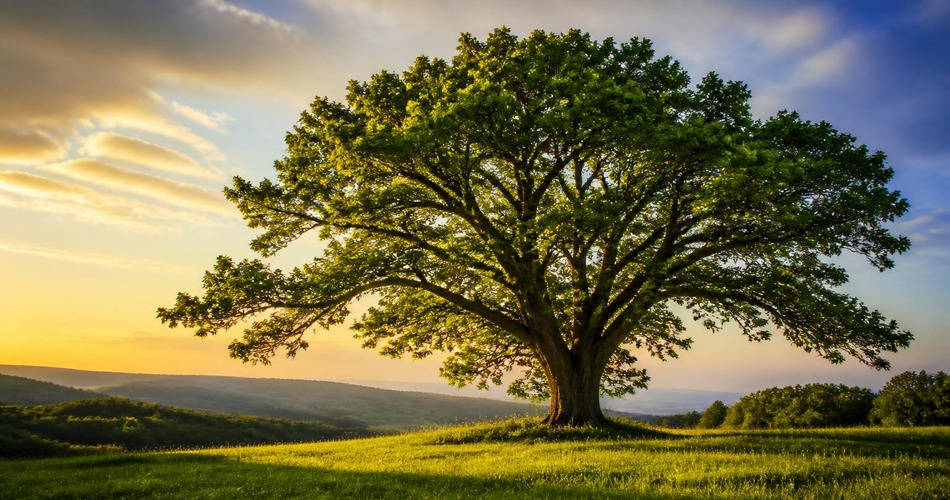
The elm tree is a symbol of strength, dignity and endurance. Known for its tall, stately form and hardy nature, the elm has long been associated with resilience and the ability to withstand adversity. In various cultural contexts, it also represents wisdom, protection, and the deep-rooted connections between the earth and the heavens. Its broad canopy and sturdy trunk have long signified stability and grace.
What Does the Elm Tree Symbolize?
The elm tree primarily symbolizes resilience and endurance. Its robust wood and ability to survive harsh conditions make it a natural metaphor for resilience. The tree’s tall, upright growth habit also conveys a sense of dignity and noble bearing. In many traditions, the elm is seen as a protector, offering shelter and safety with its wide-spreading branches.
Additionally, the elm is often linked to wisdom and knowledge. Its long lifespan suggests accumulated experience and deep understanding. The tree’s extensive root system, which anchors it firmly in the ground, symbolizes stability and a strong foundation, both physically and spiritually.
Positive and Negative Meanings
Positive associations: The elm tree is celebrated for its strength, resilience, and protective qualities. It symbolizes dignity, wisdom, and endurance, often serving as a reminder of the power of steadfastness and inner fortitude. Its broad canopy provides shade and shelter, representing safety and nurturing.
Negative meanings: In some contexts, the elm can be associated with stubbornness or inflexibility due to its unyielding nature. The tree’s susceptibility to Dutch elm disease, a devastating fungal infection, has also linked it to themes of vulnerability and loss. In folklore, elms have occasionally been seen as omens of misfortune or death, particularly when they appear in certain settings.
History and Origins of Elm Tree Symbolism
The elm tree has been a significant symbol in various cultures for centuries. In ancient Greece, the elm was associated with the underworld and was often planted near tombs, symbolizing the connection between life and death. The Romans valued elm wood for its strength and durability, using it for shields and other military equipment, which reinforced its martial symbolism.
In medieval Europe, elms were commonly planted in village squares and along roadsides, serving as gathering places for community meetings and judicial proceedings. This practice imbued the tree with associations of justice, order, and civic pride. The elm’s long life and resilience also made it a symbol of continuity and tradition.
During the 19th and early 20th centuries, elm trees were a dominant feature of urban and rural landscapes in North America and Europe, further cementing their role as symbols of stability and endurance. The outbreak of Dutch elm disease in the 20th century dramatically altered this perception, adding a layer of tragedy and loss to the elm’s symbolic meaning.
Elm Tree Symbolism in Different Cultures
In Celtic mythology, the elm tree was associated with the underworld and the passage of souls. It was often planted in sacred groves and believed to be a gateway between worlds. The tree’s connection to death and rebirth was a recurring theme in Celtic lore.
In Norse mythology, the first woman was said to have been created from an elm tree, according to the Poetic Edda. This origin story links the elm to femininity, creation, and the nurturing aspects of nature. The tree’s sturdy wood was also used for making ships and tools, connecting it to exploration and craftsmanship.
In Chinese culture, the elm tree is a symbol of wisdom and longevity. Its seeds are used in traditional medicine, and the tree is often planted in gardens and courtyards for its protective qualities. The elm’s ability to thrive in diverse conditions is seen as a metaphor for adaptability and perseverance.
Spiritual Meaning of the Elm Tree
Spiritually, the elm tree is seen as grounding, linking the material world with higher realms. Its deep roots anchor it to the earth, while its lofty branches reach toward the sky, symbolizing the balance between material and spiritual existence. Meditating under an elm tree is believed to promote clarity, patience, and inner strength.
The elm is also associated with protection and safe passage. In some spiritual traditions, carrying a piece of elm wood or placing elm leaves in a home is thought to ward off negative energies and bring good fortune. The tree’s resilience in the face of adversity serves as a spiritual lesson in perseverance and faith.
Elm Tree in Myths and Folklore
In Greek mythology, the elm tree was sacred to Orpheus, the legendary musician and poet. It was said that elms grew from the tears of the mourning women who followed him, linking the tree to sorrow and transformation. The elm’s presence in the Underworld, as described in Virgil’s Aeneid, further associates it with the realm of the dead.
In English folklore, elm trees were often considered unlucky or associated with death. It was believed that if an elm tree grew near a house, it could bring misfortune or illness to the inhabitants. This superstition may have arisen from the tree’s tendency to drop large branches without warning, posing a physical danger.
In some Slavic traditions, elm trees were planted at crossroads to protect travelers and guide lost souls. The tree’s strength and height made it a natural landmark and a symbol of guidance. These beliefs highlight the elm’s dual role as both a protector and a harbinger of fate.
Elm Tree in Dreams
Dreaming of an elm tree often symbolizes stability, strength, and a need for grounding. The tree’s tall, upright form may represent personal integrity and moral fortitude. Seeing a healthy, flourishing elm in a dream can indicate a period of growth and resilience in the dreamer’s life.
A dying or diseased elm tree in a dream may reflect feelings of vulnerability, loss, or a fear of decline. It can also signify unresolved issues or a need to address problems before they worsen. The dream may be a call to strengthen one’s foundations or seek support.
Common Dream Scenarios
- Climbing an elm tree: Represents ambition, progress, and the desire to achieve a higher perspective in life.
- Sitting under an elm tree: Symbolizes a need for rest, reflection, and protection from external pressures.
- An elm tree falling: May indicate a sudden loss of stability, a major life change, or the end of a long-standing situation.
- Planting an elm tree: Suggests new beginnings, long-term planning, and the cultivation of lasting values.
Elm Tree in Superstitions and Omens
- In some European traditions, cutting down an elm tree was considered bad luck, as it was believed to house protective spirits.
- Seeing an elm tree in bloom was thought to be a sign of prosperity and good fortune.
- An elm tree that suddenly died or shed its leaves prematurely was often interpreted as an omen of death or misfortune in the family.
- Planting an elm tree near a home was sometimes avoided due to the belief that it could attract lightning or cause illness.
Elm Tree in Art and Literature
In literature, the elm tree appears in several notable works. In Virgil’s Aeneid, the elm is described as a tree in the Underworld, where false dreams cling to its branches, symbolizing illusion and the boundary between life and death. In Thomas Hardy’s novel The Return of the Native, the elm tree is used as a recurring symbol of the enduring, often harsh, rural landscape and the characters’ connection to nature.
In poetry, the elm is featured in works by poets such as John Clare, who wrote about the English countryside, and in the poetry of Robert Frost, where trees often symbolize human resilience and the passage of time. The elm’s distinctive shape and cultural associations make it a potent symbol in visual art, particularly in landscape paintings of the 19th century, where it often represents stability and tradition.
Frequently Asked Questions
Q: What does an elm tree symbolize in a dream?
A: In dreams, an elm tree typically symbolizes strength, stability, and endurance. A healthy elm suggests resilience, while a dying one may indicate vulnerability or loss.
Q: Is the elm tree considered lucky or unlucky?
A: The elm tree has mixed associations. In some cultures, it is a symbol of protection and good fortune, while in others, it is considered unlucky due to its connection to death and misfortune in folklore.
Q: What is the spiritual meaning of the elm tree?
A: Spiritually, the elm tree represents grounding, protection, and the balance between the physical and spiritual worlds. It is often used in meditation for clarity and inner strength.
Related Symbols
- Oak Tree – Another symbol of strength and endurance, often associated with royalty and power.
- Willow Tree – Represents flexibility, intuition, and emotional healing, contrasting with the elm’s rigidity.
- Ash Tree – Symbolizes protection, rebirth, and connection to the divine in Norse mythology.
- Yew Tree – Associated with death, rebirth, and eternity, often found in churchyards.