Briefly
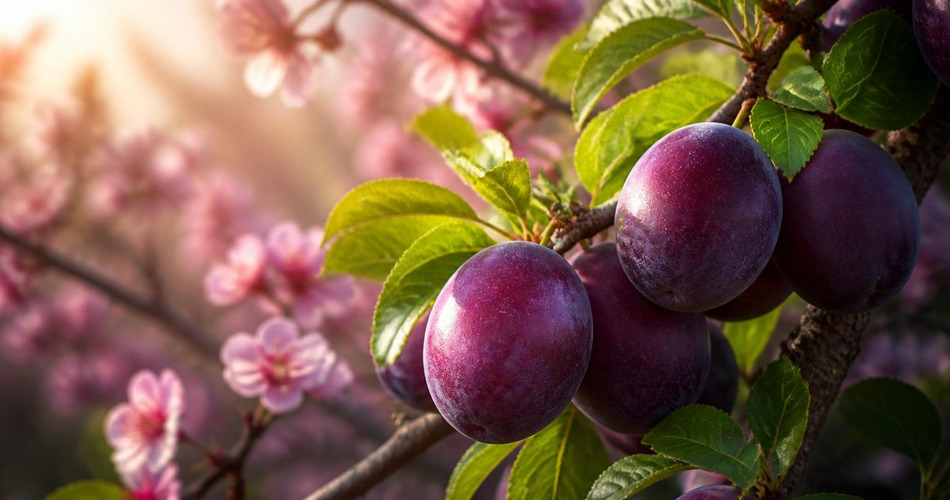
The plum, both as fruit and blossom, carries a rich tapestry of symbolic meanings across cultures. In East Asia, the plum blossom is a revered emblem of winter’s end, perseverance, and hope, often blooming in late winter. In Western contexts, the ripe fruit symbolizes abundance, sweetness, and the pleasures of summer. The plum’s dual nature—its delicate flowers and its juicy fruit—allows it to represent both fleeting beauty and enduring sustenance.
What Does Plum Symbolize?
Plum symbolism centers on themes of renewal, perseverance, and the arrival of spring. The plum blossom, which emerges before the leaves, is seen as a sign of vitality and the triumph of life over harsh conditions. The fruit itself often represents abundance, fertility, and the sweetness of life’s rewards. In many traditions, the plum also stands for beauty, purity, and the transient nature of existence.
Positive and Negative Meanings
Positive associations: The plum is overwhelmingly positive, symbolizing hope, renewal, and endurance. Its blossoms herald the end of winter and the promise of spring, making it a symbol of resilience and optimism. The fruit’s sweetness and abundance evoke prosperity, fertility, and the joys of harvest.
Negative meanings: Less common negative associations include the plum’s perishability, reminding of decay and the fleeting nature of beauty. Overripe plums can symbolize neglect or excess, and in some contexts, the fruit’s dark color may hint at melancholy or hidden sorrow.
History and Origins of the Plum Symbolism
The plum has been cultivated for thousands of years, originating in China and spreading to Japan, Europe, and beyond. Its symbolic importance is especially deep in Chinese culture, where the plum blossom (Prunus mume) has been celebrated since the Tang dynasty as one of the “Three Friends of Winter” (along with pine and bamboo), representing perseverance in adversity. In Japan, the ume blossom is similarly revered and appears in ancient poetry and festivals. In Europe, plums were associated with fertility and abundance in folk traditions.
Plum Symbolism in Different Cultures
In Chinese culture, the plum blossom is a national symbol of resilience and hope. It blooms in late winter, often in snow, and is a frequent subject in painting and poetry. The fruit itself is also linked to the Five Blessings (longevity, wealth, health, virtue, and natural death). In Japanese culture, the ume blossom is a symbol of purity and protection against evil. It is used in festivals like the Plum Blossom Viewing (Ume Matsuri) and appears in traditional patterns. In Western cultures, the plum is more associated with the fruit itself—a symbol of summer abundance, sweetness, and sometimes gluttony. In Slavic folklore, plum trees are often planted near homes for good luck and fertility.
Spiritual Meaning of Plum
Spiritually, the plum represents the soul’s ability to endure hardship and bloom in difficult times. Its early blossoms are a reminder of inner strength and the promise of renewal after a period of darkness. The fruit’s sweetness can symbolize the rewards of patience and virtue. In some traditions, the plum is also linked to the heart chakra, encouraging love, compassion, and emotional openness.
Plum in Myths and Folklore
In Chinese folklore, the plum blossom is often associated with the goddess of spring and with stories of virtuous scholars who, like the blossom, remain pure and strong despite harsh conditions. In Japanese mythology, the ume tree is said to ward off evil spirits, and its blossoms are linked to the god of longevity. In European folklore, plum trees were sometimes seen as gateways to the fairy realm, and dreaming of plums was considered a sign of coming prosperity.
Plum in Dreams
Dreaming of plums generally carries positive connotations. Ripe plums often symbolize abundance, satisfaction, and the fruition of efforts. Unripe plums may indicate impatience or premature decisions. The context of the dream—whether eating, picking, or seeing a plum tree—adds nuance to the interpretation.
Common Dream Scenarios
- Eating a ripe plum: Enjoyment of life’s pleasures, fulfillment, or a reward for hard work.
- Picking plums from a tree: Harvesting the benefits of your labor; success and abundance.
- Seeing a plum tree in bloom: New beginnings, hope, and a period of growth.
- Eating a sour or rotten plum: Disappointment, missed opportunities, or regret.
- Receiving plums as a gift: Good fortune, friendship, or unexpected blessings.
Plum in Superstitions and Omens
In many cultures, plums are considered lucky. Planting a plum tree near a home is thought to bring prosperity and protect against misfortune. In some European traditions, a plum tree that blooms early is a good omen for the coming year. Conversely, a plum tree that fails to fruit may be seen as a sign of hardship. In Japan, placing ume branches in the home during New Year is believed to ward off evil and invite good luck.
Plum in Art and Literature
The plum blossom is a central motif in Chinese and Japanese art. In Chinese painting, it appears in ink wash works alongside bamboo and pine, symbolizing noble character. The Song dynasty poet Wang Anshi wrote a famous poem, “Plum Blossoms,” praising the flower’s resilience. In Japanese literature, the ume is celebrated in haiku and appears in classic works like The Tale of Genji. In Western art, plums often appear in still-life paintings as symbols of abundance and the fleeting nature of life, such as in the works of the Dutch Golden Age painters.
Plum Tattoo Meaning
Plum blossom tattoos are popular in East Asian-inspired designs, symbolizing perseverance, beauty, and the ability to thrive in adversity. They are often chosen by those who have overcome challenges or who value inner strength. The fruit itself is less common as a tattoo but can represent sweetness, fertility, or a connection to nature.
Meanings of Different Types and Colors of Plums
- Purple plums: The most common variety, symbolizing royalty, richness, and deep sweetness.
- Red plums: Associated with passion, vitality, and the heart.
- Yellow plums: Represent cheerfulness, warmth, and the sun.
- Green plums (unripe): Potential, growth, and the anticipation of what is to come.
- Dried plums (prunes): Preservation, longevity, and concentrated sweetness.
Frequently Asked Questions
Q: What does a plum blossom symbolize?
A: The plum blossom symbolizes perseverance, hope, and the arrival of spring. It is a revered emblem in Chinese and Japanese cultures, representing resilience and purity.
Q: Are plums considered lucky?
A: Yes, in many traditions plums are considered lucky. Planting a plum tree near a home is believed to bring prosperity and protection, and the blossoms are used in New Year celebrations to ward off evil.
Q: What does it mean to dream of plums?
A: Dreaming of plums generally indicates abundance, satisfaction, and the fruition of efforts. Ripe plums are especially positive, while unripe or rotten plums may warn of impatience or disappointment.
Related Symbols
- Peach: Both fruits symbolize longevity and immortality in East Asian cultures.
- Cherry Blossom: Like the plum blossom, it represents the transient beauty of life.
- Pine: One of the “Three Friends of Winter” with the plum, symbolizing endurance.
- Bamboo: Another “Friend of Winter,” representing flexibility and strength.
- Apple: In Western symbolism, apples and plums both appear in still-life as symbols of abundance and temptation.