
Briefly
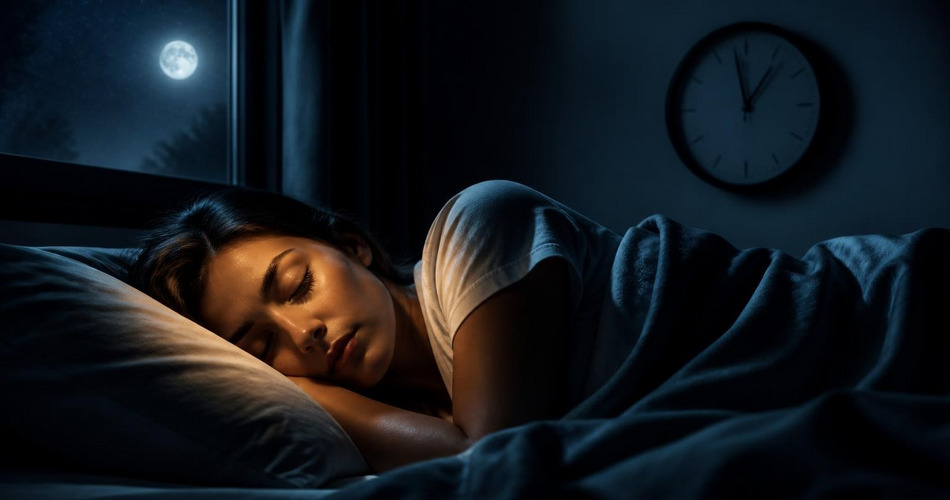
Sleep symbolizes a fundamental state of rest and renewal that is vital for physical and mental health. Across cultures, it represents a threshold between the conscious and unconscious mind, often associated with vulnerability, healing, and spiritual insight. As a universal human experience, sleep carries both positive connotations of peace and restoration and negative associations with passivity, escape, or even death-like stillness. This duality makes sleep a powerful symbol in mythology, religion, dreams, and the arts, reflecting humanity’s deepest fears and aspirations.
What Does Sleep Symbolize?
At its core, sleep symbolizes the cyclical nature of existence — a daily retreat from waking life that mirrors the rhythms of night and day, life and death. It represents a necessary period of restoration, during which the body repairs itself and the mind consolidates memories and processes emotions. In many traditions, sleep is also a symbol of surrender: a temporary letting go of control, trust in the universe, or a journey into the unknown realm of dreams.
Beyond physical recovery, sleep has long been linked to the subconscious mind. It is seen as a gateway to inner wisdom, creativity, and hidden truths. The dream state, experienced during sleep, is often considered a liminal space where normal rules of reality are suspended, allowing for symbolic communication from the psyche or the divine.
Positive and Negative Meanings of Sleep
Positive associations: Sleep is widely celebrated for its healing and rejuvenating powers. It symbolizes peace, safety, and the comfort of home — a time when worries are set aside and the body and mind can recover. In spiritual contexts, sleep can represent a state of grace, trust in providence, and the capacity for renewal. Good sleep is often equated with good health, clarity, and emotional balance, making it a symbol of well-being and harmony.
Negative meanings: On the darker side, sleep can symbolize passivity, ignorance, or a desire to escape reality. “Sleeping on the job” or “going to sleep” metaphorically implies neglect, laziness, or unawareness. In literature and myth, excessive sleep is sometimes associated with sloth or moral weakness, while the inability to sleep (insomnia) can symbolize anxiety, guilt, or spiritual turmoil. Sleep’s resemblance to death has also given it ominous undertones, as seen in phrases like “eternal sleep” or “sleeping with the fishes.”
History and Origins of Sleep Symbolism
Humanity’s understanding of sleep has evolved from mystical interpretations to scientific explanations, but its symbolic resonance dates back to ancient times. Early civilizations often viewed sleep as a state of temporary death or as a portal to the spirit world. In ancient Egypt, sleep was believed to be a time when the soul could travel freely, and dreams were considered messages from the gods. The Egyptians even built “sleep temples” where individuals would sleep to receive divine guidance or healing.
In classical Greek thought, sleep was personified by the god Hypnos, who was the twin brother of Thanatos (death). This kinship underscored the symbolic link between sleep and death — both were seen as peaceful releases from waking life. The Romans adopted this symbolism with the god Somnus. Meanwhile, in ancient Chinese philosophy, sleep was understood as a harmony of yin and yang, with rest being essential to balance the body’s vital energy (qi). These early frameworks established sleep as a central symbol of transition and renewal across cultures.
Sleep Symbolism in Different Cultures
In many indigenous and shamanic traditions, sleep is revered as a time when the soul can journey to other realms. Among the Aboriginal peoples of Australia, the concept of the “Dreamtime” — a sacred era of creation — is accessed through sleep and dreams, linking the individual to ancestral stories and the land. Similarly, in Siberian shamanism, sleep is used as a practice for soul travel and healing.
In Western folk tradition, sleep was often seen as a vulnerable state, where evil spirits or witches could attack. This is reflected in superstitions like not sleeping with one’s feet pointing toward the door (a position reminiscent of a corpse) or avoiding mirrors in the bedroom to prevent the soul from being trapped. In contrast, Japanese culture historically viewed sleep as a profound necessity, with the saying “The best medicine is sleep” emphasizing its restorative power.
In religious contexts, sleep symbolizes trust in a higher power. In Christianity, the Bible contains numerous references to sleep as a gift from God (Psalm 127:2) and also as a metaphor for spiritual awakening (Ephesians 5:14). In Islam, sleep is considered a minor death, and waking is a resurrection, with prayers prescribed upon waking. Hinduism’s concept of yoga nidra (yogic sleep) is a meditative state that merges deep relaxation with awareness, symbolizing a conscious journey into the subconscious.
Spiritual Meaning of Sleep
Spiritually, sleep represents a return to source — a nightly pilgrimage to the realm of the soul. It is seen as a time when the conscious mind steps aside, allowing the deeper self to communicate through dreams, intuition, and visions. Many spiritual traditions encourage practices like dream incubation or mindful sleep as a way to receive guidance, heal emotional wounds, or connect with the divine.
In modern spirituality, sleep is often linked to the concept of surrender — letting go of control and trusting the universe to hold you through the night. This makes it a powerful symbol of faith and acceptance. The transition from waking to sleep is also viewed as a metaphor for spiritual awakening: just as we die to the world each night, we can awaken to higher states of consciousness. Practices such as lucid dreaming further explore sleep as a tool for self-discovery and transformation.
Sleep in Myths and Folklore
Sleep appears in numerous myths and folk tales as a crucial plot device or symbolic element. One of the most famous is the Greek myth of Endymion, a beautiful shepherd whom the moon goddess Selene put into an eternal sleep so she could visit him forever. This myth portrays sleep as a gift of timeless love but also as a state of passivity and endless longing.
In Norse mythology, the hero Sigurd (or Siegfried) is put into a magical sleep after being wounded, which is eventually broken by the warrior maiden Brynhild. This trope of enchanted sleep — where a hero or princess is trapped in slumber until awakened by a kiss — recurs in European fairy tales such as “Sleeping Beauty” and “Briar Rose.” These stories use sleep as a symbol of suspended animation, testing endurance, love, and the passage of time before a rebirth into waking life.
Folk traditions around the world caution against disturbing the sleep of the dead, as sleep is often considered a fragile boundary between worlds. In Eastern European folklore, the mare (or night hag) is a spirit that sits on sleepers’ chests, causing nightmares — a symbolic representation of sleep’s potential to become a site of terror and oppression.
Sleep in Dreams
While sleep itself is a physiological state, its symbolic meaning in dreams is multifaceted. Dreaming of sleeping often indicates a need for rest, recovery, or psychological escape from stress. It may also reflect a desire to avoid confronting a problem or emotion. In dream interpretation, sleeping within a dream can represent a state of unawareness — where something important is being overlooked in waking life.
Conversely, dreaming of being unable to sleep (insomnia) can symbolize inner conflict, anxiety, or a sense of being overwhelmed. The quality of sleep in a dream — peaceful versus restless — often mirrors the dreamer’s emotional state. Sleep dreams can also be literal signals from the body that rest is needed, especially during times of illness or exhaustion.
Common Dream Scenarios
- Dreaming of falling asleep unexpectedly: Suggests that you may be neglecting an important aspect of your life or ignoring a problem that requires attention. It can also signal a need for rest and recuperation.
- Dreaming of someone else sleeping: May indicate that this person is complacent or unaware of something important. Alternatively, it could reflect your own feelings of being ignored or left behind.
- Dreaming of being unable to sleep: Often points to anxiety, worry, or a feeling of being out of control in waking life. It may also symbolize guilt or a need to process unresolved issues.
- Dreaming of sleeping in a strange place: Represents uncertainty or transition. It may reflect feelings of vulnerability or unfamiliarity in a new situation, such as a new job, relationship, or living environment.
Sleep in Superstitions and Omens
Sleep has long been surrounded by superstitions, many of which reflect concerns about vulnerability and the soul’s safety during unconsciousness. Common beliefs include never sleeping with your head facing north (as it is considered the direction of death in some cultures), avoiding open windows at night to prevent spirits from entering, and not moving a sleeping person abruptly, lest their soul have trouble returning to the body.
- Sleeping with a mirror facing the bed: In many traditions, mirrors are thought to capture the soul, and sleeping in front of one can lead to nightmares, spirit possession, or even death. This superstition is rooted in the fear that the soul might become trapped or confused when attempting to return to the body upon waking.
- Dreaming of a door opening: Is sometimes interpreted as an omen that a spirit or angel is visiting the sleeper, often with a message or warning. In some cultures, it is considered a sign of prophetic dreams.
- Placing a piece of iron under the bed: A folk practice in parts of Europe and Asia intended to protect sleepers from nightmares and malevolent spirits, as iron was believed to repel evil entities.
Sleep in Art and Literature
Sleep has been a recurring motif in art and literature, often used to explore themes of vulnerability, escape, and the boundary between life and death. In painting, the work “The Sleep of Reason Produces Monsters” by Francisco Goya (1799) is a powerful allegory: a man sleeps at his desk while owls and creatures emerge from the darkness, symbolizing the idea that without reason, the mind becomes prey to irrational fears and fantasies. Sleep here is both a necessary respite and a dangerous surrender.
In literature, sleep features prominently in William Shakespeare’s plays. In Macbeth, the protagonist’s guilt manifests as insomnia — “Macbeth does murder sleep” — linking the loss of peaceful sleep to moral corruption and psychological torment. In The Tempest, the character Miranda is often put to sleep by her father Prospero, symbolizing her innocence and the control he exerts over her awakening to the world.
The fairy tale “Sleeping Beauty” (recorded by Charles Perrault and the Brothers Grimm) directly uses sleep as a symbol of transformation: the princess’s hundred-year slumber represents a period of waiting for love, but also a kind of death that precedes rebirth. In modern literature, Haruki Murakami’s novel “The Wind-Up Bird Chronicle” uses sleep as a metaphor for disconnection and the subconscious search for meaning in a chaotic world.
Frequently Asked Questions
Q: What does sleep symbolize in dreams?
A: In dreams, sleep often represents a need for rest, escape, or avoidance. It can also indicate that the dreamer is unaware of something important in waking life. The quality of sleep in the dream — peaceful or restless — reflects the dreamer’s emotional state.
Q: Is sleep considered a positive or negative symbol?
A: Sleep carries both positive and negative meanings. Positively, it symbolizes healing, peace, and renewal. Negatively, it can represent passivity, ignorance, escape from reality, or a symbolic death. Its interpretation depends on context and cultural background.
Q: What is the spiritual meaning of sleep?
A: Spiritually, sleep is seen as a time of surrender and connection to the inner self or the divine. Many traditions view it as a journey of the soul, a period of healing, and an opportunity for divine communication through dreams.
Related Symbols
- Dreams: The inner visions and experiences during sleep, often considered messages from the subconscious or the divine.
- Night: The time when sleep naturally occurs, symbolizing mystery, the unknown, and the cyclical nature of life.
- Death: Often compared to sleep as a form of eternal rest; many cultures view sleep as a rehearsal for death.
- Moon: Associated with sleep and dreams due to its connection to night, rhythms, and the subconscious.
- Rest: A broader concept of recovery, of which sleep is a primary form, symbolizing peace and renewal.