Briefly
Treasure is a powerful symbol of something precious, rare, and often hidden—whether material wealth, inner value, or spiritual enlightenment. It represents the rewards of effort, discovery, and the allure of the unknown, but also the dangers of greed and obsession. Across cultures and eras, treasure has been a central motif in myths, literature, and dreams, embodying both the promise of abundance and the risk of corruption.
What Does Treasure Symbolize?
At its core, treasure symbolizes value—something worth seeking, protecting, and possessing. This value can be material, such as gold, jewels, and coins, or immaterial, like knowledge, wisdom, or spiritual insight. Treasure often appears as a hidden or guarded object, representing the challenges one must overcome to attain something meaningful. It can also symbolize the inner riches of the soul, such as love, virtue, or enlightenment, which are more valuable than any physical wealth.
In a broader sense, treasure symbolizes the human desire for security, status, and fulfillment. It is a metaphor for what we hold most dear, whether that is family, health, or personal achievement. The act of seeking treasure mirrors the journey of life itself, where the true prize is often the growth and wisdom gained along the way.
Positive and Negative Meanings of Treasure
Positive associations: Treasure is linked to abundance, prosperity, and reward. It signifies the successful culmination of effort, the discovery of hidden potential, and the security that comes with wealth. In spiritual contexts, treasure represents inner peace, divine grace, or the ultimate truth that brings fulfillment.
Negative meanings: Treasure can also symbolize greed, corruption, and moral decay. The obsessive pursuit of treasure often leads to conflict, betrayal, and destruction. In many stories, treasure is cursed or guarded by dangerous forces, warning that material wealth can bring misfortune if not handled with wisdom and integrity.
History and Origins of Treasure Symbolism
The symbolism of treasure is ancient, rooted in humanity’s earliest civilizations. From the tomb treasures of Egyptian pharaohs to the gold hoards of Celtic chieftains, treasure has always represented power, status, and the afterlife. The concept of buried treasure emerged in folklore as a way to explain sudden wealth or to moralize about the dangers of greed. Pirates, conquistadors, and explorers all contributed to the romantic image of treasure as something hidden and waiting to be found.
In medieval Europe, treasure was often associated with dragons and other mythical guardians, symbolizing the peril of coveting what is not rightfully yours. The idea of a “treasure map” became a popular narrative device, emphasizing the journey and the clues needed to uncover what is hidden. Over time, treasure evolved into a universal symbol for anything deeply desired and difficult to obtain.
Treasure Symbolism in Different Cultures
In many cultures, treasure is intertwined with religious and spiritual beliefs. In Christianity, the “pearl of great price” (Matthew 13:45-46) is a parable about the kingdom of heaven as the ultimate treasure worth sacrificing everything for. In Hinduism and Buddhism, treasure can symbolize spiritual wealth—the inner jewels of wisdom, compassion, and enlightenment that transcend material possessions.
In Chinese culture, treasure is often depicted in art and folklore as gold ingots, coins, and the “three-legged toad” that brings wealth. The concept of feng shui includes symbols of treasure to attract prosperity and good fortune. In Norse mythology, the treasure of the Nibelungs is a cursed hoard that brings tragedy to its owners, reflecting the dual nature of wealth. In African folklore, stories of hidden treasure often teach lessons about community, honesty, and the dangers of greed.
Spiritual Meaning of Treasure
Spiritually, treasure represents the inner riches of the soul—qualities like love, wisdom, faith, and inner peace that are more valuable than any material possession. Many spiritual traditions teach that the true treasure is not external but lies within each person, waiting to be discovered through self-reflection and spiritual practice. The search for treasure becomes a metaphor for the spiritual journey, where the seeker must overcome illusions and attachments to find lasting fulfillment.
In alchemy, the philosopher’s stone was considered the ultimate treasure, capable of transforming base metals into gold and granting immortality. This symbolizes the transformation of the soul from ignorance to enlightenment. Similarly, in mystical traditions, the “treasure in heaven” is a recurring theme, encouraging believers to focus on eternal rather than temporal riches.
Treasure in Myths and Folklore
Treasure appears in myths and folklore worldwide, often as a central plot element. In Greek mythology, the Golden Fleece was a treasure sought by Jason and the Argonauts, symbolizing kingship and divine favor. In Norse mythology, the hoard of the dragon Fafnir represents the corrupting power of greed. In Celtic folklore, leprechauns hide their gold at the end of rainbows, and finding it brings luck but also trickery.
In the Arabian Nights, tales of hidden treasure in caves and palaces emphasize the dangers of greed and the rewards of cleverness. The legend of El Dorado—a city of gold in South America—drove explorers to their doom, symbolizing the destructive obsession with wealth. In many folk tales, treasure is guarded by supernatural beings or traps, testing the hero’s character before they can claim it.
Treasure in Dreams
Dreaming of treasure often reflects the dreamer’s desires, ambitions, or hidden potential. Finding treasure in a dream can symbolize the discovery of a valuable aspect of oneself, such as a talent, insight, or emotional resource. It may also represent a wish for financial security or a reward for hard work. Conversely, losing treasure in a dream can indicate fear of loss, missed opportunities, or feelings of inadequacy.
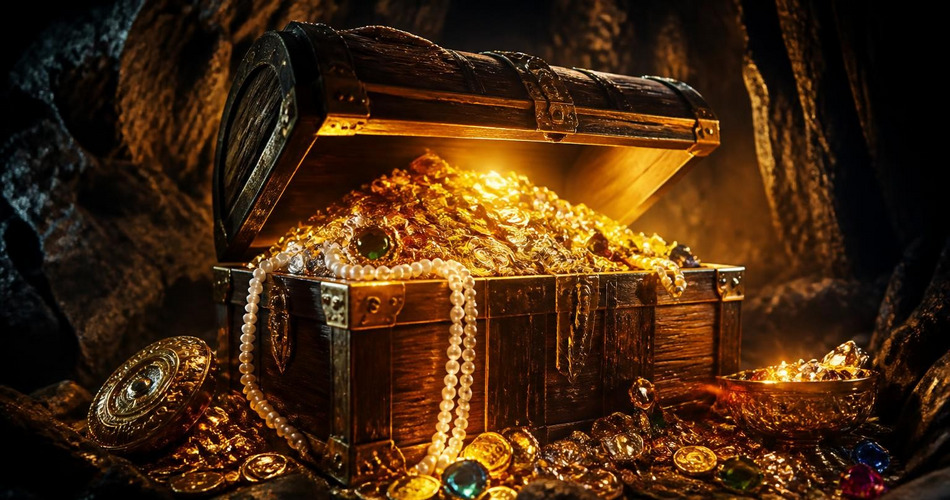
The context of the dream matters greatly. A treasure chest filled with gold might symbolize abundance and self-worth, while an empty chest could represent unfulfilled expectations. Searching for treasure in a dream often mirrors a real-life quest for meaning, success, or happiness. The dream may encourage the dreamer to look within for what they truly value.
Common Dream Scenarios
- Finding a treasure chest: Indicates a forthcoming reward or the discovery of inner riches.
- Digging for treasure: Reflects hard work and perseverance toward a goal.
- Losing treasure: Suggests fear of losing something valuable or a missed opportunity.
- Receiving treasure as a gift: Symbolizes unexpected blessings or recognition.
- Treasure guarded by a monster: Represents obstacles or fears that must be overcome to achieve success.
Treasure in Superstitions and Omens
Superstitions about treasure are common across cultures. Finding a coin is often considered lucky, especially if it is heads up. Buried treasure is believed to be protected by spirits or curses, and disturbing it can bring bad luck. In some traditions, treasure found unexpectedly is seen as a sign of favor from the gods or ancestors, but it must be shared or used wisely to avoid misfortune.
In maritime folklore, treasure from shipwrecks is thought to be cursed, bringing doom to those who claim it without proper respect. The superstition of “treasure maps” leading to hidden gold persists in popular culture, often with warnings about traps and guardians. Overall, treasure in superstition reflects the belief that great wealth comes with great responsibility and risk.
Treasure in Art and Literature
Treasure is a central theme in many famous works of art and literature. In Robert Louis Stevenson’s novel “Treasure Island” (1883), the search for Captain Flint’s buried gold drives the plot, exploring themes of adventure, greed, and moral ambiguity. J.R.R. Tolkien’s “The Hobbit” (1937) features the dragon Smaug’s treasure hoard, which corrupts those who seek it and leads to conflict. The film “The Treasure of the Sierra Madre” (1948) portrays the psychological toll of gold fever, showing how greed destroys relationships and sanity.
In visual art, treasure is often depicted in still lifes of gold and jewels, symbolizing vanity and the transience of wealth. Paintings of pirates and treasure chests evoke adventure and danger. In contemporary media, treasure appears in video games like “Uncharted” and “Tomb Raider”, where the hunt for ancient artifacts combines history, danger, and discovery. These works use treasure as a narrative device to explore human nature, ambition, and the cost of desire.
Frequently Asked Questions
Q: What does finding treasure in a dream mean?
A: Finding treasure in a dream often symbolizes the discovery of hidden potential, inner wealth, or a forthcoming reward. It can also reflect a desire for security or recognition.
Q: What is the spiritual meaning of treasure?
A: Spiritually, treasure represents inner riches such as wisdom, love, and enlightenment. It is a metaphor for the ultimate goal of spiritual seeking—the realization of one’s true self.
Q: Why is treasure often guarded by dragons in myths?
A: Dragons symbolize the dangers of greed and the challenges of obtaining something precious. They guard treasure to test the hero’s worthiness and to warn against the corrupting influence of wealth.
Q: Is treasure always a positive symbol?
A: No, treasure can also symbolize greed, corruption, and obsession. Many stories show that the pursuit of treasure leads to ruin if not balanced with wisdom and morality.
Related Symbols
- Gold – the most common form of treasure, symbolizing wealth and purity.
- Jewelry – personal adornment that represents status and value.
- Chest – a container for treasure, symbolizing hidden value.
- Map – a guide to finding treasure, representing knowledge and quest.
- Dragon – a guardian of treasure, symbolizing danger and greed.
- Pirate – a seeker of treasure, representing adventure and lawlessness.