Briefly
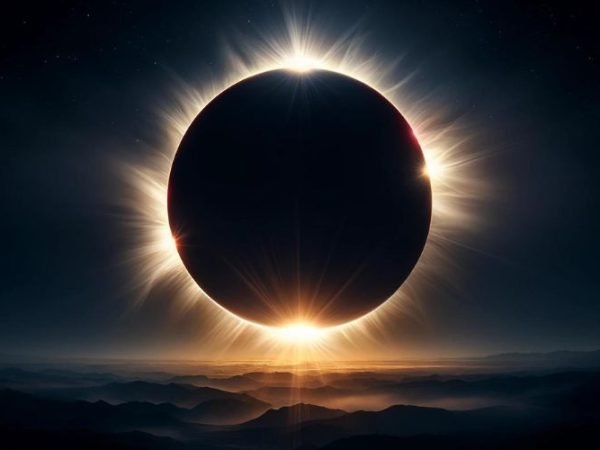
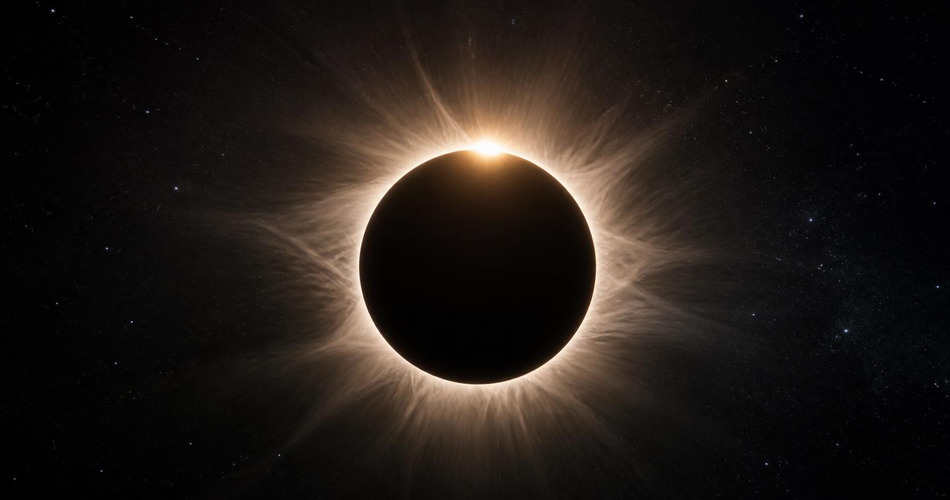
An eclipse occurs when one celestial body moves into the shadow of another, most commonly a solar or lunar eclipse. Symbolically, eclipses represent dramatic change, the obscuration of light, and the interplay of opposing forces. They have been viewed as powerful omens, moments of transformation, and opportunities for introspection across cultures and throughout history.
What Does an Eclipse Symbolize?
An eclipse symbolizes a temporary disruption of the natural order, a moment when the usual light is blocked. It is often associated with transformation, hidden truths, and the balance between light and dark. In many traditions, an eclipse signifies a time of heightened spiritual energy or a call to pay attention to inner changes. The sudden darkness and subsequent return of light mirror the cycles of death and rebirth, making the eclipse a potent symbol of renewal.
On a personal level, an eclipse can represent a period of uncertainty or a crisis that ultimately leads to growth. It reminds us that darkness is not permanent and that clarity will return. The eclipse also symbolizes the union of opposites—sun and moon, masculine and feminine, conscious and unconscious—and the need for balance.
Positive and Negative Meanings of Eclipse
Positive associations: Eclipses can symbolize renewal, new beginnings, and the opportunity for profound change. The darkness is temporary, and the return of light represents hope and clarity. In spiritual contexts, eclipses are seen as powerful times for setting intentions and releasing old patterns. They can also mark a moment of collective awe and wonder, bringing people together to witness a rare celestial event.
Negative meanings: Historically, eclipses were often feared as bad omens, portending disaster, death of a ruler, or cosmic imbalance. The sudden darkness can evoke anxiety, uncertainty, and a sense of vulnerability. In some cultures, eclipses were associated with malevolent forces or the wrath of gods. Even today, some people feel unease during an eclipse, and certain superstitions warn against activities like eating or traveling during the event.
History and Origins of Eclipse Symbolism
Ancient civilizations meticulously recorded eclipses. The Babylonians developed the saros cycle to predict them, and Chinese astronomical records date back over 4,000 years. The Greek philosopher Anaxagoras correctly theorized that the moon reflected sunlight and that eclipses were caused by shadows. These early observations shaped the symbolic meaning of eclipses as both predictable yet awe-inspiring events.
In many ancient societies, eclipses were interpreted as messages from the gods. The sudden darkening of the sun or moon was often seen as a sign of divine displeasure or a warning of impending upheaval. Over time, as scientific understanding grew, the fear diminished, but the symbolic power of eclipses remained strong in art, literature, and spiritual practice.
Eclipse Symbolism in Different Cultures
In Chinese mythology, a solar eclipse was thought to be caused by a celestial dragon devouring the sun. People would bang drums and make noise to scare the dragon away. In Hindu mythology, the demon Rahu swallows the sun or moon, causing an eclipse. In Norse mythology, the wolves Skoll and Hati chase the sun and moon; an eclipse occurs when they catch them. In many Native American traditions, eclipses are seen as a time for prayer and reflection. In Islamic culture, eclipses are times for prayer and remembrance of God’s power.
In ancient Egypt, the eclipse was associated with the god Set, representing chaos and disorder. In Inca mythology, a lunar eclipse was believed to be caused by a jaguar attacking the moon. These diverse interpretations share a common theme: the eclipse as a moment when the cosmic order is disrupted, requiring human response—whether through ritual, prayer, or noise-making.
Spiritual Meaning of Eclipse
Spiritually, an eclipse is often considered a powerful portal for transformation. It is a time when the veil between the physical and spiritual worlds is thin. Many people use eclipses for meditation, setting intentions, or releasing what no longer serves them. The darkness represents the unconscious, and the return of light symbolizes awakening and clarity.
In modern spiritual circles, eclipses are seen as catalysts for change. They are believed to amplify energy and intention, making them ideal for rituals focused on new beginnings. The spiritual meaning also emphasizes the importance of balance—between light and dark, action and rest, the seen and the unseen.
Eclipse in Myths and Folklore
Myths often explain eclipses as a struggle between cosmic forces. In Vietnamese folklore, a frog or toad swallows the sun. In Korean mythology, fire dogs try to steal the sun or moon. In Inca mythology, the jaguar attacks the moon during a lunar eclipse. These stories reflect the universal human attempt to understand and influence celestial events.
In Norse mythology, the wolves Skoll and Hati are said to chase the sun and moon; when they catch them, an eclipse occurs. This myth emphasizes the cyclical nature of the cosmos and the constant tension between order and chaos. In Hindu mythology, the demon Rahu, who was beheaded by Vishnu, is said to swallow the sun or moon, but because he has no body, the sun or moon escapes again. This explains the temporary nature of eclipses.
Eclipse in Dreams
Dreaming of an eclipse can symbolize a period of transition, hidden aspects of the self coming to light, or a fear of the unknown. It may indicate that something is being obscured or that a major change is imminent. The context of the dream—whether it is a solar or lunar eclipse, the emotions felt, and the outcome—adds nuance to the interpretation.
In dream psychology, an eclipse often represents a confrontation with the shadow self or a need to integrate unconscious material. It can also signify a loss of direction or a feeling of being overshadowed by external events. Conversely, a dream of an eclipse ending with the return of light can be a positive sign of resolution and clarity.
Common Eclipse Dream Scenarios
- Dreaming of a solar eclipse: may represent a loss of power or identity, or a need to look inward.
- Dreaming of a lunar eclipse: could symbolize emotional upheaval or hidden feelings surfacing.
- Dreaming of watching an eclipse with others: might indicate shared experiences or collective change.
- Dreaming of being afraid during an eclipse: suggests anxiety about change or the unknown.
- Dreaming of an eclipse that never ends: could reflect a feeling of being stuck in a difficult situation.
Eclipse in Superstitions and Omens
Many superstitions surround eclipses. In some cultures, pregnant women are advised to stay indoors to avoid harm to the unborn child. Others believe that food cooked during an eclipse is poisoned. It is also considered unlucky to start new ventures during an eclipse. Conversely, some traditions view eclipses as auspicious for spiritual practices.
In Indian tradition, it is common to bathe after an eclipse to purify oneself. In parts of Africa, people believe that eclipses are caused by a battle between the sun and moon, and they make noise to encourage them to reconcile. These superstitions reflect the deep-seated human need to find meaning and control in the face of cosmic events.
Eclipse in Art and Literature
Eclipses have been featured in numerous works. In Mark Twain’s A Connecticut Yankee in King Arthur’s Court, the protagonist uses his knowledge of a coming solar eclipse to convince the court of his power. In Homer’s Odyssey, a solar eclipse is described as a sign of doom for the suitors. In modern music, Pink Floyd’s song Eclipse on the album The Dark Side of the Moon explores themes of life and cosmic cycles.
The painting The Eclipse by George Grosz (1926) satirizes the greed and corruption of the wealthy, using the eclipse as a symbol of impending darkness. The 1919 solar eclipse that confirmed Einstein’s theory of relativity became a symbol of scientific progress and human understanding. In film, the eclipse scene in The War of the Worlds (1953) heightens the sense of alien invasion and cosmic threat.
Eclipse Tattoo Meaning
Eclipse tattoos often symbolize balance, transformation, and the cyclical nature of life. They can represent a personal journey through darkness to light, or the union of opposites. Solar and lunar eclipse designs are popular for their striking visual contrast and deep symbolic resonance.
People may choose an eclipse tattoo to commemorate a major life change or to remind themselves that darkness is temporary. The design can be minimalist or highly detailed, often incorporating celestial elements like stars or planets. The tattoo’s meaning is deeply personal, but commonly reflects themes of resilience, mystery, and the beauty of cosmic events.
Meanings of Different Types of Eclipses (Solar vs. Lunar)
A solar eclipse occurs when the moon passes between the sun and Earth, blocking the sun’s light. Symbolically, it represents a temporary loss of vitality, ego, or conscious awareness. It is often associated with new beginnings and the need to take action. A lunar eclipse occurs when Earth passes between the sun and moon, casting a shadow on the moon. It is associated with emotional release, hidden desires, and the shadow self.
Both types are powerful symbols of change and the interplay of light and shadow. A total solar eclipse, where the sun is completely obscured, is particularly dramatic and symbolizes a complete transformation. A partial eclipse may represent a less intense but still significant shift. The rarity of total solar eclipses adds to their symbolic weight as once-in-a-lifetime events.
Frequently Asked Questions about Eclipse Symbolism
Q: What does an eclipse symbolize spiritually?
A: Spiritually, an eclipse symbolizes a time of transformation, inner reflection, and the opportunity to release old patterns and embrace new beginnings.
Q: Are eclipses considered good or bad omens?
A: Historically, eclipses were often seen as bad omens, but modern interpretations also view them as positive opportunities for change and growth.
Q: What is the difference in symbolism between a solar and lunar eclipse?
A: A solar eclipse is associated with the conscious mind, ego, and outward expression, while a lunar eclipse relates to emotions, intuition, and the subconscious.
Q: Why do eclipses appear in so many myths?
A: Eclipses are dramatic and rare events that ancient cultures sought to explain through stories of cosmic battles or divine intervention, reflecting humanity’s need to understand the natural world.
Related Symbols
- Sun: source of light and life, often obscured during an eclipse.
- Moon: reflective and emotional, eclipsed by Earth’s shadow.
- Shadow: represents the hidden or unconscious aspects.
- Darkness: the temporary absence of light, symbolizing mystery and potential.
- Light: the return of illumination after an eclipse, symbolizing hope and clarity.
- Cycles: the recurring nature of eclipses mirrors the cycles of life, death, and rebirth.