Briefly
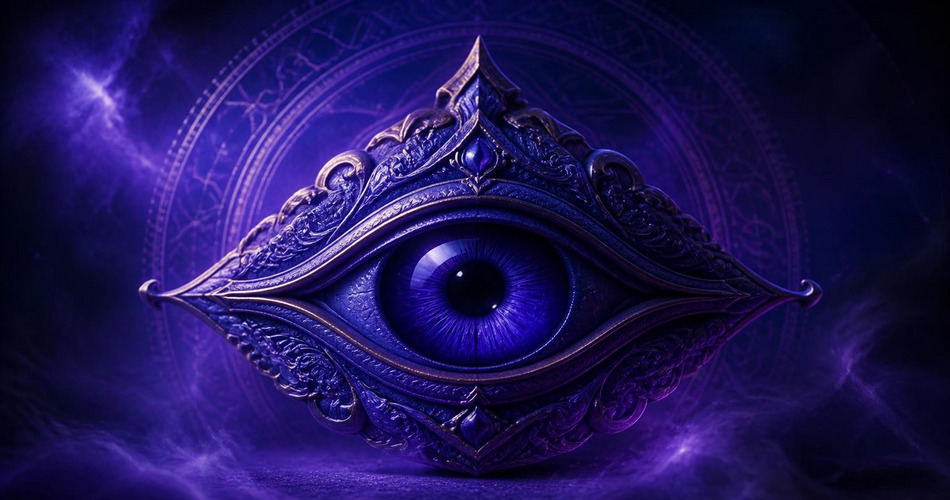
Indigo is a deep, rich color that sits between blue and violet on the visible spectrum. It is widely associated with intuition, wisdom, and spiritual insight, often linked to the third eye chakra in Eastern traditions. The color evokes a sense of mystery and depth, encouraging introspection and contemplation. While indigo can represent higher consciousness and inner peace, it may also suggest melancholy or emotional restraint when used in certain contexts.
What Does Indigo Color Symbolize?
Indigo color symbolizes intuition and deep inner knowing. It is often described as the color of the mind and perception, standing between the calm logic of blue and the spiritual awareness of violet. This hue encourages reflection, helping individuals connect with their subconscious thoughts and hidden truths.
In color psychology, indigo is associated with wisdom, integrity, and structure. It promotes a sense of order and discipline, which can support mental clarity and focus. Many people find that indigo helps quiet external noise, making it easier to listen to one’s inner voice.
The color also symbolizes authority and dignity. Its deep, regal tone has historically been linked to royalty and high status, as indigo dye was once rare and expensive. Today, it continues to convey a sense of seriousness and depth in design and branding.
Positive and Negative Meanings
Positive associations: Indigo is widely seen as a color of spiritual growth and heightened awareness. It encourages introspection, self-discipline, and a deeper understanding of life’s mysteries. In spiritual practices, indigo is connected with the third eye chakra, which governs intuition and the ability to perceive beyond the physical world. The color can also foster creativity, as it stimulates the imagination and helps people think beyond conventional boundaries.
Negative meanings: On the downside, indigo can sometimes reflect emotional extremes. An overabundance of indigo in one’s environment may lead to feelings of isolation, moodiness, or excessive introspection. Because the color is so deeply tied to the mind, it can occasionally amplify anxiety or obsessive thinking. In some contexts, indigo may also be associated with rigidity or an overly critical attitude.
History and Origins of the Symbolism
The symbolic meaning of indigo is deeply rooted in its history as a natural dye and its scarcity in many cultures. For centuries, indigo was one of the most coveted and expensive dyes in the world, derived from plants of the genus Indigofera. This rarity made it a color of luxury and power, often reserved for royalty or high-ranking officials in ancient Egypt, Persia, and Rome.
In the 6th century BCE, the Greeks and Romans used indigo as a pigment for painting and a dye for textiles. The color’s association with depth and mystery grew as it became linked to the night sky and the vastness of the cosmos. In many ancient traditions, indigo was seen as a bridge between the earthly and the divine, a color that could help the soul travel beyond the material world.
During the 19th century, synthetic indigo was developed, making the dye more accessible. However, its historical prestige left a lasting impression on color symbolism. Today, indigo is recognized in the seven-color spectrum of the rainbow, a classification that originated with Isaac Newton’s experiments in optics. Newton added indigo as a distinct color, emphasizing its unique position between blue and violet.
Symbolism in Different Cultures
In Indian culture, indigo is deeply connected to spirituality and meditation. It is the color associated with the Ajna chakra, or third eye, which sits between the eyebrows and governs intuition, insight, and self-realization. Yogis and spiritual seekers often meditate on indigo to develop inner vision and clarity. The dye itself, traditionally made from the indigo plant, has been used for centuries in India for textile dyeing, especially in the region of Gujarat, where it became a major trade commodity.
In Japanese culture, indigo (known as ai) holds great significance. The dye is used in traditional textiles such as kasuri and shibori, and the color represents honesty, simplicity, and endurance. During the Edo period, indigo-dyed clothing was common among samurai and commoners alike, not only for its aesthetic appeal but also because the dye was believed to protect against insects and snakes. The deep blue shades of Japanese indigo evoke a sense of stability and calm.
In ancient Egypt, indigo was used in funerary rituals and was associated with protection and the afterlife. The dye was applied to linens and burial shrouds, and its deep hue was thought to resemble the heavens, helping the deceased navigate the journey to the afterlife. Indigo was also used in jewelry and amulets to guard against evil spirits.
In West African cultures, indigo dyeing has a long and rich history, particularly among the Yoruba and Hausa peoples. The color symbolizes wealth, status, and spiritual protection. Deeply indigo-dyed cloths were often worn by kings and priests, and the dye itself was considered a gift from the gods. The indigo plant was also used in traditional healing practices.
Spiritual Meaning
In spiritual contexts, indigo is often seen as a color of awakening. It is believed to open the mind to higher states of consciousness and to facilitate communication with the spiritual realm. Many people use indigo in meditation or visualization exercises to enhance their intuitive abilities and to access deeper layers of inner wisdom.
The association with the third eye chakra is central to its spiritual meaning. When this chakra is balanced, indigo is thought to promote clear perception, logical thinking, and a calm, centered mind. An overactive third eye may lead to confusion or detachment, while an underactive one can cause rigidity and a lack of insight. Meditating on indigo is said to help restore balance.
Indigo is also linked to the concept of the indigo child, a term popularized in the 1970s by parapsychologist Nancy Ann Tappe. According to this idea, some children possess a unique indigo-colored aura that signifies a heightened sensitivity, intuition, and a mission to challenge established norms. While this concept is not scientifically validated, it has influenced pop culture and spiritual circles, especially in the context of alternative education and parenting.
In Myths and Folklore
Indigo appears in various myths and folk traditions, often as a color of transition and magic. In Greek mythology, the dye and its source plant were associated with the god Dionysus, who was linked to both ecstasy and madness. The deep, intoxicating color of indigo was seen as a reflection of the god’s dual nature — capable of liberating the mind or overwhelming it.
In Celtic lore, woad (a plant used to produce a blue-indigo dye) was used by ancient warriors to paint their bodies before battle. This practice was described by Roman writers like Julius Caesar, who noted that the blue dye gave the Celts a fearsome appearance. The color was believed to invoke spiritual protection and to confuse enemies, blurring the boundaries between the physical and spirit worlds.
In Norse mythology, the color blue-indigo is sometimes associated with the goddess Hel, who ruled over the underworld. The deep hue represented the boundary between life and death, and it was used in funerary rites to honor the transition of the soul.
In Dreams
Dreaming of the color indigo often points to a period of introspection or spiritual growth. It may indicate that the dreamer is processing deep emotions or seeking answers to profound questions. Indigo in a dream can be a call to trust one’s intuition and to pay attention to subtle inner messages.
The specific shade of indigo in a dream can offer further clues. A bright, clear indigo suggests clarity and insight, while a muddy or dark indigo may signal confusion, emotional heaviness, or a need to confront hidden fears. The context in which the color appears matters — for example, seeing indigo in a serene landscape might represent peace and alignment, whereas indigo in a chaotic scene could reflect inner turmoil.
Common Dream Scenarios
- Seeing an indigo sky or light: A sign of spiritual awakening or a new level of understanding. It may represent a connection to higher realms or a sense of awe.
- Wearing indigo clothing: Suggests a desire for self-expression, authority, or a need to be more introspective. It can also indicate a search for truth or wisdom.
- Indigo in a water scene: Water combined with indigo often relates to emotional depth and the subconscious. It can signify healing or the need to dive into one’s feelings.
- Indigo objects or surroundings: Points to a time of meditation, research, or creative work. The dreamer may be absorbing knowledge or working through complex ideas.
In Superstitions and Omens
Superstitions surrounding the color indigo vary across cultures. In some European folk traditions, wearing a piece of indigo-dyed fabric or an indigo-colored stone was believed to ward off the evil eye and protect against negative energy. The color was thought to have a calming effect that could repel malevolent spirits.
In Indian folk belief, indigo is sometimes considered a protective color for newborns and pregnant women. It is common to see indigo threads or ribbons tied around cradles or doorways to bring good luck and safeguard against illness. Conversely, in some parts of the Middle East, dark indigo is associated with mourning and is worn during periods of grief.
In modern superstition, indigo is occasionally seen as an omen of change or deep emotional processing. Seeing a sudden flash of indigo light or dreaming of the color may be interpreted as a signal to pause and reflect before making a major decision.
In Art and Literature
The color indigo has appeared in various works of art and literature, often used to evoke mystery, depth, or the sublime. In painting, the Pre-Raphaelite artists of the 19th century frequently used deep indigo tones in their religious and mythological scenes. Dante Gabriel Rossetti’s The Blessed Damozel (1875–1878) features indigo in the heavenly backgrounds, emphasizing the spiritual and otherworldly nature of the subject. The Impressionist Claude Monet also used indigo in his later works, particularly in his series of water lilies, where the deep blues and purples convey the reflective, tranquil quality of the water.
In literature, indigo appears in the poetry of the Romantic and Symbolist movements. For instance, in William Blake‘s poem The Tyger (1794), the line «What immortal hand or eye / Could frame thy fearful symmetry?» is often illustrated with deep indigo or dark blue tones to represent the tiger’s mysterious and awe-inspiring nature. In Ralph Waldo Emerson‘s essays, indigo is occasionally mentioned as a symbol of the infinite and the transcendent, reflecting the author’s interest in the relationship between nature and the soul. More recently, in Yann Martel‘s novel Life of Pi (2001), indigo is used to describe the ocean at night, emphasizing the vastness and unknown depth of the sea, which serves as a backdrop for the protagonist’s spiritual journey.
In film, the color indigo is often used in color grading to create a mood of introspection or mystery. For example, in the movie The Matrix (1999), the blue-gray and indigo tones of the real world contrast with the bright green of the Matrix itself, visually separating the artificial from the authentic. Similarly, in the film Inception (2010), deep indigo hues appear in dream sequences, reinforcing the themes of layered consciousness and blurred boundaries between reality and illusion.
Meanings of Different Types, Colors, or Variations
- Pure indigo (bright, medium-depth): Associated with clarity, wisdom, and balanced intuition. It is the most commonly referenced spiritual shade.
- Dark indigo (almost navy): Connects to depth, authority, and the mysteries of the subconscious. It can also feel more serious or somber.
- Indigo with red tones (plum-like): Combines spiritual insight with passion and creativity. This shade may stimulate both intuition and emotional energy.
- Muted or grayed indigo: Suggests restraint, caution, or a need for grounding. It can indicate that one’s spiritual or intuitive abilities need more nurturing.
- Bright electric indigo (vivid, almost digital): Represents high energy, innovation, and active intuition. This shade is often used in modern branding to evoke creativity and forward thinking.
Frequently Asked Questions
Q: What is the main spiritual meaning of indigo?
A: Indigo is primarily associated with the third eye chakra and represents intuition, spiritual insight, and higher consciousness.
Q: Does indigo have any negative meanings?
A: Indigo can sometimes reflect moodiness, excessive introspection, or emotional isolation if overemphasized in a person’s environment or personality.
Q: How is indigo different from blue and violet in symbolism?
A: Blue symbolizes logic, calm, and communication, while violet is tied to spirituality and the crown chakra. Indigo bridges these — it is about deep inner knowing and perception rather than pure spirituality or rational thought.
Q: What cultures historically used indigo dye?
A: Indigo has been used in India, Japan, West Africa, ancient Egypt, and many other regions for thousands of years as a dye and pigment with cultural and spiritual significance.
Q: Can indigo be used in interior design for specific effects?
A: Yes, indigo is often used in spaces meant for meditation, study, or relaxation, as its deep hue promotes focus and calm. However, it should be balanced with lighter colors to avoid a feeling of heaviness.
Related Symbols
- Violet — spiritual crown chakra and transcendence
- Blue — calm, logic, communication
- Third Eye Chakra — the energy center associated with indigo
- Night — mystery, introspection, and the subconscious
- Purple — royalty, luxury, and creativity