Briefly
The chrysanthemum is a flower rich in symbolism, carrying meanings that vary dramatically across cultures. In East Asia, it represents optimism, longevity, honor, and the autumn season, while in many European traditions it is associated with death and mourning. Its name comes from the Greek words chrysos (gold) and anthemon (flower), reflecting its original golden blooms. The chrysanthemum’s layered petals and late-autumn blooming have made it a powerful symbol of endurance, perfection, and the cycle of life and death.
What Does Chrysanthemum Symbolize?
The chrysanthemum primarily symbolizes optimism and joy. Its bright, full blooms that appear in late autumn, when most other flowers have faded, give it an association with cheerfulness and resilience. In many cultures, it also stands for longevity and vitality because of its ability to bloom late into the year. The flower’s many petals are often seen as representing perfection and abundance. At the same time, its use in funerary contexts in parts of Europe gives it a dual nature as a symbol of death and remembrance.
Positive and Negative Meanings
Positive associations: The chrysanthemum is widely seen as a symbol of optimism, happiness, and a long life. In East Asian cultures, it conveys honor, dignity, and nobility. Giving a chrysanthemum can express well-wishes for recovery, good fortune, or a fresh start. Its ability to bloom in cool weather makes it an emblem of endurance and perseverance.
Negative meanings: In many European countries, particularly France, Italy, and Belgium, the chrysanthemum is strongly linked to death and is used almost exclusively for graves and funerals. Offering a chrysanthemum as a gift in these cultures can be seen as a serious social faux pas, associated with mourning rather than celebration.
History and Origins of Chrysanthemum Symbolism
The chrysanthemum has been cultivated in China for over 2,500 years. It was first mentioned in Confucian texts as early as the 5th century BCE, where it was praised for its beauty and medicinal properties. Chinese scholars and poets, such as Tao Yuanming, celebrated the chrysanthemum as a symbol of the recluse’s integrity, blooming in solitude away from the corruption of court life. From China, the flower spread to Japan, where it became the imperial seal and a national symbol. The Japanese “Festival of Happiness” (Chrysanthemum Festival) dates back to the Heian period. In Europe, chrysanthemums were introduced in the 17th century, but their association with death solidified in the 19th century, particularly in France, where they became the flower of choice for All Saints’ Day.
Chrysanthemum Symbolism in Different Cultures
In China, the chrysanthemum is one of the “Four Gentlemen” of Chinese art (along with plum, orchid, and bamboo), representing autumn and the virtuous scholar who remains pure despite adversity. It is also a symbol of longevity and is often featured in birthday celebrations for the elderly. In Japan, the chrysanthemum (kiku) is the emblem of the imperial family and appears on the imperial crest. The “Order of the Chrysanthemum” is the highest honor in Japan. The flower symbolizes perfection, rejuvenation, and the sun. In European countries, especially France, Italy, and Belgium, the chrysanthemum is almost exclusively associated with death and is placed on graves on All Saints’ Day (November 1). In Australia, chrysanthemums are given on Mother’s Day as a symbol of love and gratitude, showing how cultural context completely changes meaning.
Spiritual Meaning of Chrysanthemum
Spiritually, the chrysanthemum is often linked to the sun and the life-giving energy of light. Its radial petals resemble a sunburst, and in many traditions it represents the divine light of the universe. In feng shui, chrysanthemums are believed to bring positive energy, joy, and a sense of calm into the home. They are also associated with the element of metal and the autumn season, encouraging introspection and balance. In some spiritual practices, the chrysanthemum is used to aid meditation on the cycle of life and death, reminding practitioners of the beauty that can emerge even in decline.
Chrysanthemum in Myths and Folklore
In Chinese folklore, there is a legend that drinking chrysanthemum dew or tea made from the flowers can grant immortality. The story of the “Chrysanthemum Spring” tells of a village where people drank from a stream surrounded by chrysanthemums and lived for centuries. In Japanese mythology, the chrysanthemum is said to have been created from the tears of a princess. The flower is also central to the Japanese “Kiku no Sekku” (Chrysanthemum Festival), which dates back to the 8th century and celebrates health and longevity. In European folklore, chrysanthemums were sometimes believed to ward off evil spirits if planted near doorways, but this belief faded as the flower became more closely tied to death.
Chrysanthemum in Dreams
Dreaming of chrysanthemums can have different meanings depending on the cultural background of the dreamer. In general, a chrysanthemum in a dream may symbolize a need for optimism or a reminder of life’s cyclical nature. If the dreamer associates the flower with death, it might reflect grief or a need for closure. Blooming chrysanthemums often suggest a period of personal growth or the arrival of good news, while wilted ones may indicate disappointment or the end of a phase.
Common Dream Scenarios
- Receiving a bouquet of chrysanthemums: May indicate unexpected good fortune or a message of encouragement, but in European contexts could also warn of a loss.
- Planting chrysanthemums: Suggests investing in long-term happiness, health, or a project that will take time to flourish.
- Wilted or dead chrysanthemums: Often points to feelings of sadness, missed opportunities, or the end of a relationship or phase in life.
- Seeing a field of chrysanthemums: Represents abundance, peace, and the beauty of the autumn season; a call to appreciate the present moment.
Chrysanthemum in Superstitions and Omens
In many European countries, it is considered bad luck to give chrysanthemums as a gift outside of a funeral context. In France, bringing chrysanthemums to a hospital is thought to bring death. Conversely, in East Asia, chrysanthemums are considered lucky and are often given to elders to wish them a long life. In some folk traditions, placing a chrysanthemum under your pillow is said to bring prophetic dreams, while burning dried chrysanthemum leaves is believed to purify a space of negative energy.
Chrysanthemum in Art and Literature
The chrysanthemum is a central motif in East Asian art. In Chinese ink painting, it appears alongside plum, orchid, and bamboo as one of the “Four Gentlemen,” each representing a season and a virtue. The poet Tao Yuanming (365–427 CE) famously wrote about chrysanthemums in his poem “Returning to Live in the Country,” using the flower as a symbol of his withdrawal from political life. In Japanese ukiyo-e woodblock prints, chrysanthemums often appear in portraits of beauties or as seasonal symbols. In Western literature, the chrysanthemum appears in D.H. Lawrence’s short story “Odour of Chrysanthemums,” where the scent of the flowers evokes the presence of death and the harshness of mining life. The flower also features in John Steinbeck’s short story “The Chrysanthemums,” where it symbolizes the protagonist’s unfulfilled desires and creative energy.
Chrysanthemum Tattoo Meaning
Chrysanthemum tattoos are popular in both Eastern and Western tattoo traditions. In Japanese irezumi, the chrysanthemum is a symbol of the sun, perfection, and the imperial family, often used to represent a determined, honorable character. It can also signify a life lived with integrity and resilience. In Western tattoo culture, the chrysanthemum is often chosen to represent optimism, rebirth, or remembrance of a loved one. The flower’s many petals allow for intricate, beautiful designs that can be adapted to various styles. A red chrysanthemum tattoo may symbolize love and passion, while a white one can denote truth or mourning.
Meanings of Different Chrysanthemum Colors
- Red: Love, passion, and deep affection. Often given to express romantic feelings.
- White: Truth, loyalty, and in some cultures, mourning. Used in funerals and to honor the deceased.
- Yellow: Joy, optimism, and friendship. In some contexts, yellow chrysanthemums can also represent slighted love.
- Pink: Gentle affection, admiration, and a wish for good health.
- Purple: Royalty, nobility, and dignity. Often associated with the Japanese imperial family.
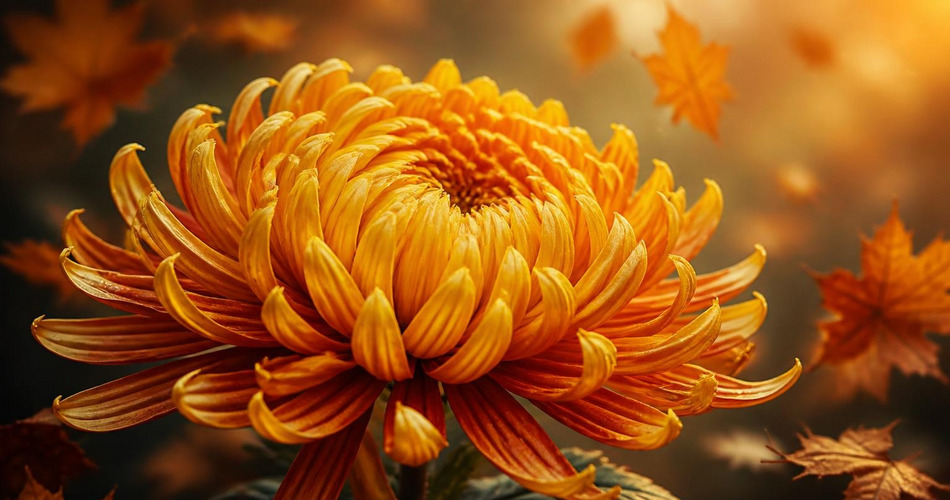
- Gold/Orange: Energy, enthusiasm, and the autumn harvest. Reflects the original golden chrysanthemum.
Frequently Asked Questions
Q: What does a chrysanthemum symbolize in Japan?
A: In Japan, the chrysanthemum symbolizes the sun, perfection, rejuvenation, and the imperial family. It is the national flower and appears on the imperial seal.
Q: Why are chrysanthemums associated with death in some cultures?
A: In many European countries, chrysanthemums became associated with death in the 19th century because they were widely used to decorate graves on All Saints’ Day. Their late-blooming nature also linked them to the end of life.
Q: Are chrysanthemums lucky or unlucky?
A: It depends on the culture. In East Asia, they are considered lucky and symbolize longevity and happiness. In parts of Europe, they are considered unlucky if given as gifts because of their funerary associations.
Q: Can chrysanthemums be used in weddings?
A: In East Asian weddings, chrysanthemums are sometimes used to symbolize a long and happy marriage. In Western weddings, they are less common due to death associations, but white or pink chrysanthemums can be used for a fall-themed wedding.
Related Symbols
- Plum blossom – Another of the Four Gentlemen, symbolizing resilience and hope in winter.
- Orchid – Represents refinement, elegance, and the scholar in Chinese art.
- Bamboo – Symbol of flexibility, strength, and integrity.
- Sunflower – Shares the sun-like appearance and association with optimism and vitality.
- Marigold – Also used in Day of the Dead celebrations, linking to death and remembrance.