Briefly
The fig is a fruit loaded with symbolic meaning, often representing abundance, fertility, wisdom, and transformation. Across ancient civilizations, the fig tree was a sacred provider of food and shade, and its unique inverted flower (the fig is technically a syconium) made it a symbol of hidden knowledge and inner richness. In mythology, figs are linked to creation, enlightenment, and even betrayal, appearing in stories from the Garden of Eden to the Buddha’s enlightenment under a bodhi tree (a species of fig). Culturally, the fig embodies both sweet reward and the cycles of growth and decay, making it a powerful symbol for life’s deeper truths.
What Does Fig Symbolize?
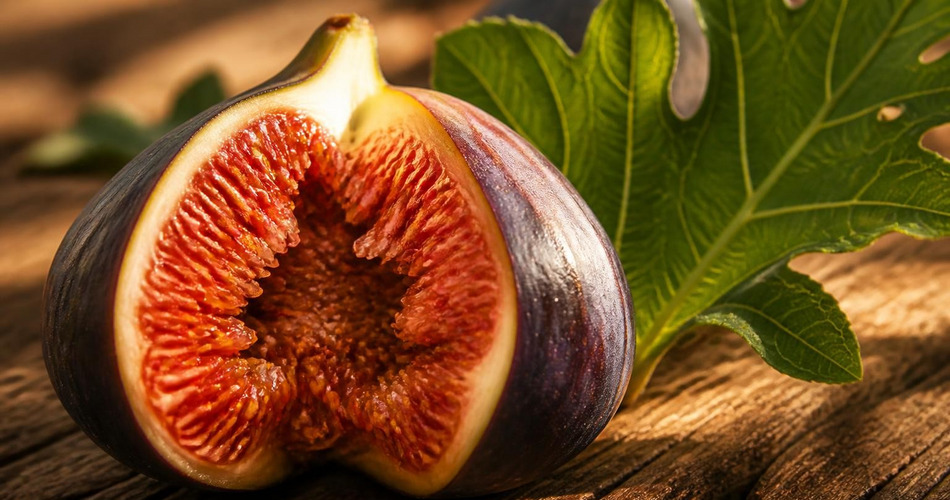
Fig symbolism centers on abundance and fertility. The fruit’s many tiny seeds represent prosperity, multiplication, and the potential for new life. In many traditions, the fig tree is a provider — its broad leaves offer shade, its fruit nourishes — so it symbolizes generosity and the fruits of one’s labor. Because the fig’s flower is hidden inside the fruit, it also stands for hidden knowledge, secrecy, and the revelation of inner truths. The fig’s sweetness ties it to pleasure, indulgence, and the rewards of patience, while its short shelf life and delicate nature remind of impermanence and the need to seize the moment. Overall, the fig bridges the material and the spiritual, evoking both earthly satisfaction and deeper wisdom.
Positive and Negative Meanings of Fig
Positive associations: Figs are overwhelmingly seen as positive symbols. They represent abundance, fertility, prosperity, and sweetness in life. In many cultures, offering a fig is a gesture of hospitality, friendship, and goodwill. The fig tree itself is a symbol of stability and shelter, while its fruit is a reminder of nature’s generosity. In spiritual contexts, figs signify enlightenment, hidden knowledge, and the unfolding of wisdom.
Negative meanings: On the negative side, the fig can symbolize deception or temptation when associated with the fig leaf in the story of Adam and Eve, where it was used to cover shame after the Fall. In the Bible, Jesus curses a fig tree that bears no fruit, making it a symbol of hypocrisy, barrenness, and judgment. The fig’s short ripening season can also represent fleeting opportunities or the perishability of worldly pleasures if not seized. In some folklore, overindulgence in figs is linked to gluttony and its consequences.
History and Origins of Fig Symbolism
The fig is one of the oldest cultivated fruits, with archaeological evidence dating back over 11,000 years to the Jordan Valley. Its symbolism emerged early in human history. In ancient Egypt, figs were a staple food and were often placed in tombs as offerings for the afterlife, symbolizing rebirth and sustenance. The Egyptian goddess Hathor was sometimes called the “Lady of the Sycamore,” a type of fig tree, linking the fruit to love, joy, and motherhood.
In ancient Greece and Rome, figs were a sacred fruit associated with Dionysus (Bacchus), the god of wine, ecstasy, and fertility. Fig branches were used in processions, and the fruit was believed to enhance fertility. The Greek philosopher Plato noted that figs were among the first cultivated orchard fruits, and they came to symbolize civilized life and abundance. Roman writers like Pliny the Elder recorded dozens of fig varieties, and the fruit was a symbol of prosperity and status. The fig tree also held a place in the founding myth of Rome — the suckling wolf Romulus and Remus were said to have rested under a fig tree, the Ficus Ruminalis, which became a sacred emblem of the city’s origins.
Fig Symbolism in Different Cultures
Ancient Greece and Rome
Figs were a common offering to Priapus and Dionysus. The fig was considered an aphrodisiac and a symbol of fertility and eroticism. In the context of the symposium, figs were a luxury food enjoyed by the elite. The Athenian tradition of sycophancy (literally “fig-shower”) originally referred to informers who denounced illegal fig exports, but the term evolved to mean flattery — a curious twist linking figs to both law and deceit.
Middle Eastern and Near Eastern Cultures
In the ancient Near East, the fig tree was a symbol of peace and security, as expressed in the biblical phrase “every man under his own vine and fig tree” (1 Kings 4:25). The fig was a staple crop and a sign of prosperity. In Islamic tradition, the fig is mentioned in the Quran (Surah At-Tin, “The Fig”) as one of the blessed fruits, along with the olive, symbolizing divine favor and the goodness of creation.
Asian Cultures
In Buddhism, the Bodhi tree (Ficus religiosa, a species of fig) is the tree under which Siddhartha Gautama attained enlightenment. Thus the fig tree symbolizes awakening, knowledge, and spiritual transformation. In Chinese culture, the fig is less prominent but viewed as a symbol of longevity and prosperity, partly due to its many seeds and sweet taste. In Hindu tradition, the sacred fig (peepal) is associated with the Trimurti (Brahma, Vishnu, Shiva) and is often planted near temples as a site for meditation and worship.
African Cultures
In various African societies, fig trees are considered sacred gathering places for community meetings and rituals. The massive roots and shade of the fig tree symbolize shelter, continuity, and the connection between ancestors and the living. The fruit is often a symbol of community and sharing.
Spiritual Meaning of Fig
Spiritually, the fig represents the union of the material and the divine. Its hidden flower (the fruit itself) is a metaphor for the soul’s inner truth that must be revealed through self-discovery. The fig’s sweetness is a reward for spiritual seeking. In Christian mysticism, the fig tree can symbolize the soul that must bear fruit — faith and good works — or risk being cut down. In Eastern traditions, the fig tree (especially the bodhi) is the seat of meditation and enlightenment, symbolizing the attainment of wisdom through stillness and discipline. The fig’s many seeds also represent the manifold paths to spiritual realization.
Fig in Myths and Folklore
In Greek mythology, the fig was sacred to Dionysus and was often used in rituals to invoke ecstasy and fertility. A myth tells of the hero Heracles (Hercules) who, after a labor, was offered figs by the people of Attica, beginning a tradition of offering figs as a thanksgiving. In another story, the god Priapus, known for his oversized phallus, was associated with figs, and offering a fig to him was a plea for fertility.
In Roman mythology, the aforementioned Ficus Ruminalis was the fig tree under which the she-wolf nursed Romulus and Remus. It became a symbol of Rome’s founding and its protective deities. The tree was considered a living emblem of the city’s destiny.
In Celtic folklore, the fig tree (where it grows) is often seen as a fairy tree, a shelter for spirits and a portal to the Otherworld. Hanging figs on doorways was believed to bring good luck and ward off evil.
In Islamic folklore, the fig is said to be one of the fruits of Paradise. Some traditions hold that the first fig leaves used by Adam and Eve were from a fig tree, making it a symbol of repentance and mercy as well as the Fall.
Fig in Dreams
Dreaming of figs is generally considered a positive omen. In historical dream interpretation, figs symbolize abundance, fertility, and the fulfillment of desires. Ripe figs suggest success, sweetness of life, and rewards for hard work. Unripe figs may indicate premature efforts or a need for patience. Dried figs can represent stored wisdom or past experiences that still nourish. If the dream involves eating figs, it often points to sensual pleasure, satisfaction, or the enjoyment of life’s simple joys. Damaged or rotten figs warn of missed opportunities, disappointment, or decay in some aspect of life. Fig trees in dreams symbolize grounding, stability, and the need to tend one’s roots or family.
Common Fig Dream Scenarios
- Eating ripe figs: Indicates that you are enjoying the fruits of your labor; a period of joy and satisfaction.
- Picking figs from a tree: Symbolizes harvesting rewards after a period of patience and effort.
- A withered or barren fig tree: Warns of neglect, unfulfilled potential, or spiritual dryness.
- Overripe or rotten figs: Suggests missed opportunities, overindulgence, or the end of a cycle.
- Sharing figs with others: Represents generosity, hospitality, or building connections.
- Seeing a fig tree in full leaf: Symbolizes shelter, protection, and strong family or community ties.
Fig in Superstitions and Omens
Figs appear in various folk beliefs. In Mediterranean regions, carrying a dried fig in one’s pocket is thought to attract money and good luck. In Italy, southern superstition holds that planting a fig tree near the house brings prosperity but also can attract lightning — a double-edged sign. In some traditions, fig leaves were used as talismans against the evil eye. A dream of figs falling from a tree was seen as an omen of a wedding or birth in the family. In contrast, finding a fig with worms inside was considered a warning of betrayal or hidden deceit.
Fig in Art and Literature
In Western art, the fig leaf is famously used to cover the genitals in depictions of Adam and Eve, most notably in Michelangelo’s works on the Sistine Chapel ceiling (later additions by other artists). The fig leaf thus became a symbol of modesty and shame. In Renaissance paintings, a bowl of figs often signified prosperity and the pleasures of the senses, appearing in still lifes by artists such as Caravaggio (e.g., “Basket of Fruit”) where the figs’ ripeness underscores the transient nature of life.
In literature, the fig tree appears in the Bible in several parables: the Parable of the Barren Fig Tree (Luke 13:6-9) teaches patience and the possibility of redemption. In D.H. Lawrence’s poem “Figs,” the fruit is a symbol of female sexuality and hidden interiority. In modern literature, Sylvia Plath’s poem “The Fig Tree” (from The Bell Jar) uses figs to represent the many possible life paths, each fig symbolizing a different future — the protagonist’s paralysis and inability to choose reflects her psychological struggle. In Khaled Hosseini’s The Kite Runner, the pomegranate is more central, but the image of a fig tree also appears as a place of childhood innocence and later loss.
In film, the fig tree appears in Terrence Malick’s The Tree of Life (2011) as a symbol of nature’s bounty and the interconnectedness of life. While not exclusively about figs, the film uses tree imagery to evoke creation and grace.
Fig Tattoo Meaning
Fig tattoos are less common but carry rich symbolism. They can represent fertility, abundance, and a connection to nature. A fig branch with leaves and fruit may symbolize growth, stability, and family roots. The hidden flower inside the fruit appeals to those who value inner truth and mystery. In some designs, the fig is paired with other elements like a knife (to cut the fruit) to symbolize the revelation of hidden knowledge. A single fig tattoo can be a subtle emblem of sensuality and the sweetness of life. The fig leaf tattoo, on the other hand, often relates to the story of Adam and Eve and can symbolize modesty, shame, or the desire to cover one’s past.
Meanings of Different Fig Varieties
- Common fig (Ficus carica): The most widespread, symbolizes everyday abundance, hospitality, and the Mediterranean lifestyle.
- Sycamore fig (Ficus sycomorus): In ancient Egypt, this fig tree was sacred to Hathor and symbol of shelter and eternal life.
- Bodhi tree (Ficus religiosa): The sacred fig of Buddhism, representing enlightenment, meditation, and spiritual awakening.
- Banyan tree (Ficus benghalensis): A fig species that becomes a massive tree with aerial roots, symbolizing immortality, the interconnectedness of life, and shelter.
- Black mission fig (a cultivar): The dark skin and rich sweetness symbolize mystery, depth, and hidden pleasures.
- Dried figs: Represent preservation of wisdom, patience, and the sweetness of memories.
Frequently Asked Questions About Fig Symbolism
Q: What does a fig tree symbolize in the Bible?
A: In the Bible, the fig tree symbolizes Israel and its fruitfulness (or lack thereof) as a reflection of faithfulness to God. The parable of the barren fig tree (Luke 13) shows God’s patience and mercy, while Jesus cursing the fruitless fig tree (Mark 11) represents judgment on hypocrisy.
Q: Why is the fig considered a symbol of knowledge?
A: The fig’s hidden flower — its fruit is actually an inverted inflorescence — has long been a metaphor for hidden knowledge and inner truth. In Buddhism, the fig tree (Bodhi) is the site of the Buddha’s enlightenment, directly linking figs to supreme wisdom. In the West, the fig leaf in Eden connects the fig to the knowledge of good and evil.
Q: Is the fig a symbol of good luck?
A: Yes, in many cultures figs are considered lucky. In Italy and Greece, dried figs are carried for prosperity, and a fig tree near the home is a sign of blessing. In Islamic tradition, the fig is a blessed fruit mentioned in the Quran. Its many seeds symbolize abundance, which naturally associates it with good fortune.
Q: What does dreaming of figs mean?
A: Dreaming of figs generally signifies abundance, satisfaction, and the fulfillment of desires. Ripe figs point to success and enjoyment, while unripe or rotten figs warn of impatience, missed opportunities, or decay. A fig tree in a dream often represents family roots and stability.
Related Symbols
- Pomegranate: Similarly associated with fertility, abundance, and the underworld.
- Olive: Another Mediterranean fruit symbolizing peace, wisdom, and divine blessing.
- Apple: The fruit of knowledge and temptation in Western tradition, paralleling the fig’s role in Eden.
- Grape: Sacred to Dionysus, like the fig, and representing ecstasy, transformation, and sacrifice.
- Banyan Tree: A fig species symbolizing immortality and the interconnectedness of life, especially in Indian traditions.
- Wheat: Symbol of sustenance, harvest, and cycles of life, much like the fig in agricultural symbolism.