Briefly
Watermelon is one of the most widely recognized symbols of summer, abundance, and refreshment. Its large size, sweet red flesh, and high water content give it strong associations with fertility, vitality, and the rewards of patience. At the same time, its juicy interior hidden inside a hard rind has inspired interpretations about secrecy, temptation, and the contrast between outward appearance and inner nature. Across cultures, the watermelon carries both joyful and cautionary meanings, making it a rich symbol in food traditions, folklore, and art.
What Does Watermelon Symbolize?
The most common symbolism of watermelon centers on abundance and the pleasures of the harvest. A ripe watermelon is heavy with juice and sweetness, so it naturally represents generosity, prosperity, and the fruitful results of careful cultivation. Because watermelons ripen in the hottest part of the year, they are also tied to summer celebrations, picnics, and shared meals, strengthening their role as a symbol of hospitality and communal joy.
Watermelon is also a powerful fertility symbol. Its many seeds and its ability to grow rapidly on spreading vines connect it to ideas of growth, multiplication, and new life in several cultural traditions. In some regions, the fruit is included in wedding customs or given as a gift to wish a family many children.
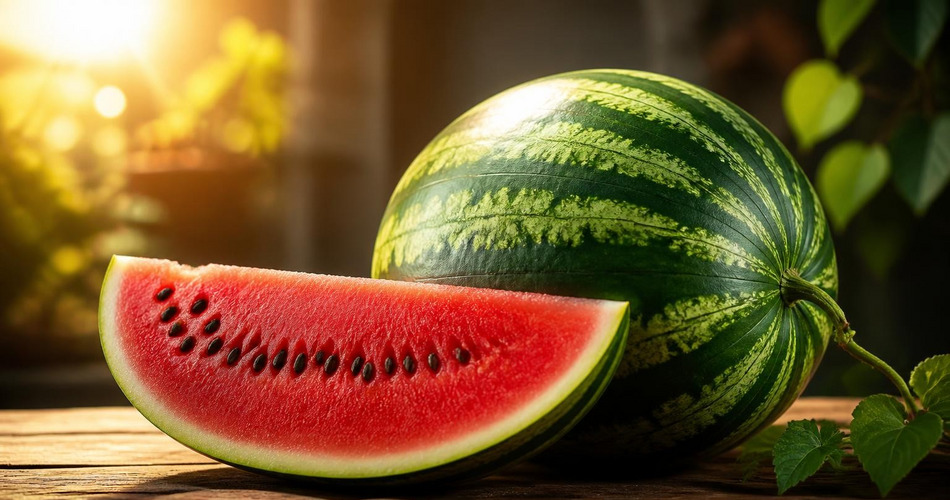
Another layer of meaning comes from the watermelon’s structure: a plain, hard rind hiding a bright red, sweet interior. This contrast has made the fruit a symbol of hidden beauty, surprise, or even guarded emotions. The act of cutting open a watermelon — revealing what is hidden inside — can symbolize honesty, disclosure, or the arrival of something long awaited.
Positive and Negative Meanings
Positive associations: Watermelon is overwhelmingly linked to positive ideas in everyday life. It stands for refreshment, relief from heat, and simple happiness shared with others. Its sweetness and juiciness evoke childhood memories, summer vacations, and carefree moments. In symbolic terms, it can represent abundance, generosity, fertility, good luck, health, and the joy of reaping what one has sown. The fruit’s round shape and red interior also connect it to the heart, warmth, and love.
Negative meanings: Less common but still present are cautionary meanings. The watermelon’s hard shell can symbolize emotional walls or a pleasant exterior hiding something unpredictable. In some folk traditions, eating too much watermelon is associated with greed or indulgence. Because the fruit is perishable and its sweetness is brief, it can also symbolize impermanence and the fleeting nature of pleasure. In certain contexts, watermelon has been used as a stereotyped or derogatory image, which is an important historical example of how an everyday symbol can be distorted by prejudice.
History and Origins of Watermelon Symbolism
Watermelon is an ancient fruit with origins in Africa, where wild relatives still grow today. Historical evidence, including seeds found in Egyptian tombs and depictions on ancient walls, suggests that watermelons were cultivated in the Nile Valley more than four thousand years ago. In ancient Egyptian culture, the fruit’s sweet taste and high water content made it a valued food, and it was sometimes placed in tombs as provision for the afterlife.
From Africa, watermelon spread to the Mediterranean region, the Middle East, and later to Asia and Europe. It became especially popular in China, where the fruit has been grown for over a thousand years. Chinese culture came to regard watermelon as a symbol of summer, prosperity, and good fortune; the round shape and many seeds were seen as signs of completeness and abundance. In the Islamic world, watermelon was mentioned in botanical and medical writings, and it was appreciated for its cooling properties in hot climates.
The fruit arrived in the Americas through the transatlantic exchange, where it was adopted by European colonists and eventually by enslaved Africans, who brought their own knowledge of watermelon cultivation. This complex history later influenced the fruit’s symbolic meanings, both positive and negative, especially in the United States.
Watermelon Symbolism in Different Cultures
In China, watermelon is a traditional summer fruit and a symbol of good fortune. Because its round shape resembles the moon and its red flesh suggests happiness, watermelon is often eaten during festive gatherings. It is also given as a gift during the hot months to express care for family and friends. The Mandarin word for watermelon, xigua, appears in phrases and customs related to cooling down and enjoying the season.
In Japan, watermelon is a popular summer treat and the centerpiece of a traditional game called suikawari, in which a person is blindfolded, spun around, and guided by voices to split a watermelon with a stick. The game is a symbol of summer fun, teamwork, and lighthearted celebration. Watermelon is also offered in some Shinto rituals as a gesture of gratitude for a good harvest.
In the Middle East, watermelon has been prized for centuries as a cooling fruit in hot climates. It often appears at family meals, weddings, and celebrations. In some Persian traditions, watermelon is associated with the coming of spring and the renewal of life, served during seasonal festivals as a symbol of freshness and hope.
In Africa, particularly in regions where the fruit originated, watermelon has deep agricultural and cultural roots. It is valued not only as food but also as a source of water in dry seasons. In some communities, the fruit’s ability to thrive under difficult conditions makes it a symbol of resilience and survival.
Spiritual Meaning of Watermelon
In spiritual terms, watermelon is often associated with the heart and with emotional openness. Its red flesh and sweet juice call to mind love, warmth, and the nourishing power of sincere feeling. Cutting a watermelon open can be seen as a symbolic act of revealing one’s inner self or welcoming others with honesty and generosity.
The fruit’s many seeds also carry a spiritual meaning of potential and growth. Just as a single watermelon contains hundreds of seeds, a person may carry countless possibilities within. In this reading, watermelon encourages patience with the natural pace of growth and trust that what is planted will one day bear fruit.
Watermelon’s high water content links it to themes of cleansing and renewal across several traditions. Eating watermelon in hot weather restores the body, and symbolically it can represent spiritual refreshment — the kind of inner coolness and clarity that comes from returning to simple, life-giving sources.
Watermelon in Myths and Folklore
While watermelon does not play a central role in many ancient myths, it does appear in folk tales and proverbs around the world. In some African traditions, the vine’s rapid growth and large fruit are celebrated in stories that emphasize patience, wonder, and the unexpected rewards of humble beginnings. A small seed, once planted and cared for, can produce something far larger than expected — a theme that appears in several parables and sayings.
In Chinese folklore, the watermelon is sometimes featured in stories about the moon and the Mid-Autumn Festival. Its round shape and sweet center have made it a natural companion to mooncakes and other festive foods, reinforcing ideas of reunion, wholeness, and shared abundance.
In Mediterranean folk traditions, watermelon rinds were sometimes used in humorous tales or as symbols of wasted effort — a reminder that a pleasant appearance does not always guarantee value inside. Such stories used the fruit as a gentle warning against judging by outer looks alone.
Watermelon in Dreams
In dream interpretation, watermelon is generally read as a positive sign connected to health, pleasure, and emotional fulfillment. Because the fruit is sweet and refreshing, dreaming of eating watermelon can symbolize a period of contentment, the enjoyment of simple pleasures, or the arrival of good news.
A whole watermelon in a dream may represent abundance or a secret that has not yet been revealed. The dream may be pointing to a source of potential — something that is growing quietly and will soon be ready to be shared. Conversely, a cut watermelon already reveals what is inside, which can suggest clarity, honesty, or a relationship that has reached a stage of openness.
Some dream sources also connect watermelon to fertility and family life, especially when the dreamer sees many fruits or ripe melons in a field. In that context, the dream can be an expression of creative potential, the wish for children, or the desire to nurture new projects.
Common Watermelon Dream Scenarios
- Eating a ripe, sweet watermelon: often seen as a sign of joy, satisfaction, or a period of emotional and physical nourishment.
- Cutting open a watermelon: may symbolize revealing hidden feelings, discovering the truth, or making a decision visible to others.
- Buying or receiving a watermelon: can indicate an upcoming gift, opportunity, or blessing related to family, health, or work.
- A watermelon that is rotten or bitter inside: might point to disappointment, hidden problems, or a relationship that looks good on the surface but lacks substance.
- A field of watermelons: often represents abundance, fertility, or many possibilities waiting to be cultivated.
- A watermelon rolling or moving on its own: in some folk dream traditions, this is a playful image suggesting that change is coming quickly and will be difficult to stop.
Watermelon in Superstitions and Omens
Watermelon appears in a number of folk superstitions, many of which center on the fruit’s seeds, sweetness, and seasonal timing. In some regions, a particularly sweet watermelon was thought to be a sign that the household would enjoy good fortune in the coming months. In others, sharing watermelon with a neighbor was believed to strengthen friendship and bring mutual luck.
Seed-related superstitions vary widely. Because watermelon seeds are numerous and every seed can grow into a new vine, they are sometimes used in folk rituals connected with wishes or fertility. In some traditions, the number of seeds in a watermelon was read as a playful omen for the number of children a family might have.
There are also cautionary superstitions. In some European folk customs, an overripe or hollow-sounding watermelon was considered a bad omen, warning that a plan would end in disappointment. The practice of tapping a watermelon to judge its ripeness may itself have roots in this folk belief — the sound tells whether the fruit is truly full or empty inside.
Watermelon in Art and Literature
Watermelon has appeared in visual art for centuries, most famously in still-life painting. European painters of the 16th and 17th centuries, particularly in Italy and Spain, sometimes included cut watermelon in their still lifes to display wealth, the abundance of nature, or the passing of time. A slice of watermelon, with its bright red flesh and dark seeds, was a striking subject that allowed artists to explore color, texture, and the contrast between the fruit’s rough exterior and its vivid interior.
In American popular art and advertising of the late 19th and early 20th centuries, watermelon was often depicted in ways that reflected both nostalgia and racial stereotype. These images, unfortunately, shaped some of the fruit’s lingering negative associations and are now studied by historians as examples of how visual symbols can carry deeply problematic meanings.
In contemporary art, watermelon has been reclaimed by many artists as a playful, bold, and culturally rich subject. The fruit regularly appears in still-life photography, pop art, and illustration, where it is used to evoke summer, nostalgia, or the vibrant sensuality of everyday life.
Watermelon Tattoo Meaning
Watermelon tattoos are relatively uncommon but steadily popular, especially among people who want a bright, cheerful image connected to summer and happy memories. The most straightforward meaning is a love of the fruit itself and everything it represents — warmth, fun, and the carefree side of life.
In tattoo symbolism, the watermelon can also carry more personal meanings. Its red flesh is associated with the heart, passion, and emotional honesty, while its many seeds can represent growth, potential, or the start of a new phase. A tattoo of a whole watermelon may symbolize wholeness or a protective outer self, whereas a slice reveals a person’s willingness to be open and seen.
Meanings of Different Watermelon Varieties
Different watermelon varieties can shift the symbolic reading slightly, although the core meanings remain the same.
- Seedless watermelon: often associated with convenience, modernity, and a smoother experience. Symbolically, it may represent a life with fewer obstacles or the transition from tradition to comfort.
- Yellow-fleshed watermelon: less common but visually distinctive. Its golden color is often connected to warmth, optimism, and the sun, giving it a slightly more cheerful and rare symbolic flavor.
- Round watermelon: the classic shape, linked to wholeness, the moon, and completeness. It is the form most often used in festive and ceremonial contexts.
- Oval or elongated watermelon: more common in commercial farming; its symbolism focuses less on the shape and more on practicality and abundance.
- Mini or personal watermelons: symbolize individual joy, self-care, and the idea that good things can come in smaller packages.
Frequently Asked Questions
Q: What does watermelon symbolize?
A: Watermelon symbolizes summer, abundance, fertility, refreshment, and simple happiness. It also carries secondary meanings of hidden beauty, emotional openness, and the fleeting nature of pleasure.
Q: Is watermelon a lucky symbol?
A: In many cultures, yes. In China and other parts of East Asia, watermelon is associated with good fortune, prosperity, and reunion, especially during summer festivals and family gatherings.
Q: What does it mean to dream about watermelon?
A: Dreaming of watermelon usually signals joy, health, or emotional fulfillment. A whole watermelon may indicate hidden potential or a secret, while a cut one suggests honesty and openness.
Q: Why is watermelon associated with fertility?
A: Because a single watermelon produces hundreds of seeds and grows quickly on spreading vines, it naturally became a symbol of fertility, growth, and new life in several cultural traditions.
Q: Does watermelon have any negative symbolism?
A: In some folk traditions, watermelon can symbolize greed, indulgence, or disappointment — especially when the fruit looks good outside but is rotten inside. It has also been used historically in demeaning racial stereotypes, which is why some images of watermelon carry complex meanings.
Related Symbols
- Melon: a broader symbol of abundance and refreshment, closely related to watermelon in meaning and growing habits.
- Pomegranate: another fruit associated with fertility, abundance, and hidden seeds.
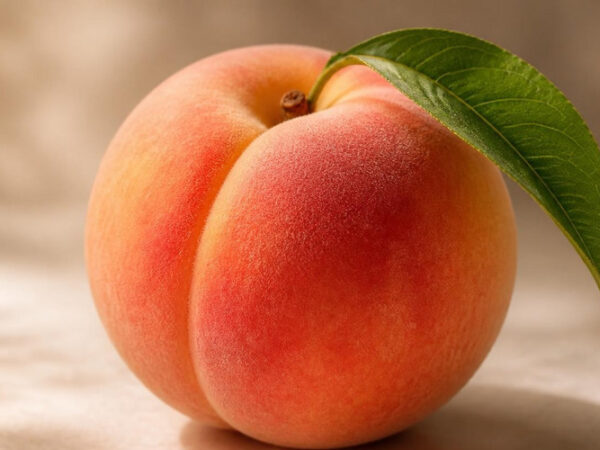
- Peach: a symbol of longevity, immortality, and renewal in East Asian traditions.
- Grapes: connected with harvest, celebration, and transformation.
- Apple: a fruit often linked with temptation, knowledge, and the contrast between appearance and inner truth.
- Sunflower: a summer image of warmth, vitality, and the joy of the sun.