Briefly
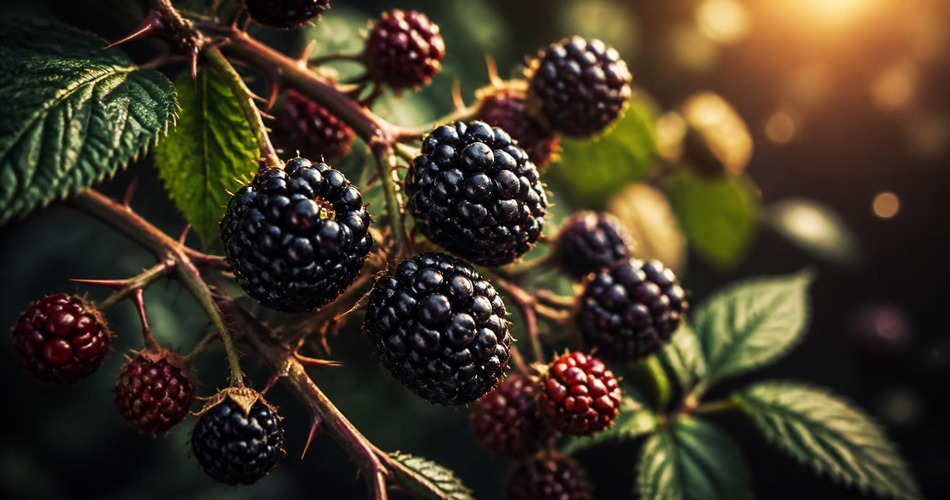
Blackberries have long symbolized abundance, protection, and the natural cycles of growth and decay. Their rich, dark color and brambly vines associate them with both sweetness and thorny obstacles. Found in European folklore and Christian tradition, the blackberry carries meanings ranging from healing and prosperity to caution and loss, depending on the context. Across cultures, the fruit represents the duality of nature—offering nourishment while demanding respect for its prickly defenses.
What Does Blackberry Symbolize?
The blackberry symbolizes abundance due to its prolific growth and generous harvests. Its tangled, thorny vines also represent protection—both physical and spiritual—as the brambles create natural barriers. Additionally, the blackberry’s seasonal cycle of ripening and decay reflects the passage of time and the inevitability of change. In many traditions, the fruit is linked to healing and vitality, as it has been used in folk medicine for centuries. The contrast between the sweet fruit and the sharp thorns makes the blackberry a powerful emblem of the rewards that come with overcoming obstacles.
Positive and Negative Meanings
Positive associations: Blackberries are often seen as symbols of fertility, prosperity, and natural sustenance. Their abundance in late summer and early autumn signifies a bountiful harvest and the fulfillment of nature’s cycles. The fruit is also associated with protective qualities—blackberry brambles were historically planted near homes to ward off intruders or evil spirits. In herbal medicine, blackberries have been used to treat ailments, reinforcing their ties to health and healing.
Negative meanings: The thorns of the blackberry bush can represent pain, danger, or the challenges that accompany growth. In European folklore, blackberries picked after a certain date (often September 29 or October 10) were considered cursed or tainted, linked to the devil’s intervention. The tangled, impenetrable nature of brambles can also symbolize confusion, entanglement, or being trapped by one’s circumstances. In Christian iconography, the thorns sometimes evoke the crown of thorns worn by Jesus, connecting the fruit to suffering and sacrifice.
History and Origins of Blackberry Symbolism
The symbolism of blackberries is deeply rooted in European agricultural and folk traditions. Ancient Greeks and Romans used blackberries for medicinal purposes, believing the fruit could soothe various ailments. In Celtic mythology, the blackberry was associated with the Otherworld and the faerie realm, and picking or eating them could invite supernatural encounters. During the medieval period in Britain, blackberries were often planted along property boundaries as a natural fence, reinforcing their protective symbolism. The folklore around blackberries being “cursed” after Michaelmas (September 29) likely originated from practical observation—after that time, the fruit becomes overripe or moldy, potentially making people sick. This practical wisdom evolved into a superstition that the devil had claimed the berries for himself.
Blackberry Symbolism in Different Cultures
In European folklore, particularly in the British Isles, blackberries are tied to the feast of Michaelmas. It was believed that after Michaelmas, the devil would spit or urinate on blackberries, making them unfit for consumption. This belief served to protect people from eating spoiled fruit. In Christian tradition, the blackberry’s thorns are sometimes linked to the crown of thorns, and the red color of unripe berries was seen as a symbol of Christ’s blood. Some medieval legends claimed that the blackberry bush was the source of the “burning bush” seen by Moses, though this is a minor interpretation. In Native American cultures, blackberries were used as food and medicine, and the plant’s tough vines were employed in basketry, symbolizing resourcefulness and adaptability. In modern Western contexts, blackberries often represent summer, nostalgia, and simple pleasures, frequently appearing in culinary and literary references to rural life.
Spiritual Meaning of Blackberry
Spiritually, the blackberry is often connected to protection and grounding. Its dense, thorny growth acts as a barrier against negative influences, and the fruit itself is seen as a gift from the earth. In some pagan and Wiccan traditions, blackberries are used in rituals for abundance, fertility, and warding off negativity. The plant’s ability to thrive in poor soil and its vigorous growth symbolize resilience and survival. The blackberry’s cycle of dying back in winter and regrowing in spring also makes it a symbol of renewal and the promise of new life after hardship.
Blackberry in Myths and Folklore
In Celtic mythology, blackberries were considered faerie food, and eating them could lead one into the faerie realm. It was thought that picking blackberries after dusk or during certain moon phases might anger the faeries. In English folklore, the superstition about blackberries “going bad” after Michaelmas is widespread. A related legend says that the devil was cast out of heaven and landed on a blackberry bush, cursing it as he fell. The story varies, but the devil’s spittle, urine, or simply his presence is said to render the berries inedible after that date. In Scandinavian folklore, the blackberry plant was associated with the goddess Freya, and the fruit was linked to love and fertility. These tales underscore the blackberry’s dual nature: a source of sweetness and a reminder of nature’s limits and dangers.
Blackberry in Dreams
Dreaming of blackberries often relates to abundance, temptation, or difficult choices. The fruit’s sweetness may represent rewards or pleasures, while the thorns can indicate obstacles or painful situations that must be navigated. As with many dream symbols, the specific context and emotions in the dream are key to interpretation. Blackberries in dreams may also reflect a need for patience, as the fruit requires time to ripen.
Common Dream Scenarios
- Picking blackberries: Often signifies reaping rewards after effort, but the thorns may warn of hidden challenges or disappointments.
- Eating blackberries: Can symbolize enjoyment of life’s simple pleasures or indulgence in something sweet, but overindulgence may reflect guilt or imbalance.
- Seeing a thorny blackberry bush: May represent a protective barrier or a difficult situation that requires careful navigation.
- Rotten or spoiled blackberries: Could indicate missed opportunities, decay, or the need to let go of something that has passed its prime.
Blackberry in Superstitions and Omens
Blackberries feature prominently in European superstitions. The most widespread belief is that blackberries should not be picked after Michaelmas (September 29) because the devil has claimed them. In some regions, the prohibition extends to October 10. Another superstition holds that bringing blackberry branches into the house invites misfortune or quarrels, possibly due to the thorns. In parts of Ireland, it was said that if you eat blackberries during the month of August, you will be protected from illness for the coming year. These beliefs reflect a blend of practical wisdom (avoiding spoiled fruit) and cultural storytelling (the devil’s curse).
Blackberry in Art and Literature
Blackberries appear in various works of literature, often evoking themes of nature, nostalgia, and the rural landscape. In the poem “Blackberry-Picking” by Seamus Heaney (1966), the author describes the intense joy of picking blackberries as a child, followed by the disappointment of finding them moldy the next day. The poem uses the fruit as a metaphor for the fleeting nature of pleasure and the inevitability of decay. In John Keats’ poem “To Autumn” (1820), blackberries are implied among the “fill all fruit with ripeness to the core,” symbolizing the fullness of the season. In contemporary art, blackberries are sometimes depicted in still-life paintings as emblems of summer abundance and transient beauty, though specific named works are less common.
Meanings of Different Types, Colors, or Variations
- Ripe blackberries (deep purple/black): Represent fullness, maturity, and the peak of abundance.
- Unripe blackberries (red or green): Symbolize potential, patience, and the waiting period before reward.
- Wild blackberries: Often associated with untamed nature, freedom, and the wildness of the countryside.
- Cultivated blackberries: May represent domestication, control, and the pleasures of deliberate cultivation.
Frequently Asked Questions
Q: What does a blackberry symbolize in love?
A: In some cultures, blackberries are associated with fertility and sensuality due to their sweet taste and many seeds, but they are not a direct symbol of romantic love.
Q: Is the blackberry a symbol of protection?
A: Yes, the thorny vines of blackberry bushes have historically been used as natural barriers, making them a symbol of protection from physical and spiritual harm.
Q: Why are blackberries considered unlucky after Michaelmas?
A: This superstition likely arose because blackberries spoil after that date, making them unsafe to eat. In folklore, the devil is said to claim them, reinforcing the warning.
Q: Can blackberries appear in spiritual or religious contexts?
A: Yes, in Christianity the thorns are sometimes linked to the crown of thorns, and in pagan traditions they are used in protection and abundance rituals.
Related Symbols
- Thorns: Represent pain, protection, and the duality of beauty and danger.
- Raspberry: A similar bramble fruit often symbolizing sweetness and abundance.
- Bramble: The plant itself, a symbol of wildness and resilience.
- Autumn: The season of blackberry harvest, representing harvest, change, and preparation for winter.