
Briefly
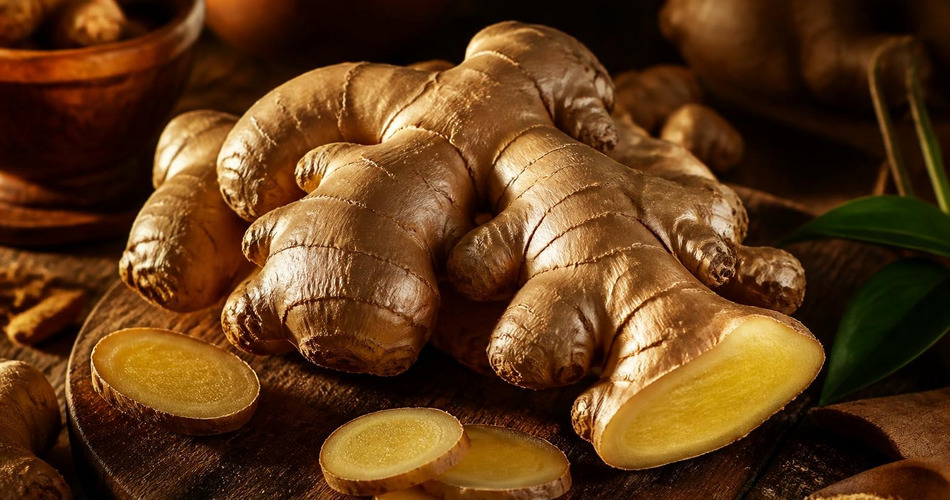
Ginger is a pungent, warming root that has been valued for centuries not only as a spice and medicine but also as a powerful symbol. Across many cultures, ginger represents protection, healing, love, and prosperity. Its fiery nature is associated with energy, passion, and purification, while its ability to stimulate digestion and circulation links it to vitality and renewal. At the same time, ginger can carry negative connotations of irritation, aggression, or excessive heat when its qualities are unbalanced.
What Does Ginger Symbolize?
Ginger primarily symbolizes protection and warmth. In many traditions, the root is carried or placed in the home to ward off negative energies, evil spirits, and illness. Its sharp, invigorating scent is thought to cleanse spaces and people of stagnant or harmful influences. Ginger also represents love and passion, often used in love spells and rituals to attract a partner or strengthen romantic bonds. The root’s association with the sun and fire element gives it a strong connection to courage, confidence, and personal power.
Additionally, ginger symbolizes prosperity and abundance. In some cultures, it is used in money-drawing rituals or placed in cash registers to attract wealth. Its ability to stimulate the body’s systems makes it a symbol of health, vitality, and longevity. Ginger’s role in traditional medicine as a remedy for nausea, inflammation, and colds reinforces its meaning as a protective and restorative force.
Positive and Negative Meanings
Positive associations: Ginger is widely seen as a beneficial symbol. It represents warmth, energy, and vitality, encouraging action and enthusiasm. Its protective qualities make it a popular tool for warding off negativity and promoting safety. In relationships, ginger is linked to passion, romance, and fidelity. It also symbolizes success, wealth, and good fortune, especially in business matters. On a spiritual level, ginger is used for purification, cleansing, and raising vibrational energy during rituals.
Negative meanings: When ginger’s fiery energy is excessive or misdirected, it can symbolize aggression, irritability, or conflict. Its intense nature may represent a tendency toward anger or impatience. In some contexts, ginger’s sharpness can be associated with harsh words or criticism. Overuse of ginger in magical or medicinal practices might be seen as disruptive, causing imbalance rather than harmony. These negative aspects remind us that even beneficial energies need moderation.
History and Origins of Ginger Symbolism
Ginger (Zingiber officinale) is native to Southeast Asia and has been cultivated for over 3,000 years. Its symbolic meanings developed alongside its practical uses. Ancient Indian and Chinese cultures prized ginger as a warming medicine and a spiritual purifier. In Ayurveda, ginger is considered a universal remedy, balancing the body’s energies and enhancing digestion—qualities that translated into symbols of health and vitality. In Traditional Chinese Medicine, ginger is used to dispel cold and dampness, reinforcing its association with warmth and protection.
Ginger was one of the first spices traded along the Silk Road, reaching the Middle East, Africa, and Europe. In medieval Europe, ginger was a luxury item, often used in festive foods and believed to ward off plague. Its high value made it a symbol of wealth and status. By the 16th century, ginger was widely used in European folk magic for love, protection, and prosperity spells. The root’s long history of cross-cultural exchange has enriched its symbolism, blending Eastern and Western interpretations.
Ginger Symbolism in Different Cultures
In Indian culture, ginger is deeply embedded in Ayurveda and daily life. It symbolizes health, purification, and the fire element (agni). Fresh ginger is used in cooking and as a remedy, while dried ginger is employed in rituals to invoke energy and protection. In Hindu ceremonies, ginger may be offered to deities as a symbol of devotion and vitality.
In Chinese culture, ginger represents warmth, yang energy, and longevity. It is often given as a gift during the Lunar New Year to wish recipients good health and prosperity. Ginger is also used in traditional medicine to balance the body and ward off illness, reinforcing its protective symbolism. The phrase «eat ginger every day» reflects its association with sustained well-being.
In African and Afro-Caribbean traditions, ginger is used in spiritual baths, incense, and offerings to cleanse and protect. It is associated with love, passion, and attracting positive energy. In some Hoodoo and folk magic practices, ginger is used in money-drawing mojo bags or sprinkled around the home for prosperity. The root’s strong, warming qualities make it a staple in rituals for empowerment and courage.
In European folklore, ginger was believed to protect against evil spirits and the evil eye. It was often carried in amulets or placed in cradles to safeguard infants. Gingerbread, a popular treat, became associated with Christmas and festive protection—gingerbread houses were thought to offer shelter and good luck. The root’s association with warmth and comfort made it a symbol of home and hospitality.
Spiritual Meaning of Ginger
Spiritually, ginger is a powerful tool for purification and raising energy. Its fiery nature is used to cleanse auras, spaces, and objects of negative vibrations. Ginger incense or essential oil is burned during meditation or rituals to increase focus, courage, and spiritual connection. The root is also used in spells for love, passion, and sexual energy, as it is believed to ignite desire and strengthen emotional bonds.
Ginger’s association with the solar plexus chakra (Manipura) ties it to personal power, confidence, and will. Working with ginger can help overcome fear, indecision, and lethargy, promoting a sense of empowerment. In some spiritual traditions, ginger is used in initiation rites or ceremonies marking new beginnings, symbolizing the spark of life and transformation.
Ginger in Myths and Folklore
Ginger appears in various myths and folk tales, often as a protective or transformative agent. In Southeast Asian folklore, ginger is sometimes said to have been created by gods to protect humans from illness and evil spirits. In European fairy tales, such as the Brothers Grimm’s «Hansel and Gretel,» the gingerbread house represents both temptation and shelter—its sweet, spicy aroma lures children but also provides a place of refuge (though the witch’s intentions are malevolent). This duality mirrors ginger’s own symbolic range from protection to danger.
In Caribbean folklore, ginger is used in protective charms and baths to repel bad luck and spiritual attacks. Stories tell of warriors chewing ginger before battle to gain strength and courage. In some African traditions, ginger is part of rituals to honor ancestors, its warmth symbolizing the enduring connection between the living and the dead.
Ginger in Dreams
Dreaming of ginger often carries positive connotations related to warmth, healing, and energy. It may indicate a need for stimulation or a desire to ignite passion in one’s life. Ginger in dreams can also symbolize protection, suggesting that the dreamer is being shielded from harm or that they need to take protective measures. On a negative note, ginger might appear in dreams when the dreamer is feeling irritable or overwhelmed, reflecting the root’s association with excessive heat or aggression. As with all dream symbols, context is key: the form of ginger (fresh, dried, ground) and the dreamer’s feelings during the dream provide deeper insight.
Ginger in Superstitions and Omens
- Carrying ginger in a pocket or purse is believed to attract money and good luck.
- Placing ginger under a pillow is said to promote passionate dreams and protect against nightmares.
- Burning ginger as incense is thought to cleanse a home of negative energy and bring harmony.
- Giving ginger as a gift symbolizes wishes for health, prosperity, and love.
- Spilling ginger is sometimes considered a bad omen, indicating arguments or irritation ahead.
- Eating ginger before a journey is believed to protect travelers and prevent seasickness.
Ginger in Art and Literature
Ginger appears in several notable works of art and literature. In the fairy tale «Hansel and Gretel» by the Brothers Grimm, the gingerbread house is a central symbol—its edible, spiced construction represents both temptation and the comforts of home, while also hiding danger. This story has been adapted into countless illustrations, films, and operas, cementing ginger’s association with childhood wonder and caution.
In visual art, ginger is often depicted in still-life paintings from the Dutch Golden Age, where exotic spices like ginger symbolized wealth, global trade, and the pleasures of the table. Artists such as Pieter Claesz and Willem Claeszoon Heda included ginger in their banquet pieces, emphasizing its status as a luxury item. In modern times, ginger appears in culinary art and photography, representing warmth, comfort, and exotic flavor.
Ginger Tattoo Meaning
Ginger tattoos are relatively uncommon but carry strong symbolic weight. A ginger root tattoo can represent protection, vitality, and a connection to one’s roots or heritage. It may also symbolize passion, courage, and the ability to overcome challenges. Some people choose ginger tattoos as a tribute to their cultural background, especially if ginger plays a significant role in their traditional cuisine or medicine. The fiery color and shape of ginger can be stylized in various ways, often combined with flames or sun motifs to emphasize its warming energy.
Meanings of Different Types of Ginger
- Fresh ginger root symbolizes vitality, purity, and direct energy. It is used in rituals for immediate protection and healing.
- Dried ginger represents endurance and sustained warmth. It is often used in long-term spells for prosperity or love.
- Ground ginger powder symbolizes transformation and versatility. It can be sprinkled in spells for quick results or added to incense for purification.
- Crystallized or candied ginger represents sweetness and comfort, often associated with nurturing and self-care.
- Ginger essential oil is used in spiritual practices for cleansing, raising energy, and enhancing psychic awareness.
Frequently Asked Questions
Q: What does ginger symbolize in love spells?
A: Ginger is used in love spells to ignite passion, attract a partner, and strengthen existing relationships. Its warming energy is believed to stimulate romantic feelings and fidelity.
Q: Can ginger be used for protection?
A: Yes, ginger is a powerful protective herb. It is carried, burned, or placed in the home to ward off negative energies, evil spirits, and illness.
Q: Is ginger associated with any particular chakra?
A: Ginger is linked to the solar plexus chakra (Manipura), which governs personal power, confidence, and will. It can help activate and balance this energy center.
Q: What does it mean to dream of ginger?
A: Dreaming of ginger often symbolizes warmth, healing, and passion. It may indicate a need for energy or protection, or reflect feelings of irritation if the ginger is overwhelming.
Q: How is ginger used in spiritual cleansing?
A: Ginger can be burned as incense, added to bath water, or used in a smudge blend to purify a space or aura. Its sharp scent is believed to dispel stagnant or negative energy.
Related Symbols
- Turmeric – Similar protective and purifying root, associated with the sun and healing.
- Cinnamon – Warming spice linked to love, prosperity, and spiritual elevation.
- Garlic – Protective herb used to ward off evil and negative influences.
- Sun – Represents vitality, energy, and life force, echoing ginger’s fiery nature.
- Fire – Element associated with transformation, passion, and purification.