Briefly
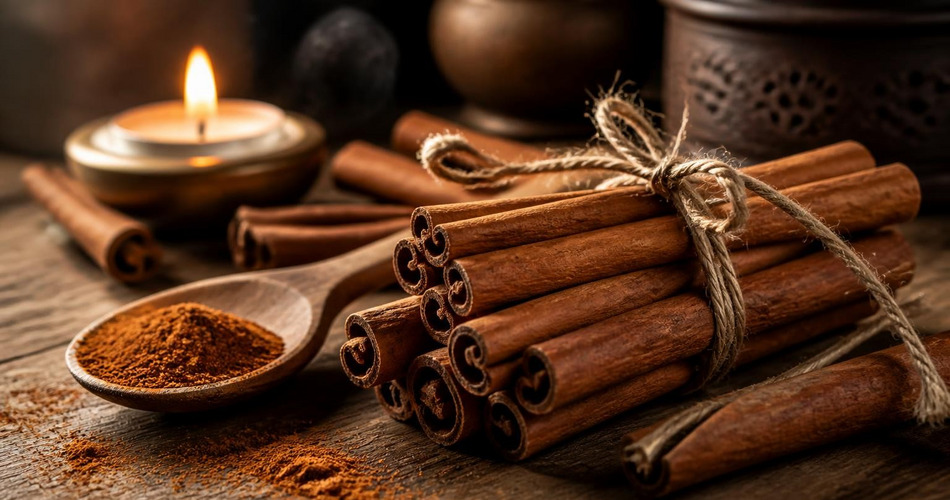
Cinnamon is a spice that has been prized for millennia not only for its sweet, warming flavor but also for its potent symbolic meanings. Across cultures, it represents wealth, prosperity, and abundance due to its historical value as a luxury trade good. At the same time, cinnamon is deeply associated with purification, protection, and spiritual elevation, often used in religious ceremonies and healing practices. Its rich scent and warm color also evoke comfort, passion, and vitality, making it a multifaceted symbol in human experience.
What Does Cinnamon Symbolize?
Cinnamon primarily symbolizes warmth, both literal and figurative. Its association with fire and heat—derived from its spicy taste and reddish-brown hue—links it to energy, passion, and creativity. In many traditions, cinnamon also stands for abundance and prosperity, a meaning rooted in its history as a rare and expensive spice traded along ancient routes. Additionally, cinnamon carries strong connotations of purification and protection; it has been burned as incense to cleanse spaces and ward off negative influences. Finally, its use in love rituals and aphrodisiacs ties cinnamon to romance and desire.
Positive and Negative Meanings
Positive associations: Cinnamon is widely regarded as a symbol of abundance, prosperity, and good fortune. Its warm, comforting aroma promotes feelings of security and well-being. In spiritual contexts, cinnamon is used to purify spaces, attract positive energy, and enhance meditation. It also symbolizes passion and vitality, often employed in love spells or rituals to strengthen romantic bonds.
Negative meanings: Historically, cinnamon’s high value led to associations with greed and exploitation, as the spice trade drove colonialism and conflict. On a personal level, an overabundance of cinnamon can symbolize excess or indulgence, and its fiery nature may sometimes represent uncontrolled anger or impulsiveness. In dream interpretation, too much cinnamon might warn of overstimulation or burnout.
History and Origins of Cinnamon Symbolism
Cinnamon’s symbolism is deeply intertwined with its history as one of the world’s most coveted spices. Native to Sri Lanka (Ceylon) and parts of Southeast Asia, cinnamon was traded across the ancient world via the Silk Road and maritime routes. In ancient Egypt, cinnamon was used in embalming rituals and as an offering to the gods, symbolizing resurrection and eternal life. The Romans considered it a luxury item, burning it at funerals to signify status and purification. During the medieval period, cinnamon remained a symbol of wealth and power, often kept under lock and key. Its journey from a rare commodity to a common kitchen spice mirrors broader themes of globalization and cultural exchange.
Symbolism of Cinnamon in Different Cultures
In Chinese culture, cinnamon (known as rou gui) is associated with warmth and vitality used in traditional medicine to balance chi and promote circulation. It symbolizes harmony and health. In Indian culture, cinnamon is a key ingredient in many Ayurvedic remedies and is considered a symbol of prosperity and hospitality; it is often included in wedding rituals to bless the couple with abundance. In Western esoteric traditions, cinnamon is burned as incense for purification, protection, and to attract success and love. Its fiery nature aligns it with the element of fire and the Sun, representing creative energy and divine light. In African diaspora traditions like Hoodoo, cinnamon is used in money-drawing spells and to bring good luck.
Spiritual Meaning of Cinnamon
Spiritually, cinnamon is a powerful tool for purification and raising vibrational energy. Its warm, stimulating scent is believed to clear negative energy from a space and open the mind to higher wisdom. Many practitioners use cinnamon in meditation to enhance focus and connect with the solar plexus chakra, which governs personal power and confidence. Cinnamon is also associated with protection; burning cinnamon sticks or powder is thought to create a barrier against psychic attacks. In dream work, cinnamon can signal a need for warmth, comfort, or a boost in motivation.
Cinnamon in Myths and Folklore
Cinnamon appears in several ancient myths and folk beliefs. In Greek mythology, the phoenix was said to build its nest from cinnamon twigs and spices, linking cinnamon to rebirth and immortality. In biblical texts, cinnamon is mentioned multiple times as a precious ingredient in holy anointing oil (Exodus 30:23) and as a symbol of love and desire in the Song of Solomon (4:14). Medieval European folklore held that cinnamon could protect against evil spirits and bring good fortune to a household. In Arab folklore, cinnamon was considered an aphrodisiac and a cure for various ailments, often incorporated into love charms.
Cinnamon in Dreams
Dreaming of cinnamon can carry several meanings depending on the context. Feeling the scent or taste of cinnamon in a dream often symbolizes warmth, comfort, and emotional fulfillment. It may indicate a period of prosperity or a need to reconnect with one’s passions. However, if the cinnamon is overwhelming or burnt, it could warn of excess, conflict, or a situation that is too intense. To dream of buying or receiving cinnamon suggests upcoming good fortune or a rewarding endeavor.
Common Dream Scenarios
- Smelling cinnamon: A sign of pleasant surprises, harmony at home, or a romantic interest.
- Eating cinnamon: Indicates a desire for comfort or indulgence; may also reflect a need for more passion in life.
- Burning cinnamon: Represents purification—letting go of negative emotions or past burdens.
- Finding cinnamon sticks: Symbolizes hidden talents, resources, or opportunities coming to light.
- Spoiled or moldy cinnamon: Warrns of wasted potential, missed opportunities, or unresolved issues.
Cinnamon in Superstitions and Omens
- Good luck charm: Carrying a cinnamon stick in your wallet is believed to attract money and abundance.
- Protection ritual: Burning cinnamon on New Year’s Day is thought to bring good luck and drive away negative energy for the year ahead.
- Love omen: If you accidentally drop cinnamon while cooking, it is said to predict a new romance.
- Bad luck: Spilling ground cinnamon without cleaning it immediately might bring arguments or financial loss.
- Omens of change: A sudden strong smell of cinnamon with no source can be interpreted as a sign of spiritual presence or an impending shift.
Cinnamon in Art and Literature
Cinnamon appears in several notable works. In the Bible, it is listed among the ingredients for the holy anointing oil (Exodus 30:23) and is used poetically in the Song of Solomon to evoke sensuality and desirability. In ancient Egyptian texts, cinnamon is recorded as an ingredient in the embalming mixture, symbolizing preservation and the afterlife. In medieval European bestiaries, the phoenix myth references cinnamon as part of its nest, reinforcing themes of resurrection. In modern literature, cinnamon is sometimes used metaphorically to represent warmth, nostalgia, or the passage of time—for instance, in Gabriel García Márquez’s “One Hundred Years of Solitude,” the recurring scent of cinnamon is tied to the Buendía family’s history and magic. These examples demonstrate cinnamon’s enduring symbolic power across genres and eras.
Frequently Asked Questions
Q: What does cinnamon symbolize spiritually?
A: Spiritually, cinnamon symbolizes purification, protection, and the attraction of prosperity and love. It is often used in rituals to cleanse a space and raise energetic vibrations.
Q: Is cinnamon considered a symbol of wealth?
A: Yes, historically cinnamon was so valuable that it was used as currency and a status symbol. Today it still represents abundance and financial success in many folk traditions.
Q: What does it mean to dream about cinnamon?
A: Dreaming of cinnamon often indicates a need for warmth, comfort, or passion. It can also signal upcoming prosperity or a desire for spiritual cleansing.
Q: Can cinnamon be a negative symbol?
A: In excess, cinnamon can symbolize greed, overindulgence, or uncontrolled passion. Its history includes exploitation and conflict tied to the spice trade.
Q: Why is cinnamon used in love spells?
A: Cinnamon’s warming, stimulating properties and its association with desire and passion make it a common ingredient in love magic and aphrodisiac rituals.
Related Symbols
- Clove – similar warming, protective, and aphrodisiac properties
- Nutmeg – another valuable medieval spice with prosperity symbolism
- Frankincense – used for purification and spiritual connection in rituals
- Fire – cinnamon’s elemental association with heat, energy, and transformation
- Phoenix – mythical bird linked to cinnamon through its nest of spices and rebirth symbolism
- Gold – like cinnamon, historically a symbol of wealth and status