
Briefly
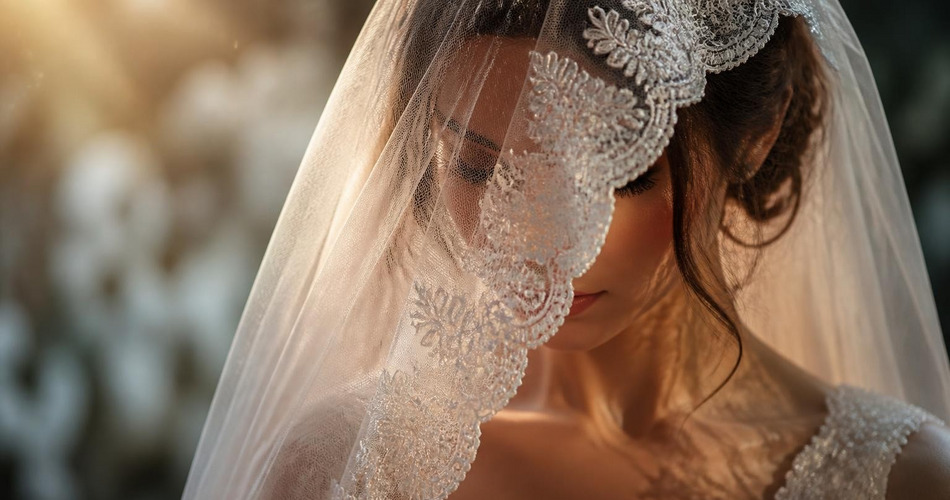
The wedding veil is a powerful symbol of purity, modesty, and the transition from maidenhood to married life. It also represents protection from evil spirits and the mystery of the bride’s identity before the union. Across cultures, the veil carries deep spiritual and social meanings, often linked to fertility, honor, and the sacred nature of marriage.
What Does the Wedding Veil Symbolize?
The wedding veil primarily symbolizes purity and innocence, a tradition rooted in ancient customs where the bride was considered a virgin and the veil served as a visible sign of her chastity. It also represents the bride’s submission to her husband in some traditions, though modern interpretations often emphasize the veil as a symbol of mystery and the unveiling of the bride’s true self to her partner. Additionally, the veil acts as a protective barrier, warding off evil spirits that might harm the bride or the marriage.
In many cultures, the veil signifies the bride’s transition from her family to her new husband’s family, marking a rite of passage. The act of lifting the veil during the ceremony symbolizes the groom’s acceptance of his bride and the revelation of her identity. The veil also embodies the concept of transformation, as the bride moves from one stage of life to another.
Positive and Negative Meanings
Positive associations: The wedding veil is often associated with purity, modesty, and the sacredness of marriage. It symbolizes the bride’s beauty and mystery, adding an element of romance and anticipation to the ceremony. In many traditions, the veil is believed to bring good luck and protect the couple from harm.
Negative meanings: In some contexts, the veil can be seen as a symbol of female subjugation, representing the bride’s loss of independence or her role as property transferred from father to husband. Historically, the veil also carried connotations of hiding the bride’s true self, which some modern brides reject as outdated.
History and Origins of the Wedding Veil Symbolism
The tradition of the wedding veil dates back to ancient Rome and Greece, where brides wore a flame-colored veil called the flammeum to protect themselves from evil spirits. The veil was also used in ancient Jewish weddings, where the groom would cover the bride’s face with a cloth to symbolize his commitment and protection. In medieval Europe, the veil became a symbol of the bride’s purity and her family’s wealth, often made of fine lace or silk.
Over time, the veil’s meaning evolved. During the Victorian era, the white veil became popular, representing innocence and the bride’s virginity. The tradition of the veil being lifted by the groom or father also emerged, signifying the transfer of authority. Today, the veil is often a personal choice, with many brides opting for veils that reflect their individual style while still honoring tradition.
Wedding Veil Symbolism in Different Cultures
In Western cultures, the white wedding veil is a standard symbol of purity and modesty, often worn during Christian ceremonies. In Eastern Orthodox weddings, the veil is sometimes replaced by a crown, but the concept of covering the bride remains. In Hindu weddings, the bride wears a dupatta or pallu over her head, which serves a similar symbolic purpose of modesty and protection. In Jewish weddings, the badeken ceremony involves the groom veiling the bride, symbolizing his commitment to cover and protect her.
In many African cultures, the veil is less common, but head coverings are used to signify respect and marital status. In some Middle Eastern traditions, the veil is a symbol of honor and family reputation, with the bride’s face covered until the marriage is official. Across cultures, the veil consistently represents the bride’s transition and the sanctity of the marital bond.
Spiritual Meaning of the Wedding Veil
Spiritually, the wedding veil is often seen as a connection to the divine. In Christian symbolism, the veil represents the church as the bride of Christ, with the bride’s veil echoing the spiritual purity required for union with God. The veil also symbolizes the mystery of faith and the unseen presence of the divine in the marriage sacrament. In some spiritual traditions, the veil is believed to protect the bride’s aura from negative energies during the vulnerable transition of marriage.
The act of unveiling is a spiritual metaphor for revelation and truth, as the bride’s true self is revealed to her partner and to God. The veil thus becomes a symbol of the sacred journey from the known to the unknown, from the individual to the united.
Wedding Veil in Myths and Folklore
In Greek mythology, the veil is associated with the goddess Hera, who was often depicted wearing a veil as a symbol of her marital status and authority. The veil also appears in the myth of Persephone, where her abduction by Hades is sometimes depicted with a veil representing her transition from maiden to queen of the underworld. In folklore, the veil was believed to protect the bride from evil spirits and curses, with the groom lifting the veil to break any enchantment.
In some European folk traditions, the veil was used in divination rituals to predict the bride’s future or to ensure fertility. The veil’s presence in myths often underscores its role as a boundary between the ordinary and the sacred, the seen and the unseen.
Wedding Veil in Dreams
Dreaming of a wedding veil often symbolizes a desire for commitment, purity, or a new beginning. It may reflect the dreamer’s feelings about marriage or a significant life transition. A veil in a dream can also represent hidden aspects of the self or secrets that are about to be revealed. If the veil is torn or dirty, it may indicate fears about the marriage or concerns about purity.
Common Dream Scenarios
- Wearing a wedding veil: Suggests the dreamer is ready for a commitment or is entering a new phase of life.
- Lifting the veil: Symbolizes revelation, truth, or the unveiling of hidden feelings.
- Veil blowing away: May indicate a loss of innocence or fear of exposure.
- Black veil: Often associated with mourning or a negative transformation.
Wedding Veil in Superstitions and Omens
Many superstitions surround the wedding veil. It is considered bad luck for the groom to see the bride in her veil before the ceremony, as it may invite misfortune. The veil should be worn for the entire ceremony to ensure protection. Some believe that if the veil touches the ground, it brings bad luck, so brides often keep it lifted. In some cultures, the veil is thought to capture the bride’s tears, symbolizing the sorrow she leaves behind. The color of the veil also carries superstitious meanings: a white veil is lucky, while a black veil is associated with widowhood.
Wedding Veil in Art and Literature
In art, the wedding veil appears in countless paintings, such as Jan van Eyck’s The Arnolfini Portrait (1434), where the bride’s veil symbolizes her purity and the sanctity of marriage. In literature, the veil is a recurring motif. For example, in Nathaniel Hawthorne’s short story The Minister’s Black Veil, the veil represents hidden sin and isolation, though not specifically a wedding veil. In Shakespeare’s The Taming of the Shrew, the veil is used as a symbol of submission and control. More recently, the veil appears in films like The Princess Bride and My Big Fat Greek Wedding, often highlighting cultural traditions and personal transformation.
Wedding Veil Tattoo Meaning
Wedding veil tattoos are relatively rare but can symbolize a bride’s commitment to her marriage or a personal transformation. A veil tattoo may represent the wearer’s desire for purity, protection, or a new beginning. It can also be a tribute to a loved one or a symbol of a significant life event. The design often incorporates lace patterns or a silhouette of a bride, emphasizing the veil’s delicate and transformative nature.
Meanings of Different Types, Colors, or Variations
- White veil: Symbolizes purity, innocence, and new beginnings.
- Ivory or cream veil: Represents elegance and tradition, often chosen for vintage-style weddings.
- Red veil: In some cultures, red symbolizes fertility, passion, and good luck.
- Black veil: Traditionally associated with mourning or a gothic aesthetic, but can also represent mystery and sophistication.
- Blusher veil: A short veil that covers the face, emphasizing the moment of unveiling.
- Cathedral veil: A long, dramatic veil that symbolizes grandeur and the bride’s importance.
Frequently Asked Questions
Q: What does the wedding veil symbolize in Christianity?
A: In Christianity, the veil symbolizes purity, modesty, and the bride’s submission to God and her husband. It also represents the church as the bride of Christ.
Q: Is it bad luck to see the bride in her veil before the wedding?
A: Yes, many superstitions hold that seeing the bride in her veil before the ceremony brings bad luck, as it may invite evil spirits or disrupt the marriage.
Q: Why do brides wear veils in Jewish weddings?
A: In Jewish weddings, the veil is part of the badeken ceremony, where the groom veils the bride to symbolize his commitment to protect and cover her, and to ensure he is marrying the right woman.
Q: Can a bride wear a veil if she is not a virgin?
A: Yes, modern brides often wear veils regardless of their sexual history. The veil’s meaning has evolved to focus on tradition, beauty, and personal expression rather than strictly purity.
Related Symbols
- Wedding ring – Symbolizes eternal commitment and unity.
- Bridal bouquet – Represents fertility, new life, and the bride’s emotions.
- Tiara or crown – Signifies royalty, honor, and the bride’s special status.
- White dress – Symbolizes purity and joy in many cultures.
- Garter – Traditionally a symbol of fertility and good luck.