Briefly
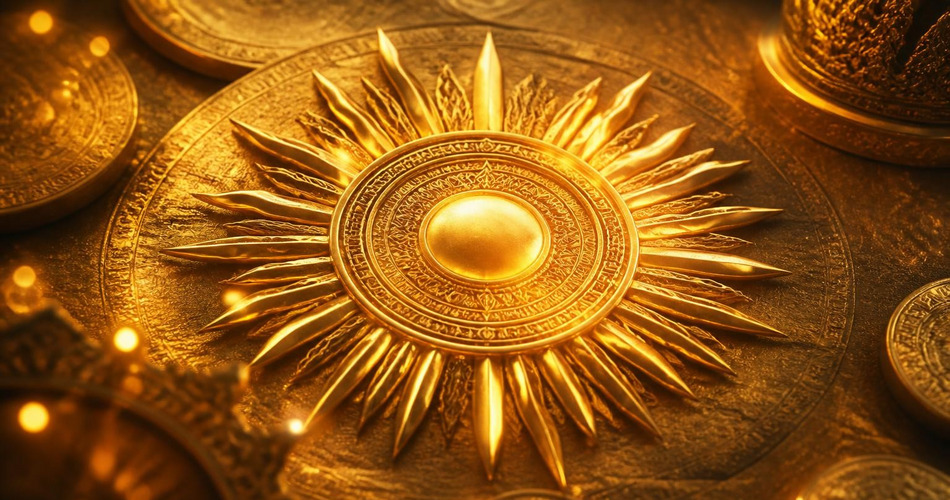
Gold color universally represents wealth, success, and high value. Its warm, luminous appearance links it to the sun, divine energy, and enlightenment. In many traditions, gold stands for purity of spirit and the highest achievement, yet it also warns against greed and materialism. The color’s rarity and permanence have made it a symbol of power, status, and eternal truth across civilizations.
What Does Gold Color Symbolize?
Gold color carries a broad range of positive meanings rooted in its visual qualities and historical importance. It represents wealth and prosperity, not only in material terms but also in spiritual richness. The color’s brightness and warmth tie it to the sun, making it a symbol of life, energy, and vitality. Gold also signifies success and achievement—think of gold medals, trophies, and awards that honor the highest accomplishment.
On a deeper level, gold symbolizes wisdom and enlightenment. In many traditions it is the color of divine truth, illumination, and the highest state of being. Its enduring luster suggests immortality and the eternal, unchanging nature of the soul.
Positive and Negative Meanings
Positive associations: Gold color is linked to triumph, optimism, and confidence. It evokes feelings of luxury, elegance, and refinement. In spiritual contexts it represents purity, divinity, and the attainment of higher consciousness. Its warmth can create a sense of comfort and security, much like sunlight.
Negative meanings: Because gold is so strongly tied to money and status, it can also symbolize greed, vanity, and excessive materialism. The phrase “golden calf” warns against idolizing wealth. Overuse of gold may feel ostentatious or superficial, and the color’s association with showiness can suggest a lack of authenticity.
History and Origins of Gold Color Symbolism
Gold’s symbolic power comes directly from the metal itself, one of the first materials humans prized for its beauty and rarity. Ancient civilizations mined gold as early as 4000 BCE in regions like Mesopotamia and the Balkans. Because gold does not tarnish or corrode, it became a symbol of eternity and incorruptibility.
In ancient Egypt, gold was considered the flesh of the gods, especially the sun god Ra. Pharaohs were buried with golden masks and treasures to ensure their immortality. The Greeks associated gold with the divine, using it in temples and statues of their deities. The Romans used gold coins as a measure of wealth and power, and the color became emblematic of imperial authority.
During the Middle Ages, gold leaf adorned illuminated manuscripts and religious icons, representing the light of God. Alchemists sought to create gold from base metals, seeing it as the perfect material—physically and spiritually. This quest further cemented gold color as the symbol of ultimate perfection and transformation.
Gold Color Symbolism in Different Cultures
Gold color holds remarkably consistent meanings across the globe, though each culture adds its own nuance.
In Chinese culture, gold (金色, jīn sè) symbolizes wealth, prosperity, and good fortune. It is the color of royalty and is prominently used in festivals like the Lunar New Year, where red and gold decorations attract luck and abundance. Gold also represents the element of metal in traditional Chinese philosophy.
In Indian culture, gold is sacred and associated with Lakshmi, the goddess of wealth and prosperity. Brides wear gold jewelry during weddings as a blessing for a prosperous married life. Temples are often adorned with gold leaf to honor the divine. The color also represents knowledge and learning, as it is linked to the goddess Saraswati.
In Japanese culture, gold appears in art and architecture to convey refinement and high status. The golden pavilion at Kinkaku-ji in Kyoto is a famous example of gold used to create a serene, otherworldly atmosphere. In the tea ceremony, gold utensils are prized for their beauty and imperfection.
In Western cultures, gold is the color of winners—Olympic gold medals, awards, and academic honors. It signifies success, achievement, and prestige. In Christianity, gold represents the glory of God and the purity of faith, as seen in halos and church decorations.
Spiritual Meaning of Gold Color
In spiritual contexts, gold color is often seen as the bridge between the earthly and the divine. It is the color of the crown chakra (Sahasrara) in Hindu and yogic traditions, representing enlightenment, connection to the universe, and pure consciousness. Meditating on gold light is believed to bring clarity and spiritual fulfillment.
Gold also appears in the concept of alchemy’s “Great Work,” where the transformation of base metals into gold symbolized the soul’s journey toward perfection. In many mystical traditions, gold is associated with the sun’s life-giving energy and the illumination of the mind. It is considered a protective color, used in amulets and talismans to ward off negative energies.
Gold Color in Myths and Folklore
Gold color appears prominently in myths worldwide, often tied to gods, heroes, and magical objects. The most famous is the Greek myth of King Midas, who wished that everything he touched would turn to gold. His story serves as a cautionary tale about greed—the golden touch nearly cost him his daughter and his humanity.
In Norse mythology, the gods possessed golden treasures like the ring Draupnir, which dripped gold rings every nine nights, symbolizing endless abundance. The rainbow bridge Bifröst was sometimes described as shimmering with gold. In Hindu mythology, the earth is said to rest on a golden lotus, and the celestial Mount Meru is made of gold, representing the center of the universe.
Folklore from many cultures includes tales of golden birds, fish, or eggs that bring fortune to those who find them—but also peril to the greedy. The “golden egg” in European fairy tales is a familiar motif of unexpected treasure and the danger of killing the source.
Gold Color in Art and Literature
Artists and writers have long used gold color to evoke luxury, divinity, or vanity. In visual art, gold leaf was extensively employed in Byzantine icons and medieval manuscripts, such as the Book of Kells, where gold backgrounds created a heavenly, timeless space. Renaissance painters like Gustav Klimt famously used gold in works like The Kiss and Portrait of Adele Bloch-Bauer I, where the metal’s shimmer highlights passion and opulence.
In literature, gold appears as a symbol of wealth and corruption. In F. Scott Fitzgerald’s The Great Gatsby, the color describes Daisy Buchanan as “the golden girl,” a figure of inaccessible wealth and social status. In The Lord of the Rings, the gold ring represents the corrupting allure of power. Ancient epics like the Iliad describe golden armor and temples, emphasizing the hero’s worth and the gods’ favor. The use of gold in these works consistently ties the color to both aspiration and moral risk.
Gold Color in Superstitions and Omens
Gold color appears in various superstitions, often as a sign of good luck. Finding a piece of gold is considered an omen of impending wealth or success. Some traditions hold that wearing gold jewelry can ward off evil spirits and bring protection.
However, there are also negative superstitions. Dreaming of losing gold is sometimes seen as a warning of financial loss. In some cultures, giving gold as a gift without proper wrapping is believed to bring bad luck. The superstition of the “evil eye” often uses gold-colored amulets to reflect harmful gazes, but the metal itself can attract envy if displayed too openly.
Gold Color in Dreams
Dreaming of gold color generally points to personal value, self-worth, or hidden talents. Because gold is precious, it often symbolizes something you treasure in your waking life—a relationship, a goal, or an aspect of yourself. The context of the dream provides more specific meaning.
Common Dream Scenarios
- Finding gold: Suggests you are discovering your own potential or that an opportunity for growth or wealth is approaching.
- Losing gold: May reflect fears of financial instability, loss of status, or a wasted talent.
- Receiving gold as a gift: Indicates recognition, appreciation, or a reward coming your way.
- Seeing a golden object or landscape: Points to a period of happiness, clarity, or spiritual awakening.
- Being covered in gold: Could symbolize transformation, but also warns against arrogance or materialism if the gold feels heavy or uncomfortable.
Frequently Asked Questions
Q: What does the color gold symbolize spiritually?
A: Spiritually, gold represents enlightenment, divine energy, and the crown chakra. It is associated with the sun, purity, and the highest state of consciousness.
Q: Is gold a warm or cool color?
A: Gold is a warm color, close to yellow and orange, and it evokes feelings of warmth, comfort, and optimism.
Q: What does gold mean in Chinese culture?
A: In Chinese culture, gold symbolizes wealth, prosperity, and good luck. It is often used in celebrations like the Lunar New Year and weddings.
Q: Why is gold used in religious art?
A: Gold leaf was used to represent the divine light, glory, and heaven. Its unchanging luster made it ideal for depicting sacred figures and holy spaces.
Q: Can gold color have negative meanings?
A: Yes, gold can symbolize greed, vanity, and excessive materialism. The myth of King Midas warns against the pursuit of wealth at the expense of humanity.
Related Symbols
- Gold (metal) – the source of the color’s symbolic weight
- Yellow – a similar warm color, symbolizing joy and caution
- Sun – shares gold’s associations with life, energy, and divinity
- Wealth – the most direct conceptual link
- Royalty – gold has been the color of kings and queens across cultures
- Alchemy – gold as the goal of perfection and transformation