Briefly
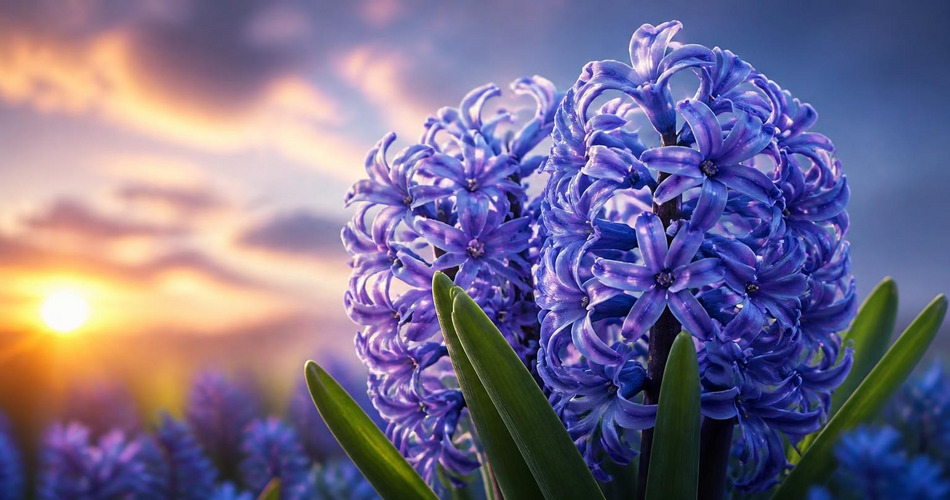
The hyacinth is a spring-blooming flower that carries a complex blend of meanings. In Greek mythology, it emerged from the blood of the youth Hyacinthus, symbolizing sorrow and rebirth. In Victorian flower language, hyacinths conveyed sincerity, playfulness, or mourning depending on color. Today, they are widely seen as symbols of rebirth, constancy, and the bittersweet nature of love and loss.
What Does Hyacinth Symbolize?
The hyacinth’s most enduring meaning is tied to the ancient Greek story of Hyacinthus, a handsome prince beloved by the god Apollo. When Zephyrus caused a discus to strike Hyacinthus fatally, Apollo created the hyacinth flower from his blood. This origin gives the flower a strong association with sorrow, transformation, and the cycle of death and rebirth. The hyacinth blooms in early spring, reinforcing its link to resurrection and new beginnings.
Beyond mythology, Victorian floriography assigned the hyacinth meanings of sincerity and constancy. Giving a hyacinth could express a deep, heartfelt emotion or a playful request for forgiveness. The flower also appears in Christian symbolism as a representation of prudence and peace of mind, due to its calming fragrance.
In modern contexts, hyacinths are often used in gardens and homes to welcome spring. They symbolize a hope for renewal after a difficult period. The flower’s dense cluster of star-shaped blooms is also seen as a symbol of unity and togetherness.
Positive and Negative Meanings
Positive associations: Hyacinths primarily symbolize rebirth, sincerity, and constancy. The flower’s spring emergence makes it a powerful emblem of hope and new beginnings. In Victorian language, a blue hyacinth could mean constancy and devotion, while a purple one often represented sorrow but also deep regret and a wish for forgiveness.
Negative meanings: The most prominent negative meaning is deep sorrow and mourning, rooted in the myth of Hyacinthus. In some contexts, hyacinths can also symbolize jealousy, especially in the language of flowers where yellow hyacinths expressed jealousy or a need to apologize. Additionally, the sweet but heavy fragrance of hyacinths has sometimes been associated with overwhelming or suffocating emotions.
History and Origins of the Symbolism
The hyacinth’s symbolic journey began in ancient Greece. The myth of Hyacinthus is one of the most poignant in classical mythology, and it directly connects the flower to themes of love, loss, and transformation. The story is recorded in Ovid’s Metamorphoses, where Apollo’s grief transforms the dead youth into a flower. This myth established the hyacinth as a symbol of tragic beauty and rebirth.
During the Victorian era, interest in floriography (the language of flowers) revived and expanded the hyacinth’s meanings. Floral dictionaries from the 19th century list multiple interpretations: blue hyacinth meant constancy, purple meant sorrow, white meant loveliness or prayers for someone, and yellow meant jealousy. This period cemented the hyacinth’s place in Western symbolic language.
In Christian tradition, the hyacinth is sometimes associated with the Virgin Mary, symbolizing her humility and purity. Its bell-shaped flowers have been seen as a call to prayer or a reminder of spiritual vigilance.
Symbolism in Different Cultures
In Greek culture, the hyacinth is inseparable from the Apollo myth. The flower was considered a symbol of the hero Hyacinthus and was used in rituals commemorating him. The Hyacinthia festival in Sparta honored Hyacinthus and celebrated the cycle of death and rebirth.
In Victorian England, the hyacinth was a popular garden flower and a frequent subject in floral arrangements. The meanings assigned by floriography were widely known and used in social communication. Giving a hyacinth could convey a message of regret, devotion, or playful love.
In Persian culture, the hyacinth (known as sumbul) is a symbol of spring and renewal. It appears in Persian poetry and art as a representation of beauty and the fleeting nature of life. The flower’s curled petals have been compared to the beloved’s hair.
Spiritual Meaning
Spiritually, the hyacinth represents the soul’s journey through grief to rebirth. Its emergence from the earth in early spring mirrors the concept of spiritual awakening after a period of darkness. The flower’s fragrance is often used in meditation and aromatherapy to promote calmness and clarity.
In some New Age practices, hyacinth is associated with the crown chakra, believed to facilitate connection to higher consciousness and divine love. The flower is also used in rituals for letting go of past pain and embracing new beginnings.
In Myths and Folklore
The central myth of the hyacinth is the story of Hyacinthus and Apollo in Ovid’s Metamorphoses. Hyacinthus was a Spartan prince of extraordinary beauty. Apollo cherished him and they spent time together hunting and playing sports. One day, while Apollo threw a discus, the jealous god Zephyrus (the west wind) blew the discus off course, striking Hyacinthus and killing him. Apollo, unable to reverse death, created a flower from Hyacinthus’s blood and inscribed the petals with the cry of grief “AI AI” (alas). Some versions say the flower bears the letters AI, while others say it is a larkspur rather than what we now call hyacinth. Regardless, the story firmly links the hyacinth to tragic love and transformation.
In European folklore, hyacinths were sometimes planted on graves to symbolize remembrance and the hope of resurrection. The flower’s ability to return each spring made it a natural emblem of eternal life.
In Art and Literature
The hyacinth myth appears in Ovid’s Metamorphoses (Book 10), which remains the primary literary source. The story has been retold and referenced by countless poets and writers.
In Renaissance painting, the death of Hyacinthus was depicted by artists such as Giovanni Battista Tiepolo in his work The Death of Hyacinthus (1752–1753), which shows Apollo mourning over the dying youth. Other artists like Antonio del Pollaiuolo also treated the subject.
In modern literature, T.S. Eliot alludes to the hyacinth in The Waste Land (1922), where the line “You gave me hyacinths first a year ago; They called me the hyacinth girl” evokes memory, lost love, and spiritual aridity. The hyacinth garden becomes a symbol of a lost paradisal state.
In Dreams
Dreaming of hyacinths can carry several meanings, often tied to the flower’s symbolic associations. A field of hyacinths may represent a period of growth and renewal ahead. Receiving a hyacinth in a dream could indicate a sincere apology or a deep emotional message. However, withered or dying hyacinths might signify unresolved grief or the end of a relationship.
Tattoo Meaning
Hyacinth tattoos are chosen for their layered symbolism. The flower can represent a personal experience of loss and recovery, making it a meaningful memorial tattoo. It may also symbolize sincerity, devotion, or a love that endures despite hardship. Blue hyacinth tattoos often emphasize constancy, while purple ones highlight the sorrow and beauty of a past relationship. Because of the myth, some wear the hyacinth as a tribute to a loved one who died young.
Meanings of Different Colors
- Blue hyacinth: Sincerity, constancy, and deep devotion. The most common color, it is often associated with faithfulness.
- Purple hyacinth: Sorrow, regret, and a plea for forgiveness. It can also symbolize royalty and spirituality.
- White hyacinth: Loveliness, purity, and prayers for someone. It is frequently used in weddings and religious ceremonies.
- Pink hyacinth: Playfulness, romantic interest, and joy. It carries a lighter, more flirtatious meaning.
- Yellow hyacinth: Jealousy or a request for forgiveness. In Victorian language, yellow hyacinths were used to express envy.
Frequently Asked Questions
Q: What does a hyacinth flower symbolize?
A: The hyacinth primarily symbolizes sorrow, rebirth, sincerity, and constancy, depending on cultural context and flower color.
Q: Why is the hyacinth associated with sadness?
A: The association comes from the Greek myth of Hyacinthus, whose death caused the flower to spring from his blood.
Q: What does a blue hyacinth mean?
A: A blue hyacinth symbolizes constancy, sincerity, and deep devotion.
Related Symbols
- Apollo – The god who created the hyacinth in grief.
- Hyacinthus – The youth whose blood formed the flower.
- Larkspur – A flower often confused with hyacinth in mythology.
- Iris – Another flower linked to Greek myth and messages.
- Lily – A symbol of purity and rebirth, similar to white hyacinth.