Briefly
The carriage is a historic mode of transport that has come to symbolize much more than mere travel. It represents a journey through life, social status and elegance, as well as transformation and transition. From royal processions to fairy-tale magic, the carriage evokes a sense of movement, refinement, and the passage from one state to another. Its imagery appears in art, literature, and folklore, often carrying deeper meanings about human experience.
What Does Carriage Symbolize?
At its core, a carriage symbolizes journey and progression. As a vehicle pulled by horses, it represents controlled movement and direction, often associated with a purposeful path in life. The carriage also embodies status and wealth, as historically only the affluent could afford private carriages. In many contexts, it signifies elegance, romance, and a bygone era of leisurely travel. Additionally, the carriage can symbolize transformation, as seen in the classic fairy tale where a pumpkin becomes a carriage, marking a dramatic change in fortune.
Positive and Negative Meanings
Positive associations: The carriage is linked to romance, adventure, and the excitement of a journey. It evokes images of grand processions, weddings, and fairy-tale endings. As a symbol of status, it conveys success, refinement, and social achievement. The carriage also represents freedom of movement and the ability to travel in comfort and style.
Negative meanings: On the darker side, the carriage can signify confinement or a lack of control, as passengers are dependent on the driver and horses. It may also represent outdated traditions or rigid social hierarchies. In some contexts, a broken or stalled carriage symbolizes failure, missed opportunities, or the end of a journey.
History and Origins of Carriage Symbolism
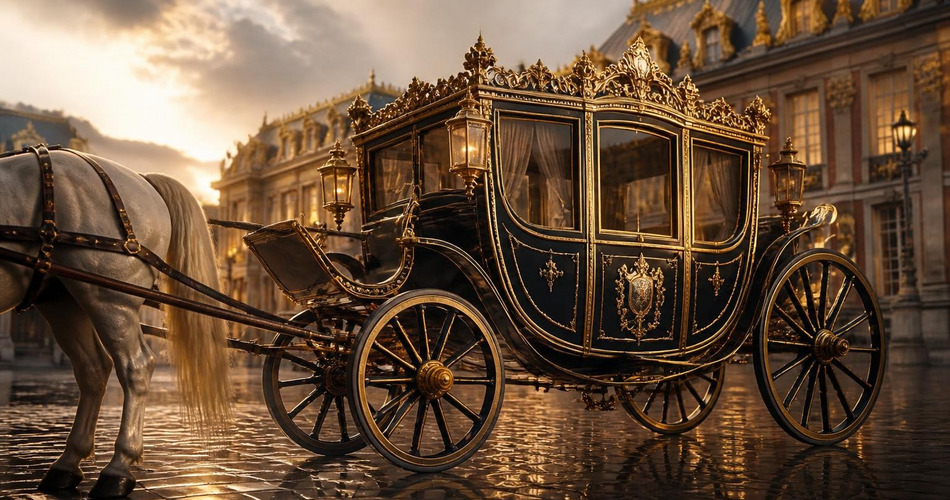
The carriage as a symbol has roots in ancient times when chariots and horse-drawn vehicles were used in warfare, ceremony, and daily transport. In ancient Rome, chariots were associated with triumph and victory. During the Renaissance and Baroque periods, ornate carriages became status symbols for European nobility, often decorated with family crests and elaborate carvings. The carriage’s symbolism as a marker of social standing grew during the 18th and 19th centuries, when owning a carriage was a sign of wealth. With the advent of the automobile, the carriage transitioned into a nostalgic symbol of elegance and a slower, more romantic era.
Carriage Symbolism in Different Cultures
In Western cultures, the carriage is deeply tied to fairy tales and royal imagery. The Cinderella story popularized the pumpkin carriage as a symbol of magical transformation and the fulfillment of dreams. In British culture, the royal carriage is a powerful emblem of monarchy and tradition, used in coronations and state openings. In Eastern cultures, such as in India, horse-drawn carriages (like the tonga) were historically used by the elite and appear in classical art as symbols of status and travel. In Chinese culture, the carriage (especially the imperial carriage) represented authority and the emperor’s connection to heaven.
Spiritual Meaning of the Carriage
Spiritually, the carriage can represent the soul’s journey through life. It symbolizes the vehicle of the self, guided by higher forces (the horses) and driven by the will. In some traditions, the carriage is a metaphor for the body carrying the spirit. The condition of the carriage—whether well-maintained or broken—reflects one’s spiritual state. The carriage also appears in meditation imagery as a means of traveling between worlds or states of consciousness.
Carriage in Myths and Folklore
The most famous myth involving a carriage is the fairy tale Cinderella, where a fairy godmother transforms a pumpkin into a golden carriage. This carriage symbolizes sudden transformation, opportunity, and the possibility of a new life. In Norse mythology, the chariot of the sun goddess Sól is pulled by horses, representing the daily journey of the sun across the sky. In Greek mythology, Helios’s chariot carries the sun, and Phaethon’s disastrous attempt to drive it symbolizes hubris and loss of control. These myths use the carriage or chariot as a vehicle for cosmic journeys and moral lessons.
Carriage in Art and Literature
Carriages appear in numerous works of art and literature as symbols of status, journey, and romance. In Pierre-Auguste Renoir’s painting The Carriage (also known as La Carriole), a horse-drawn carriage is depicted in a rural setting, evoking a sense of peaceful travel and connection to nature. In literature, the carriage is a central motif in Leo Tolstoy’s Anna Karenina, where train travel overshadows the carriage, but horse-drawn carriages still appear in scenes of aristocratic life. The most iconic literary carriage is the pumpkin carriage in Charles Perrault’s Cinderella, which has become a universal symbol of magical transformation. In film, carriages are often used in period dramas to establish historical setting and social class, such as in Pride and Prejudice adaptations.
Frequently Asked Questions
Q: What does a carriage symbolize in dreams?
A: In dream analysis, a carriage often represents one’s life journey, direction, or social status. A moving carriage suggests progress, while a broken carriage may indicate obstacles or loss of control.
Q: Is a carriage a symbol of wealth?
A: Yes, historically carriages were expensive and owned only by the wealthy, making them enduring symbols of affluence and social standing.
Q: What is the spiritual meaning of a carriage?
A: Spiritually, the carriage symbolizes the body as a vehicle for the soul, guided by higher forces. It represents the journey of life and the need for balance between control and surrender.
Related Symbols
- Chariot – a more ancient, war-oriented vehicle symbolizing victory and power
- Horse – the animal pulling the carriage, representing strength, freedom, and energy
- Wheel – a component of the carriage, symbolizing cycles and movement
- Journey – the broader concept of travel and life’s path
- Pumpkin – the transformed object in Cinderella, symbolizing potential and magic