Briefly
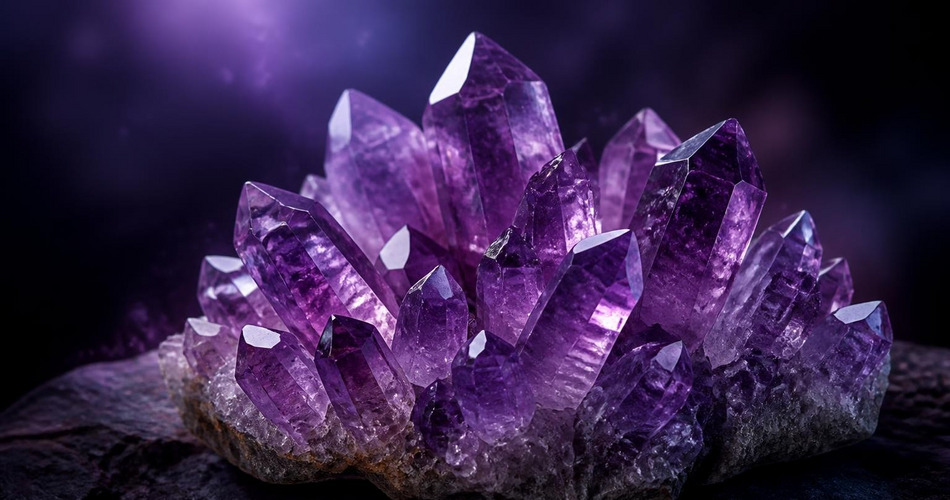
Amethyst is a violet variety of quartz that has been prized for millennia for its beauty and symbolic meanings. It is most commonly associated with clarity of mind, spiritual protection, and sobriety — both literal and metaphorical. The stone’s calming purple hue has led to its use as a tool for meditation and stress relief, while its historical reputation as a guard against intoxication made it a popular gem for rings and amulets. Across cultures, amethyst has represented royalty, wisdom, and a connection to the divine.
What Does Amethyst Symbolize?
At its core, amethyst symbolizes clarity — of thought, emotion, and spirit. Its translucent purple color evokes the balance between the passionate red and the calming blue, making it a stone of harmony and inner peace. The gem is also a powerful emblem of protection, believed to shield the wearer from negative energies and psychic attack. In many traditions, amethyst represents sobriety and moderation, a meaning reinforced by its name (from the Greek amethystos, meaning «not drunken»). Additionally, the stone is linked to spiritual awareness, intuition, and the opening of the third eye chakra.
Positive and Negative Meanings
Positive associations: Amethyst is widely regarded as a stone of tranquility and balance. It is thought to promote calmness, relieve stress, and enhance meditation practices. The gem is also associated with mental clarity, helping to cut through confusion and support decision-making. In spiritual contexts, amethyst is believed to strengthen the connection to higher realms and protect the aura from harm. Its purple color has long been linked to royalty and dignity, so the stone can also symbolize status and refined taste.
Negative meanings: Historically, amethyst’s connection to sobriety also carries a shadow: it can symbolize the struggle with addiction or the fear of losing control. In some superstitions, the stone was thought to bring bad luck if worn by someone who was dishonest or impure of heart. Over-reliance on amethyst for spiritual protection might be seen as a crutch, potentially blocking personal growth by encouraging avoidance rather than confrontation with challenges.
History and Origins of Amethyst Symbolism
The name amethyst comes from the ancient Greek word amethystos, meaning «not intoxicated». This origin story is rooted in a myth: the god Dionysus, angry at a mortal, vowed to unleash tigers on the next person he met. That person was a maiden named Amethyst, who was saved by the goddess Artemis by turning her into a pure white stone. Dionysus, remorseful, poured wine over the stone, staining it purple. This myth cemented amethyst’s reputation as a protector against drunkenness and excess. In ancient Egypt, amethyst was used for amulets and scarabs, while the Romans carved it into signet rings and goblets. During the Middle Ages, Christian bishops wore amethyst rings as a symbol of their authority and piety, and the stone was set into crucifixes and religious regalia. The gem was also one of the twelve stones on the breastplate of the High Priest of Israel, as described in the Book of Exodus.
Amethyst Symbolism in Different Cultures
In Ancient Greece and Rome, amethyst was a symbol of sobriety and clear-headedness. Drinking vessels carved from amethyst were believed to prevent intoxication, and the stone was often worn by those in positions of authority to maintain composure. In Chinese culture, amethyst is associated with wealth and good fortune, and is sometimes used in Feng Shui to attract positive energy. In Hindu and Buddhist traditions, the purple stone is linked to the crown chakra and is used in meditation to deepen spiritual awareness. In Christianity, amethyst represents humility and piety; its purple color echoes the robes of bishops and the penitential season of Lent. In Native American traditions, amethyst is considered a stone of protection and is used in ceremonies to connect with the spirit world.
Spiritual Meaning of Amethyst
In spiritual and metaphysical circles, amethyst is considered a high-vibration stone that facilitates connection to the divine. It is commonly used to open and activate the third eye and crown chakras, enhancing intuition and psychic abilities. The stone is believed to create a protective bubble around the aura, deflecting negative energies and psychic attacks. Meditating with amethyst is said to quiet the mind, making it easier to enter a state of deep contemplation or trance. Many practitioners also use amethyst to cleanse other crystals, as its energy is thought to be purifying. In Reiki and energy healing, amethyst is placed on the crown or third eye to promote spiritual growth and release emotional blockages.
Amethyst in Myths and Folklore
The most famous myth is the Greek story of Amethystos, which explains the stone’s name and its power against intoxication. In medieval European folklore, amethyst was believed to protect soldiers in battle and to help hunters avoid wild animals. It was also thought to cure insomnia and bring pleasant dreams. In some traditions, amethyst was placed under pillows to prevent nightmares. In Slavic folklore, the stone was considered a talisman against witchcraft and evil spirits. In Tibetan culture, amethyst is used in prayer beads (malas) to aid in mantra recitation and spiritual focus.
Amethyst in Dreams
Dreaming of amethyst is often interpreted as a sign of spiritual awakening or the need for greater clarity in one’s life. The stone’s appearance in a dream may indicate that the dreamer is seeking protection or a deeper connection to their intuition. If the amethyst is clear and bright, it suggests positive spiritual growth; if it is cloudy or cracked, it may point to confusion or emotional turmoil that needs resolution. Some dream analysts link amethyst dreams to sobriety issues, urging the dreamer to examine their relationship with substances or addictive behaviors.
Common Dream Scenarios with Amethyst
- Finding an amethyst: Discovering a new source of inner strength or spiritual insight.
- Wearing amethyst jewelry: A desire for protection or a reminder to stay grounded and clear-headed.
- Receiving amethyst as a gift: An offer of support or guidance from someone in your waking life.
- Losing or breaking an amethyst: Fear of losing one’s spiritual connection or a warning about neglecting inner peace.
- Seeing a large amethyst geode: A sign of abundant spiritual energy or a need to explore hidden depths of the psyche.
Amethyst in Superstitions and Omens
Throughout history, amethyst has been surrounded by superstitions. In medieval Europe, it was believed that wearing amethyst could prevent drunkenness and keep the wearer clear-headed in dangerous situations. Sailors carried amethyst to protect against storms and shipwrecks. In some cultures, the stone was thought to bring good luck in business dealings and to protect against thieves. A common omen: if an amethyst loses its color or becomes cloudy, it was said to have absorbed negative energy and needed to be cleansed. Conversely, a bright, clear amethyst was a sign of positive energy and spiritual alignment.
Amethyst in Art and Literature
Amethyst appears in the Bible (Exodus 28:19) as one of the twelve stones on the high priest’s breastplate, symbolizing the tribe of Issachar. In Renaissance art, amethyst was often used in paintings of the Virgin Mary and saints to denote purity and divine grace. The 19th-century poet Christina Rossetti wrote a poem titled «Amethyst» that explores the stone’s beauty and its association with love and loss. In modern popular culture, amethyst appears in fantasy literature such as J.R.R. Tolkien’s works, where gemstones often carry symbolic weight. The gem is also a recurring motif in the «Harry Potter» series, where it is used in protective amulets and potions.
Amethyst Tattoo Meaning
Amethyst tattoos are chosen for their spiritual and protective symbolism. The purple hue is often associated with royalty, creativity, and intuition. A tattoo of an amethyst crystal or geode can represent a commitment to sobriety, a connection to one’s higher self, or a desire for inner peace. Some people incorporate amethyst into larger designs with moons, stars, or mandalas to emphasize its mystical qualities. The stone’s faceted shape also lends itself to geometric tattoo styles, symbolizing clarity and order.
Meanings of Different Types or Variations of Amethyst
- Natural amethyst: The classic purple quartz, symbolizing spiritual awareness and protection.
- Amethyst geode: A hollow rock lined with amethyst crystals, representing hidden inner beauty and the potential for spiritual growth.
- Amethyst cluster: A group of crystals growing together, symbolizing community, harmony, and shared energy.
- Deep Siberian amethyst: A rare, dark purple variety, associated with intense spiritual power and royalty.
- Pale lavender amethyst: A lighter shade, linked to gentleness, emotional healing, and tranquility.
- Amethyst with hematite inclusions: Combines the grounding energy of hematite with the spiritual properties of amethyst, symbolizing balance between earth and spirit.
Frequently Asked Questions About Amethyst
Q: What is the main symbolism of amethyst?
A: The main symbolism of amethyst is clarity, sobriety, spiritual protection, and inner peace.
Q: Is amethyst associated with any zodiac signs?
A: Amethyst is traditionally linked to the zodiac signs Pisces, Aquarius, and Sagittarius, but it is used by people of all signs for its calming properties.
Q: Can amethyst help with sleep?
A: Many believe that placing amethyst under a pillow or near the bed promotes restful sleep and prevents nightmares, though scientific evidence is limited.
Q: How should I cleanse my amethyst?
A: Common methods include rinsing under lukewarm water, smudging with sage, or placing it in sunlight or moonlight for a few hours.
Q: What does the color of amethyst represent?
A: The purple color of amethyst represents royalty, spirituality, and the balance between the physical and spiritual realms.
Related Symbols
- Clear Quartz — amplifies energy and clarity
- Citrine — abundance and joy
- Rose Quartz — love and emotional healing
- Lapis Lazuli — wisdom and truth
- Purple — royalty and spirituality
- Third Eye Chakra — intuition and insight