Briefly
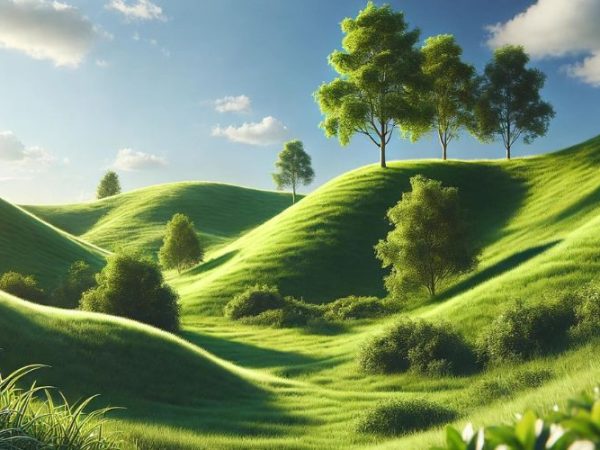
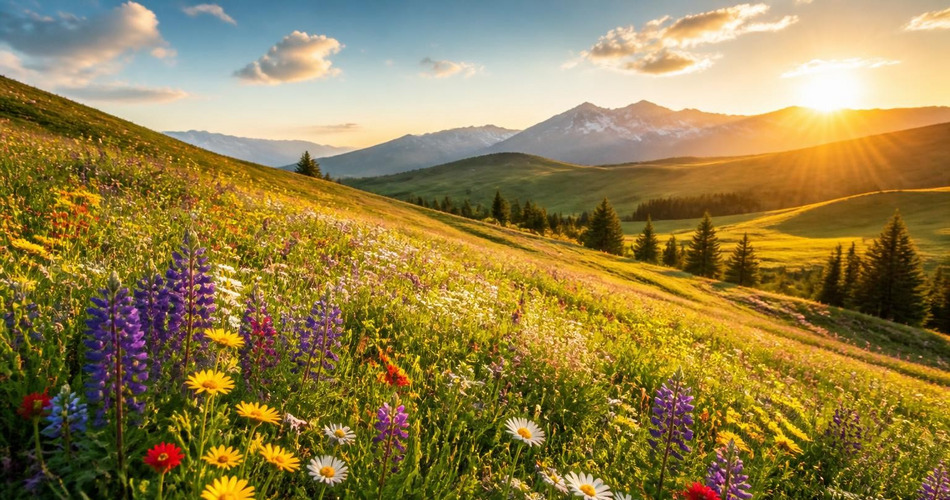
A meadow is an open, grassy landscape often dotted with wildflowers, evoking a sense of peace, natural beauty, and abundance. Symbolically, meadows represent fertility, renewal, and the harmonious balance of nature. They are commonly associated with pastoral life, freedom, and spiritual tranquility, offering a space for reflection and connection with the earth.
What Does Meadow Symbolize?
Meadows symbolize openness, peace, and the unspoiled beauty of nature. They are often seen as places of abundance, where wildflowers and grasses grow freely, supporting a rich ecosystem. The meadow represents fertility and life, as it is a vibrant habitat for plants, insects, and animals. Its wide, open space also conveys a sense of freedom and expansiveness, inviting exploration and contemplation.
In many cultural contexts, meadows are linked to the cycle of seasons, particularly spring and summer, symbolizing growth, renewal, and the fullness of life. They stand in contrast to cultivated fields or urban environments, embodying a wild yet gentle form of nature.
Positive and Negative Meanings
Positive associations: Meadows are overwhelmingly positive symbols. They evoke tranquility, peace, and a return to a simpler, more natural way of living. The abundance of flowers and grass signifies fertility, prosperity, and nourishment. Meadows also represent hope and new beginnings, as they are often the first places to bloom after winter.
Negative meanings: In some contexts, a meadow can symbolize vulnerability or exposure, as its openness offers no shelter. It may also represent transience, as meadows change with the seasons and can be overtaken by weeds or drought. In literature, a meadow might be a place of loss or longing, especially when depicted as abandoned or overgrown.
History and Origins of Meadow Symbolism
The symbolism of meadows dates back to ancient agricultural societies, where open grasslands were essential for grazing livestock and harvesting hay. In many cultures, meadows were seen as gifts from the gods, providing sustenance and beauty. The word meadow itself comes from Old English mædwe, meaning a field of grass, reflecting its practical and symbolic importance.
In classical antiquity, meadows were associated with nymphs and pastoral deities. The Greek god Pan and the Roman god Faunus were often depicted in meadow settings, representing the wild, untamed aspects of nature. Meadows also appear in early poetry, such as the idyllic landscapes described by Theocritus and Virgil, which established the pastoral tradition.
Meadow Symbolism in Different Cultures
In European folklore, meadows were considered liminal spaces between the wild and the cultivated, often inhabited by fairies or spirits. In Celtic mythology, meadows were sacred to the goddess of fertility and were places where magical events could occur. In East Asian cultures, particularly in Chinese and Japanese art, meadows (often depicted as grassy plains) symbolize harmony with nature and the beauty of the changing seasons.
In Native American traditions, meadows were seen as places of healing and vision quests, where one could connect with the spirit world. The open space allowed for clear communication with the earth and sky. In modern Western culture, meadows are often idealized in environmental movements as symbols of biodiversity and natural preservation.
Spiritual Meaning of Meadow
Spiritually, a meadow represents a place of peace, meditation, and connection to the divine. Its openness encourages a sense of freedom and release from worldly concerns. Many people find that spending time in a meadow fosters a feeling of grounding and spiritual renewal. In some traditions, meadows are seen as thresholds between the physical and spiritual worlds, where one can receive insights or guidance.
The abundance of wildflowers in a meadow is often interpreted as a sign of the universe’s generosity and the beauty of creation. Walking through a meadow can be a form of walking meditation, allowing the mind to quiet and the heart to open.
Meadow in Myths and Folklore
Meadows appear in myths and folklore as enchanted places where humans interact with supernatural beings. In Greek mythology, the Elysian Fields, a paradise for heroes, are described as lush meadows. In Norse mythology, the afterlife realm of Fólkvangr is a meadow where half of those slain in battle go. In Celtic folklore, meadows are the dwelling places of fairies and are often associated with the Otherworld.
In Slavic folklore, meadows are where rusalki (water nymphs) dance at night, and they are considered both beautiful and dangerous. In many European fairy tales, meadows are settings for transformations, meetings with magical creatures, or moments of revelation. These stories reinforce the meadow’s symbolism as a place of magic, mystery, and natural power.
Meadow in Dreams
Dreaming of a meadow often reflects a desire for peace, freedom, or a return to nature. It can indicate a period of calm and contentment in the dreamer’s life. A lush, green meadow may symbolize personal growth, fertility, or new opportunities. Conversely, a barren or withered meadow might suggest feelings of neglect, loss, or a need for renewal.
Common dream scenarios involving meadows include:
- Walking through a meadow: signifies a journey toward peace or self-discovery.
- Lying down in a meadow: represents rest, relaxation, and letting go of stress.
- A meadow full of flowers: indicates abundance, joy, and positive emotions.
- A meadow at dusk or night: may symbolize mystery, transition, or hidden aspects of the self.
Meadow in Art and Literature
Meadows have been a recurring subject in art and literature for centuries. In painting, one of the most famous examples is John Constable’s The Hay Wain (1821), which depicts a hay meadow in the English countryside, symbolizing rural peace and harmony with nature. The Impressionists, such as Claude Monet, often painted meadows with wildflowers, emphasizing light and color.
In literature, meadows appear in pastoral poetry from Virgil’s Eclogues to the works of William Wordsworth, who celebrated the beauty of the Lake District meadows. In children’s literature, meadows are often settings for adventure and innocence, as in Kenneth Grahame’s The Wind in the Willows, where the meadow is a place of friendship and discovery. These examples highlight the meadow’s enduring role as a symbol of natural beauty, simplicity, and emotional resonance.
Frequently Asked Questions
Q: What does a meadow symbolize in general?
A: A meadow generally symbolizes peace, abundance, fertility, renewal, and a connection to nature. It represents an open, harmonious space that invites reflection and growth.
Q: Is a meadow a positive symbol?
A: Yes, meadows are overwhelmingly positive symbols, associated with tranquility, prosperity, and spiritual renewal. Negative interpretations are rare and usually relate to exposure or transience.
Q: What does a meadow mean in dreams?
A: In dreams, a meadow often signifies a desire for peace, freedom, or a return to simpler times. It can indicate personal growth, contentment, or a need for rest and renewal.
Related Symbols
- Field – a cultivated version of the meadow, symbolizing agriculture and human labor.
- Forest – contrasts with the openness of a meadow, representing mystery and depth.
- Garden – a more controlled natural space, symbolizing cultivation and paradise.
- Grass – the fundamental element of a meadow, representing life and resilience.
- Pasture – a meadow used for grazing, symbolizing sustenance and pastoral life.