Briefly
A seed is a tiny vessel of immense potential, containing the genetic blueprint for a new plant and the promise of life. Symbolically, seeds represent beginnings, growth, renewal, and the cyclical nature of existence. They embody hope, fertility, and the idea that great things can come from small, humble origins. Across cultures and spiritual traditions, the seed is a powerful metaphor for latent possibilities, wisdom, and the enduring force of life.
What Does Seed Symbolize?
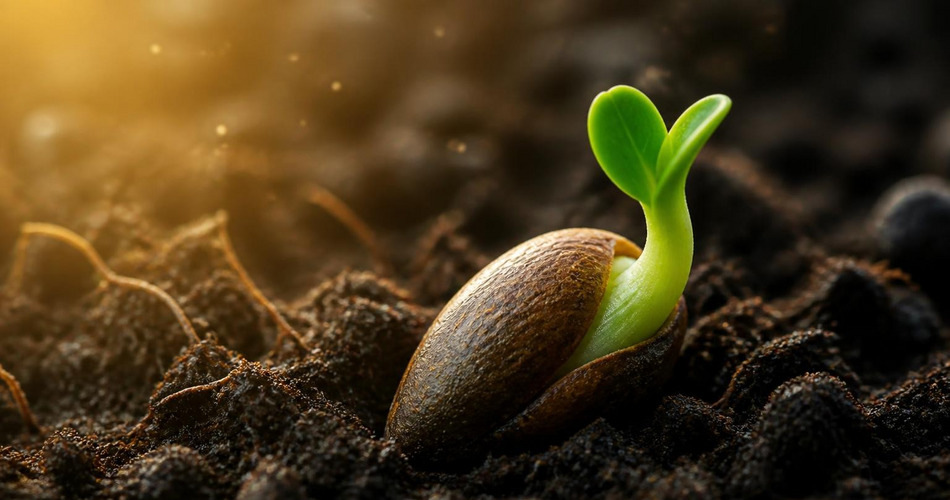
At its core, a seed symbolizes potential. It holds everything necessary to become a mature organism, yet it remains dormant until the right conditions arise. This makes it a universal emblem of new beginnings, whether in nature, personal life, or spiritual journeys. The seed also represents patience and trust—the understanding that growth takes time and requires nurturing.
Seeds are closely tied to fertility and abundance. In agricultural societies, a bountiful harvest depended on healthy seeds, so they became symbols of prosperity and sustenance. Additionally, the seed’s ability to overwinter and sprout in spring makes it a sign of resilience and renewal, echoing the cycles of death and rebirth seen in nature.
Positive and Negative Meanings
Positive associations: Seeds are overwhelmingly linked to optimism, growth, and new opportunities. They signify the start of a project, relationship, or phase of life. In spiritual contexts, they represent inner wisdom and the germination of higher consciousness. Seeds also evoke hope—the belief that even in barren times, life can emerge.
Negative meanings: A seed can also symbolize vulnerability and uncertainty. Its small size and dependence on external factors (soil, water, light) for survival reflect the fragility of potential. If a seed fails to germinate, it becomes a metaphor for unrealized dreams or wasted effort. In some traditions, seeds are associated with hidden dangers—like a poisonous seed that appears harmless but brings harm.
History and Origins of Seed Symbolism
The symbolic importance of seeds dates back to the dawn of agriculture, around 10,000 BCE. Early farming communities observed that planting a seed could yield multiple new plants, leading to associations with fertility and the cycle of life. Ancient myths often portrayed seeds as gifts from gods—for instance, the Greek myth of Demeter and Persephone, where pomegranate seeds bound Persephone to the underworld, explaining the seasons. In many cultures, seeds were used in burial rites, placed with the dead to symbolize the hope of rebirth.
Philosophically, seeds have been used as metaphors for knowledge and potential. The Greek philosopher Aristotle discussed the concept of “entelechy”—a seed as the actualization of a future form. In Buddhism, the “seed” of enlightenment is said to lie within all beings, waiting to be cultivated. These early ideas established seeds as enduring symbols of latent power and transformation.
Seed Symbolism in Different Cultures
In Christianity, seeds appear in the Parable of the Sower (Matthew 13), where the seed represents the word of God, and different soils symbolize the receptivity of hearts. The mustard seed, described as the smallest of all seeds, becomes a symbol of faith—a tiny beginning that can grow into something great. In Hinduism, the seed (bija) is a potent symbol of creation; the universe itself is said to have originated from a cosmic seed (Hiranyagarbha).
In Chinese culture, the seed is associated with fertility and prosperity. The character for “seed” (种) also means “species” or “kind,” linking it to lineage and continuity. Native American traditions often revere seeds as sacred gifts from the Great Spirit, central to ceremonies like the Green Corn Dance, which celebrates the corn seed’s life-giving power. In African cultures, seeds such as the baobab seed are used in rituals to invoke ancestors and ensure fertility.
Spiritual Meaning of Seeds
Spiritually, the seed represents the soul’s journey. Just as a seed must be buried in darkness before it can sprout, personal growth often requires facing challenges and inner work. Many contemplative practices use the “seed” as a meditation focus—for example, the Hindu practice of bija mantra repetition, where specific sound seeds are believed to activate spiritual energy.
In Buddhism, the concept of “seed nature” (tathagatagarbha) suggests that all beings possess the innate potential for enlightenment. This seed needs only the right conditions—teachings, mindfulness, and ethical living—to blossom. Similarly, in Sufism, the seed symbolizes the hidden essence of God within creation, waiting to be realized through spiritual devotion.
Seeds in Myths and Folklore
One of the most famous myths involving seeds is the Greek story of Persephone. While in the underworld, she ate six pomegranate seeds, binding her to return each year for six months, thus explaining the seasonal cycle. This tale links seeds with fate, the underworld, and the renewal of life in spring.
In Norse mythology, the god Odin and his brothers used the wood of two trees to create the first humans, Ask and Embla (ash and elm). Trees themselves grow from seeds, reinforcing the connection between seeds and the origin of life. In Japanese folklore, the tale of “The Bamboo Cutter” features a princess found inside a bamboo stalk—a seed-like container—symbolizing miraculous birth from nature.
Folklore often advises that planting seeds during specific moon phases influences growth, reflecting the belief that seeds are attuned to cosmic cycles. In many cultures, it is considered unlucky to plant seeds on a Friday or during a full moon, though interpretations vary.
Seeds in Dreams
Dreaming of seeds generally signals new beginnings and potential. If the seeds are healthy and planted, the dream may indicate that the dreamer is about to embark on a promising venture. Dreaming of seeds can also represent ideas or plans that have not yet been realized.
The condition of the seeds matters: dry or shriveled seeds might suggest neglected opportunities or lack of nourishment for one’s goals. Sowing seeds in a dream is often seen as a positive omen for future prosperity, while eating seeds can symbolize absorbing knowledge or vitality. As with all dream symbols, personal context influences interpretation.
Common Seed Dream Scenarios
- Planting seeds: Indicates you are laying the groundwork for future success or a new project.
- Watching seeds grow: Reflects patience and the satisfaction of seeing efforts bear fruit.
- Receiving seeds as a gift: Suggests opportunities or responsibilities are being handed to you.
- Scattering seeds on barren ground: Warns of wasted energy or poor planning—a need to find better conditions.
- Eating seeds: May symbolize internalizing new ideas or drawing strength from hidden potential.
- Seeds that are rotten or infested: Foretells obstacles or failures due to neglected foundations.
Seeds in Superstitions and Omens
Many superstitions surround seeds, particularly in agricultural communities. In European folklore, it was believed that planting seeds on Good Friday ensured a good harvest, while planting on a Sunday was unlucky. Carrying a seed pod or small bag of seeds was thought to attract prosperity and ward off evil.
In some cultures, finding a seed in an unexpected place—like in a loaf of bread or a piece of fruit—was considered an omen of surprise fortune or pregnancy. Conversely, spilling seeds carelessly might be seen as wasting luck. In the American South, it was said that if a woman plants seeds while angry, the plants will be bitter—a belief linking emotions to the lifecycle of seeds.
Seed Tattoo Meaning
Seed tattoos are chosen to symbolize growth, potential, and new beginnings. A single seed can represent a life-changing idea or a fresh start. Designs often include seeds with sprouting roots or leaves to emphasize the transition from potential to actualization. For some, a seed tattoo honors a personal transformation or recovery from hardship, echoing the seed’s journey through darkness into light.
A dandelion seed tattoo is especially popular, symbolizing wishes, freedom, and the spread of ideas. The fragile parachute of the dandelion seed suggests letting go and trusting the wind. Other seed tattoos may feature acorns, representing strength and potential, or pomegranate seeds, tied to fertility and mythological themes.
Meanings of Different Types of Seeds
- Apple seed: Symbolizes knowledge, temptation, and the cycle of life—each apple contains the potential for an entire orchard.
- Mustard seed: In Christianity, a symbol of faith; also represents small beginnings leading to great outcomes.
- Pomegranate seed: Associated with fertility, abundance, and the underworld in Greek myth; often signifies eternal life.
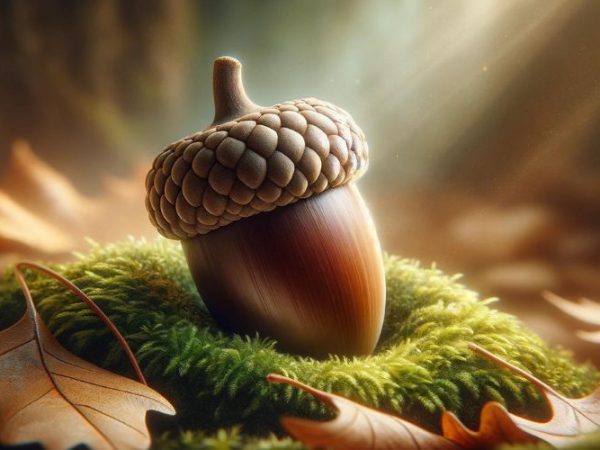
- Acorn: A seed of the oak tree, representing strength, endurance, and great potential from a modest origin.
- Lotus seed: In Eastern traditions, denotes purity, spiritual awakening, and the ability to rise above muddy conditions.
- Corn kernel: A staple of many cultures; symbolizes sustenance, survival, and the cyclical nature of life and harvest.
Frequently Asked Questions about Seed Symbolism
Q: What does a seed symbolize in the Bible?
A: In the Bible, seeds often represent the word of God (Parable of the Sower) and faith (mustard seed). They also symbolize the Kingdom of Heaven and the potential for spiritual growth.
Q: Are seeds a symbol of good luck?
A: In many cultures, seeds are considered luck-bringers, especially when carried as charms or planted during auspicious times. They are associated with abundance and new opportunities.
Q: What does it mean when you dream of planting seeds?
A: Dreaming of planting seeds generally indicates that you are preparing for future growth—beginning a new project, relationship, or stage of life. It reflects optimism and investment in the future.
Q: What is the spiritual meaning of a seed?
A: Spiritually, a seed represents latent potential, the soul’s journey, and the possibility of enlightenment. It teaches patience, trust, and the value of nurturing inner qualities.
Related Symbols
- Tree — the mature form of a seed, symbolizing life, strength, and connection
- Flower — the result of a seed’s growth, representing beauty and the ephemeral
- Fruit — contains seeds, thus symbolizing harvest and the cycle of life
- Egg — like a seed, a container of potential and new life
- Germination — the process of a seed awakening, symbolizing transformation