Briefly
The ark is a powerful symbol of salvation, protection, and divine covenant. In Judeo-Christian tradition, Noah’s Ark represents God’s deliverance from destruction, while the Ark of the Covenant signifies God’s presence and law. The ark embodies themes of preservation, faith, and new beginnings, often serving as a metaphor for spiritual refuge and hope in times of crisis.
What Does the Ark Symbolize?
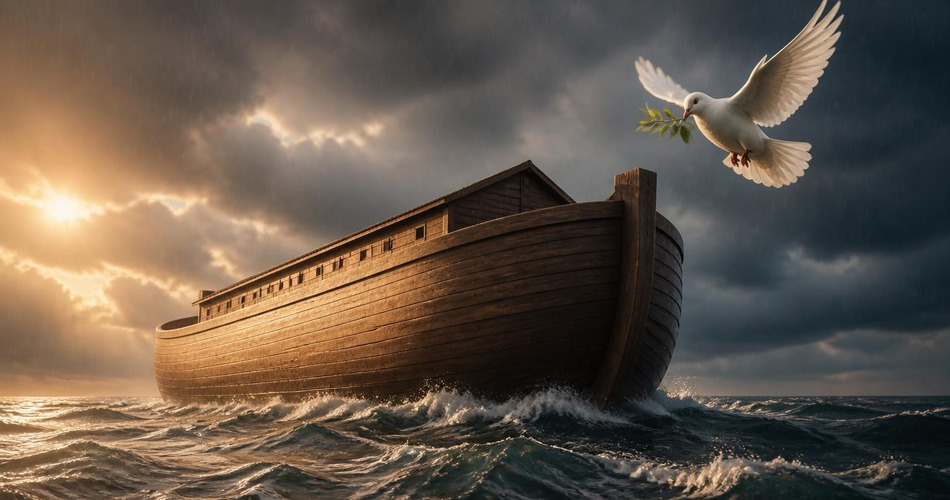
The ark carries two primary symbolic meanings, both rooted in biblical narratives. Noah’s Ark symbolizes salvation and preservation—a vessel that carries the faithful through judgment to a renewed world. It represents hope, rebirth, and the promise of a fresh start after catastrophe. The Ark of the Covenant, on the other hand, symbolizes divine presence and holiness. It was the earthly throne of God, containing the tablets of the law, manna, and Aaron’s rod. Together, these two arks convey themes of protection, covenant, and the sacred relationship between the divine and humanity.
The ark also functions as a symbol of the Church in Christian theology, often called the “ship of salvation” that carries believers through the storms of life. In a broader sense, any ark—as a chest or container—symbolizes the storage of precious or essential things, whether physical objects or spiritual truths.
Positive and Negative Meanings of the Ark
Positive associations: The ark is overwhelmingly a symbol of safety and deliverance. It represents God’s mercy in the midst of judgment, offering refuge to the righteous. It signifies new beginnings after destruction, as seen in the rainbow covenant after the flood. The Ark of the Covenant symbolizes God’s guidance, protection, and the central place of worship for the Israelites.
Negative meanings: The ark also carries connotations of divine judgment and destruction. The flood narrative implies that only a select few are saved, while the rest perish. The ark can thus symbolize exclusivity and the fear of being left behind. The Ark of the Covenant, when mishandled, brought death or plague (e.g., Uzzah’s death), representing the dangerous holiness of God and the consequences of disobedience.
History and Origins of the Ark Symbolism
The story of Noah’s Ark originates in the Book of Genesis (chapters 6–9), where God commands Noah to build a large vessel to save his family and pairs of animals from a worldwide flood. This narrative has parallels in older Mesopotamian flood myths, most notably the Epic of Gilgamesh, where the hero Utnapishtim builds a boat to survive a deluge sent by the gods. The Ark of the Covenant is described in the Book of Exodus as a sacred chest built by Moses according to divine instructions, overlaid with gold, and carried by the Israelites during their wilderness wanderings. These origins establish the ark as a central symbol in Abrahamic religions, representing both God’s judgment and his saving grace.
Ark Symbolism in Different Cultures
In Judaism, the ark (teivah) is a symbol of divine protection and the covenant. The Ark of the Covenant was kept in the Holy of Holies in the Tabernacle and later in Solomon’s Temple, representing God’s throne on earth. In Christianity, Noah’s Ark is a type of Christ and the Church—a vessel of salvation through faith. It appears frequently in art, hymns, and theology as a symbol of baptism and new life. In Islam, the story of Nuh (Noah) and his ark (safina) is recounted in the Quran, emphasizing patience, faith, and divine mercy. Beyond Abrahamic traditions, flood myths featuring arks appear in Greek mythology (Deucalion’s ark), Hindu mythology (Manu’s boat), and various indigenous cultures, making the ark a universal symbol of survival and divine intervention in times of cosmic upheaval.
Spiritual Meaning of the Ark
Spiritually, the ark represents a sanctuary for the soul—a place of refuge from the chaos and trials of life. In Christian spirituality, the ark symbolizes the Church as the “ark of salvation” that carries believers through the storms of sin and death. The Ark of the Covenant signifies the indwelling presence of God among his people, a reminder of holiness and the need for reverence. For individuals, the ark can symbolize a personal journey of faith, where one seeks safety in God’s promises and prepares for a new phase of life. The ark also speaks to the importance of obedience and trust, as Noah built the ark in faith before the flood came.
The Ark in Myths and Folklore
The flood myth is one of the most widespread narratives in world mythology. In the Epic of Gilgamesh, the god Ea warns Utnapishtim to build a boat and take aboard the seed of all living creatures. After the flood, Utnapishtim releases a dove, a swallow, and a raven to find land—a direct parallel to Noah’s story. In Greek myth, Deucalion and Pyrrha build an ark to survive a flood sent by Zeus, later repopulating the earth by throwing stones behind them. Hindu mythology tells of Manu, who is warned by a fish (an avatar of Vishnu) to build a boat to escape a great flood. These stories share common themes: divine warning, selective salvation, and the renewal of life after destruction. The ark thus appears as a cross-cultural symbol of hope and rebirth in the face of apocalyptic judgment.
The Ark in Dreams
In dream interpretation, the ark often appears as a symbol of safety, refuge, and spiritual journey. Dreaming of an ark may indicate a need for protection from overwhelming emotions or life circumstances. It can also represent a new beginning or a call to prepare for change. The ark in dreams is frequently associated with water, which symbolizes the unconscious mind or emotional states. Seeing an ark in a dream may suggest that the dreamer is seeking divine guidance or a place of peace amidst turmoil.
Common Dream Scenarios
- Seeing an ark on calm waters: Represents peace, security, and a sense of being protected.
- Being inside an ark during a storm: Indicates that you are sheltered from external chaos or emotional upheaval.
- An ark that is damaged or sinking: May reflect feelings of vulnerability or fear that your refuge is failing.
- Building an ark: Suggests preparation for a major life change or a proactive effort to safeguard what is important.
- An ark with animals: Symbolizes the need to preserve diverse aspects of your life or personality.
The Ark in Superstitions and Omens
The ark is not typically associated with common superstitions, but it has been used as a symbol of hope and divine favor. In some Christian traditions, a model of Noah’s Ark is considered a protective talisman for the home, believed to bring safety and blessing. The appearance of an ark in a vision or dream has been interpreted as an omen of impending change or a call to faith. However, these beliefs are not widespread and are more rooted in personal spirituality than in established folklore.
The Ark in Art and Literature
The ark has inspired countless works of art and literature. In painting, Noah’s Ark has been depicted by artists such as Edward Hicks (“Noah’s Ark”, 1846), who portrayed the ark as a peaceful vessel amid a serene landscape, and by the anonymous illuminators of medieval manuscripts. The Ark of the Covenant appears in the film “Raiders of the Lost Ark” (1981), where it is portrayed as a powerful and dangerous relic. In literature, the ark features in John Donne’s poem “The Ark” and in modern novels such as “Not the End of the World” by Kate Atkinson, which reimagines the flood story. The ark also appears in children’s books and animated films, often emphasizing themes of animal preservation and family. These artistic representations reinforce the ark’s dual nature as both a symbol of hope and a reminder of divine judgment.
Ark Tattoo Meaning
An ark tattoo is often chosen as a symbol of faith, survival, and new beginnings. It can represent a personal journey through hardship, much like Noah’s passage through the flood. For Christians, an ark tattoo may signify salvation and trust in God’s promises. The tattoo often includes elements like a dove with an olive branch, a rainbow, or animals, reinforcing the themes of peace and renewal. The ark tattoo can also serve as a reminder of one’s spiritual refuge and the importance of preserving what is precious in life.
Meanings of Different Types of Arks
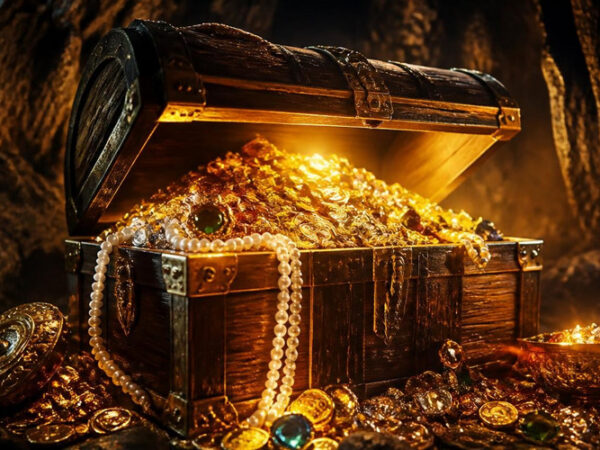
Two main types of arks carry distinct symbolism. Noah’s Ark is a large vessel built for survival, symbolizing deliverance, preservation, and the renewal of life after destruction. It is often associated with the flood, the dove, and the rainbow. The Ark of the Covenant is a sacred chest, symbolizing God’s presence, the law, and the covenant between God and Israel. It is associated with the Tabernacle, the Temple, and divine glory. Additionally, the term “ark” can refer to a Torah ark in synagogues, which holds the Torah scrolls and symbolizes the sacredness of God’s word. Each type emphasizes different aspects: Noah’s Ark focuses on salvation from judgment, while the Ark of the Covenant emphasizes holiness and divine relationship.
Frequently Asked Questions
Q: What does the ark symbolize in Christianity?
A: In Christianity, the ark symbolizes salvation and the Church as the vessel of God’s grace, carrying believers through the trials of life to eternal life.
Q: Is the ark mentioned in other religions?
A: Yes, the story of Noah’s ark appears in Islam (the Quran) and in various flood myths across cultures, such as in the Epic of Gilgamesh and Hindu mythology.
Q: What is the difference between Noah’s Ark and the Ark of the Covenant?
A: Noah’s Ark was a boat built to survive the flood, symbolizing deliverance and new beginnings. The Ark of the Covenant was a sacred chest that held the Ten Commandments, symbolizing God’s presence and covenant with Israel.
Q: Can the ark be a symbol of judgment?
A: Yes, the ark also represents divine judgment, as the flood destroyed the wicked while saving the righteous. It serves as a reminder of both mercy and justice.
Related Symbols
- Flood – the destructive event that the ark survives
- Dove – brings the olive branch, symbolizing peace and hope
- Rainbow – God’s covenant promise after the flood
- Covenant – the binding agreement between God and humanity
- Boat – a general vessel of journey and survival
- Ship – often used as a metaphor for the Church or community
- Sanctuary – a place of refuge and safety