Briefly
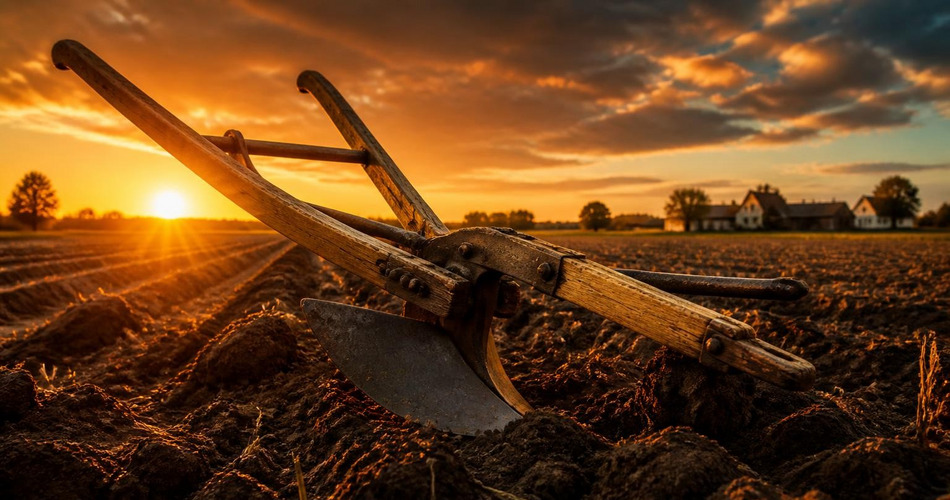
The plow is a powerful symbol of human ingenuity and the transformative relationship between people and the land. It represents the effort required to cultivate life, turning wild soil into fertile ground for growth. At its core, the plow embodies themes of hard work, perseverance, and the cycle of sowing and reaping. It also carries negative connotations of relentless toil, destruction of natural landscapes, and the potential for conflict over land ownership.
What Does the Plow Symbolize?
The plow is primarily a symbol of agriculture and the foundational act of civilization. By breaking ground, it represents the human ability to shape the environment for sustenance and survival. This act of turning the soil is also a metaphor for transformation—preparing the way for new life and new beginnings. The plow is often linked to hard work, productivity, and abundance, as it is the first step in the cycle that leads to harvest. It can also symbolize peace and stability, as settled agriculture forms the basis of communities and nations.
Positive and Negative Meanings
Positive associations: The plow is a positive emblem of creation and nurturing. It signifies the human capacity to bring order from chaos, turning barren or wild land into a source of food and prosperity. It represents progress, growth, and the promise of future rewards through diligent labor.
Negative meanings: On the negative side, the plow can symbolize oppression and exploitation. It is a tool of relentless labor, often associated with the burdens of the working class or the destruction of natural ecosystems. It can also represent conflict over land, as the biblical phrase beating swords into plowshares implies its opposite: converting plows into weapons for war.
History and Origins of the Plow Symbolism
The plow is one of humanity’s oldest and most significant inventions, dating back to the Neolithic period around 4000 BCE. Early scratch plows, or ards, were simple tools pulled by animals like oxen, marking a pivotal shift from nomadic hunting and gathering to settled agriculture. This transition, known as the Agricultural Revolution, fundamentally changed human society and gave the plow its powerful symbolism as a tool of civilization. Ancient cultures, such as the Sumerians and Egyptians, depicted plows in their art and associated them with deities who taught agriculture to humans, reinforcing the plow’s role as a giver of life and prosperity.
Plow Symbolism in Different Cultures
The plow holds varied meanings across cultures. In ancient China, the plow was a tool of state ritual, with emperors symbolically plowing fields to honor the earth and ensure a good harvest, underscoring its connection to authority and national well-being. In Hinduism, the plow is associated with the deity Balarama, Krishna’s elder brother, who used a plow as a weapon and symbol of agricultural strength. In European peasant traditions, the plow was a symbol of the common people and their connection to the land, often contrasted with the sword of the ruling class. In modern American culture, the Farmall tractor (a mechanized plow) became an icon of independence and the hardworking farmer, especially during the Great Depression and the Dust Bowl.
Spiritual Meaning
Spiritually, the plow can represent the act of preparing the soul for spiritual growth. The image of plowing one’s inner field signifies the effort required to turn over old patterns, break up hardened beliefs, and make the heart receptive to new spiritual insights. It symbolizes self-cultivation and the labor of transformation on the path to enlightenment, echoing the agricultural cycle of plowing, planting, and harvesting spiritual fruits.
The Plow in Myths and Folklore
In Greek mythology, the plow is credited to the hero Triptolemus, who was sent by the goddess Demeter to teach humanity the art of agriculture, including the use of the plow. This made the tool a gift from the gods, symbolizing the civilizing power of knowledge. In Norse mythology, the plow is associated with the god Thor, whose hammer Mjolnir was once used to plow the fields after a funeral, bringing fertility back to the land. In Chinese folklore, the ox-drawn plow was a symbol of the hardworking farmer and a central figure in the story of the Cowherd and the Weaver Girl, where the cowherd’s ox, a former heavenly being, helps him plow the fields.
Dream Scenarios Involving the Plow
Dreaming of a plow often relates to personal effort and life’s groundwork. A dream of plowing a field may suggest the dreamer is engaging in hard but necessary work that will lead to future rewards. Seeing a broken plow could indicate obstacles or a need to pause and reassess one’s approach to a project or goal. Plowing barren or rocky ground in a dream might symbolize the struggle of working under difficult conditions without immediate fruit.
- Plowing a lush, fertile field: Success and abundance through consistent effort.
- Plowing in a storm: Hard work in the face of adversity.
- Using a horse to plow: Harnessing one’s own strength and energy for productivity.
- Watching others plow: A passive role; reliance on the work of others.
Plow in Superstitions and Omens
The plow features in various superstitions, particularly in farming communities. In some European traditions, it was considered bad luck to whistle while plowing, as it was thought to summon storms. Plowing a field that had been blessed by a priest was believed to bring a bountiful harvest. An upside-down plow was sometimes seen as a protective charm against evil spirits, as it was thought to confuse and repel them. In some cultures, finding a broken plowshare in a field was seen as a dire omen, foretelling a poor harvest or difficult times.
The Plow in Art and Literature
The plow appears as a powerful symbol in notable works. In the epic poem Beowulf, the hero’s funeral pyre is described with the line «Now the great man will be laid low, his life ended, and his body turned to earth like a plowed field,» emphasizing the cycle of life and death connected to agriculture. The novel The Grapes of Wrath by John Steinbeck features plow imagery as a symbol of the dust bowl farmers’ struggle and displacement; the tractors that plow their land are described as monstrous machines of destruction. In art, the painting The Sower by Jean-François Millet depicts a farmer sowing seed, but the plow is often implied in the background as the preparatory tool, linking it to the broader human condition of labor and hope. In the Bible, the phrase «beat their swords into plowshares» (Isaiah 2:4) uses the plow as a universal symbol of peace and a return to productive, peaceful life.
Frequently Asked Questions about Plow Symbolism
Q: What does a plow tattoo symbolize?
A: A plow tattoo often symbolizes hard work, resilience, and a connection to one’s roots or agricultural heritage. It can represent the wearer’s belief in the value of honest labor and perseverance through difficult times.
Q: Is the plow a symbol of peace or war?
A: The plow is generally a symbol of peace, as it is the ultimate tool of cultivation and sustenance. However, its transformation into a sword in the phrase «beating swords into plowshares» highlights its role as a resource that can be converted for conflict, making it a symbol of choice between war and peace.
Q: How is the plow used as a symbol in heraldry?
A: In heraldry, the plow is a common charge on coats of arms, particularly for agricultural regions, counties, or families with farming backgrounds. It represents industry, stability, and the wealth of the land. For example, the coat of arms of the Province of Saskatchewan features a sheaf of wheat and a plow, symbolizing the province’s agricultural foundation.
Related Symbols
- Scythe – Harvest and the end of life’s cycle.
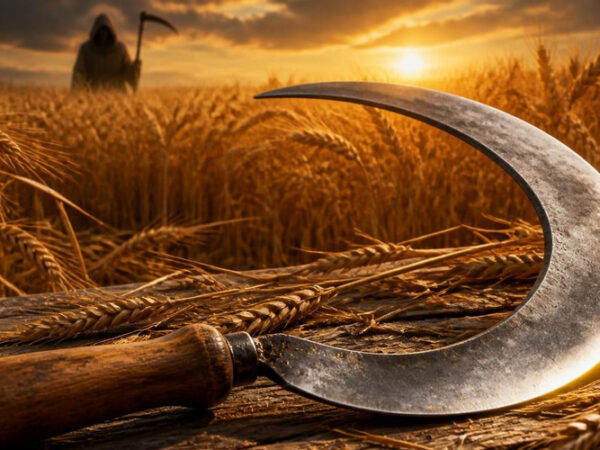
- Sickle – Reaping; also a symbol of labor and revolution.
- Hammer – Human labor and construction; often paired with the sickle in socialist heraldry.
- Seed – Potential, growth, and new beginnings.
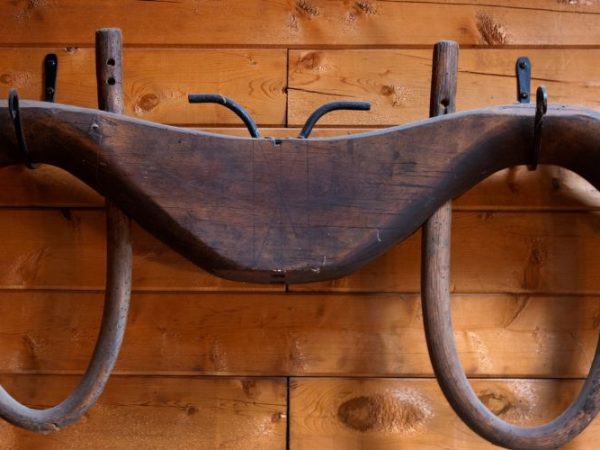
- Ox – Strength, patience, and the animal that traditionally pulls the plow.