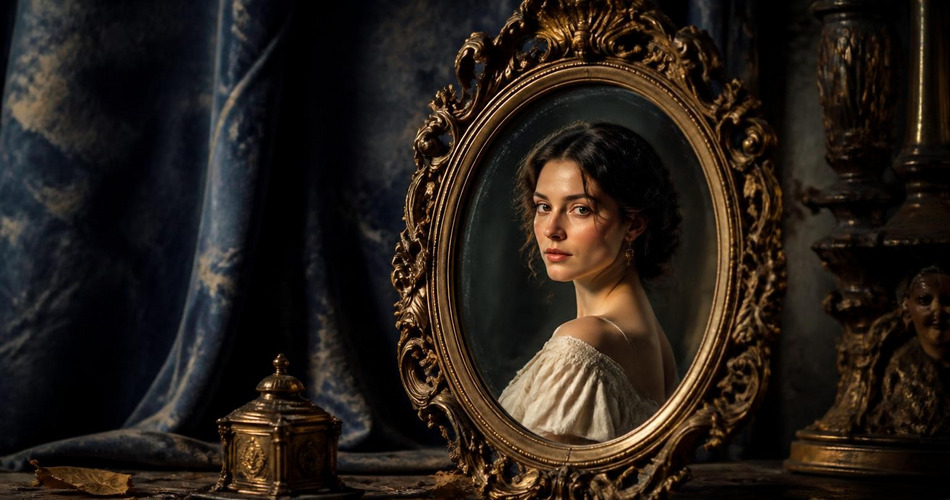
A portrait is a visual representation of an individual, typically focusing on the face and expression. It serves as a powerful symbol of identity, capturing not only physical likeness but also personality, status, and the essence of a person. Across cultures and historical periods, portraits have been used to commemorate loved ones, assert social standing, and preserve memory for future generations. The act of creating or possessing a portrait often carries deep emotional and symbolic weight, reflecting the human desire for remembrance and legacy.
What Does a Portrait Symbolize?
At its core, a portrait symbolizes identity. It is a visual statement of who a person is or how they wish to be seen. Portraits also represent memory, preserving a moment in time and allowing the subject to live on after death. They convey status and power, as seen in royal and aristocratic portraits that project authority and wealth. Additionally, portraits can symbolize self-reflection, introspection, and the relationship between the inner self and outward appearance. In a broader sense, they capture the human condition—our desire to be known, remembered, and understood.
Positive and Negative Meanings of Portraits
Positive associations: Portraits celebrate individuality and achievement. They honor loved ones, create lasting legacies, and strengthen family bonds through generational portraits. They also serve as tools for self-expression, allowing artists and subjects to explore identity and emotion. In therapeutic contexts, creating self-portraits can promote self-awareness and healing.
Negative meanings: Portraits can also represent vanity, narcissism, and obsession with appearance. They may be used to manipulate public perception, projecting a false image of power or virtue. In some contexts, portraits are seen as capturing the soul, leading to superstitions about theft of identity or spiritual harm. A damaged or destroyed portrait can symbolize loss, betrayal, or the erasure of memory.
History and Origins of Portrait Symbolism
The history of portraiture dates back to ancient civilizations. Egyptian funerary portraits, such as the Fayum mummy portraits, were created to preserve the likeness of the deceased for the afterlife, symbolizing eternal identity. Roman emperors used portrait busts to project authority and divine status, often distributing them across the empire. During the Renaissance, portraiture flourished as a symbol of humanism and individualism, with artists like Leonardo da Vinci and Raphael capturing not just likeness but psychological depth. The invention of photography in the 19th century democratized portraiture, making it accessible to the masses and shifting its symbolism from elite status to personal memory.
Portrait Symbolism in Different Cultures
In many cultures, portraits carry distinct symbolic meanings. In ancient Egypt, portraits were integral to burial practices, ensuring the soul could recognize its body. In Imperial Rome, wax death masks (imagines maiorum) were displayed in homes to honor ancestors and assert lineage. Chinese ancestor portraits, often painted posthumously, served as focal points for rituals honoring the deceased, symbolizing filial piety and continuity. In European court tradition, portraits were diplomatic tools, conveying power and alliances through carefully crafted imagery. In contemporary Indigenous cultures, portraits may be used to assert cultural identity and resist colonial narratives.
Spiritual Meaning of Portraits
Spiritually, portraits are often seen as vessels for the subject’s essence or soul. In some traditions, a portrait is believed to capture the life force of the person, making it a powerful object for meditation or ancestor veneration. The act of gazing at a portrait can facilitate connection with the spirit of the departed. Conversely, some spiritual beliefs warn against creating portraits for fear of trapping the soul or inviting negative energies. This duality reflects the profound symbolic weight portraits carry in the realm of the spiritual.
Portraits in Myths and Folklore
Portraits appear in folklore as objects of magic, danger, or revelation. A common motif is the portrait that ages or reveals the true state of its subject, as in the story of the portrait that grows old while the person remains young—a theme famously explored in Oscar Wilde’s The Picture of Dorian Gray. In some European folk tales, portraits are said to come alive at night or to weep tears of blood, foretelling death or misfortune. Voodoo and sympathetic magic traditions sometimes use portraits as effigies, believing that harm to the image affects the person. These stories underscore the belief that a portrait is more than a likeness—it is a connection to the person it represents.
Portraits in Dreams
Dreaming of a portrait often relates to self-image, identity, and how one is perceived by others. A portrait in a dream can symbolize the dreamer’s own self-concept or an aspect of their personality they are confronting. The condition of the portrait—clear, damaged, hidden—can offer clues about the dreamer’s emotional state. Common dream scenarios include:
- Seeing your own portrait: reflects self-awareness, self-esteem, or a need for introspection.
- A portrait of a stranger: may represent an unknown aspect of yourself or a person about to enter your life.
- A damaged or torn portrait: suggests feelings of loss, insecurity, or a fractured identity.
- An animated portrait: indicates that a past memory or suppressed emotion is becoming active in your life.
- Painting or drawing a portrait: symbolizes the act of shaping your own identity or creating a legacy.
Portraits in Superstitions and Omens
Superstitions surrounding portraits are found in many cultures. A common belief is that a portrait falling from the wall or breaking is an omen of death or misfortune for the person depicted. Some traditions hold that a portrait’s eyes follow the viewer, symbolizing the subject’s watchful presence or judgment. In Victorian times, it was considered bad luck to photograph a sleeping person, as the image might capture the soul leaving the body. Conversely, displaying portraits of ancestors is thought to bring protection and blessings to a household. These superstitions reflect the enduring belief in the power of images to connect with the spiritual realm.
Portraits in Art and Literature
Portraits have been central to art and literature for centuries. In painting, Leonardo da Vinci’s Mona Lisa is perhaps the most famous portrait, renowned for its enigmatic expression and the sense of inner life it conveys. Rembrandt’s numerous self-portraits document his aging process and emotional states, serving as a visual autobiography. Frida Kahlo’s self-portraits are deeply symbolic, exploring pain, identity, and cultural heritage. In literature, Oscar Wilde’s The Picture of Dorian Gray uses a portrait as a central symbol of hidden corruption and the duality of human nature. Henry James’s novel The Portrait of a Lady examines the inner life and social constraints of its protagonist. In film, The Portrait of a Lady (1996) and Portrait of a Lady on Fire (2019) explore themes of gaze, memory, and love through the act of portraiture. These works demonstrate how portraits function as symbols of identity, morality, and the human condition.
Portrait Tattoo Meaning
Portrait tattoos are among the most popular and meaningful tattoo styles. They are often used to memorialize a loved one, capturing their likeness as a permanent tribute. A portrait tattoo can also represent self-identity, with individuals choosing to ink their own face or that of a role model. In some cases, portrait tattoos symbolize a person’s legacy or the impact someone has had on the wearer’s life. The realism and detail required for a good portrait tattoo make it a mark of artistic skill and personal significance.
Meanings of Different Types of Portraits
The type of portrait influences its symbolism. Self-portraits emphasize introspection, self-expression, and the artist’s identity. Formal portraits (e.g., royal or corporate) symbolize status, authority, and public persona. Family portraits represent lineage, unity, and shared history. Candid or informal portraits capture authenticity and spontaneous emotion. Posthumous portraits serve as memorials, symbolizing remembrance and the ongoing presence of the deceased. Group portraits (e.g., class photos, team photos) symbolize collective identity and belonging. Each type carries nuanced meanings that reflect the context and purpose of the image.
Frequently Asked Questions About Portraits
Q: What does a portrait symbolize?
A: A portrait primarily symbolizes identity, memory, and status. It captures a person’s likeness and essence, serving as a tool for commemoration, self-expression, and social commentary.
Q: Why are portraits important in history?
A: Portraits provide visual records of individuals across time, offering insights into fashion, social hierarchies, and cultural values. They help historians understand how people wished to be remembered and how power was visually asserted.
Q: Can a portrait have negative meanings?
A: Yes, portraits can symbolize vanity, narcissism, or manipulation of image. They may also be associated with superstitions about capturing the soul or bringing bad luck.
Q: What is the spiritual meaning of a portrait?
A: Spiritually, a portrait is often seen as a vessel for the subject’s essence, used in ancestor veneration or meditation. Some traditions believe it can connect the living with the deceased.
Q: What do portrait tattoos represent?
A: Portrait tattoos commonly represent remembrance of a loved one, personal identity, or admiration for a role model. They are deeply personal and often carry emotional significance.
Related Symbols
- Photograph – a modern, reproducible form of portraiture with similar symbolic meanings of memory and identity.
- Mirror – reflects the self and is often used as a symbol of self-examination, akin to the introspective nature of portraits.
- Mask – represents the public persona or hidden identity, contrasting with the portrait’s aim to reveal the true self.
- Bust – a sculptural portrait focusing on the head and shoulders, symbolizing honor and commemoration.
- Selfie – a contemporary digital self-portrait, symbolizing self-expression, identity, and the curated presentation of self in the digital age.