Briefly
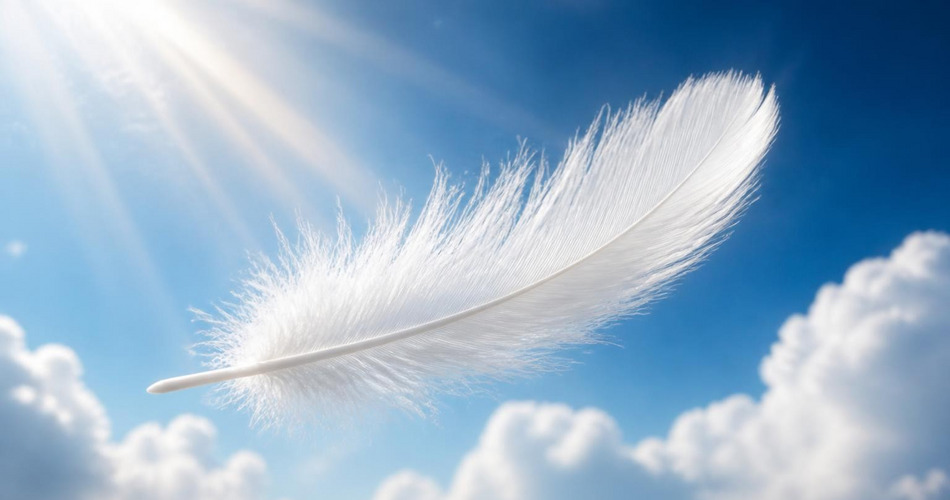
A white feather is a powerful symbol of purity, peace, and spiritual connection. Often associated with angels and divine messages, it is seen as a sign of hope, protection, and guidance from the spiritual realm. At the same time, white feathers can carry negative connotations, such as cowardice or surrender, depending on cultural context. Their light, airy nature also links them to freedom, flight, and the soul’s journey.
What Does a White Feather Symbolize?
The white feather primarily symbolizes purity and innocence. Its clean, unblemished color evokes a sense of clarity and simplicity. In many spiritual traditions, a white feather is believed to be a sign from angels or departed loved ones, offering comfort and reassurance. It also represents peace, as white is the universal color of truce and harmony. Because feathers come from birds, they carry the symbolism of flight, freedom, and transcendence — the ability to rise above earthly concerns.
Additionally, white feathers are often linked to truth and honesty. In some contexts, receiving a white feather can be a call to speak one’s truth or to act with integrity. The feather’s lightness suggests a gentle, non-intrusive presence, making it a symbol of subtle guidance and inner knowing.
Positive and Negative Meanings
Positive associations: White feathers are widely regarded as positive omens. They signify hope, renewal, and spiritual protection. Finding a white feather is often interpreted as a message from a guardian angel or a sign that a deceased loved one is watching over you. In many cultures, white feathers are used in rituals to purify spaces and invite peace. They also represent courage — paradoxically, the courage to be gentle and open.
Negative meanings: Historically, a white feather has been used as a symbol of cowardice. During World War I, women in Britain would give white feathers to men not in uniform to shame them into enlisting. This association persists in some contexts, where a white feather can imply fear or avoidance of duty. Additionally, in some superstitions, a white feather found indoors may be seen as a warning of impending illness or misfortune, though this is less common.
History and Origins of White Feather Symbolism
The use of white feathers as symbols dates back centuries. In medieval Europe, white feathers were worn in caps or helmets as marks of honor and valor — a stark contrast to the later cowardice association. The phrase “show the white feather” originates from cockfighting, where a white feather in a gamecock’s tail was considered a sign of poor breeding and lack of fighting spirit. This metaphor was then applied to humans, especially during wartime propaganda.
In Native American cultures, white feathers, particularly from eagles, are sacred objects used in ceremonies and headdresses. They represent honor, strength, and a connection to the Great Spirit. The giving of a white feather is a profound gesture of respect and gratitude.
White Feather Symbolism in Different Cultures
In Christian symbolism, white feathers are often associated with angels and the Holy Spirit. The Bible describes angels as having wings, and a white feather is seen as a tangible reminder of their presence. In some traditions, a white feather left in an unexpected place is considered a sign from a guardian angel.
In Eastern philosophies, white feathers can symbolize spiritual purity and the attainment of higher consciousness. In Buddhism, the white feather of a crane or swan represents wisdom, longevity, and enlightenment. In Celtic mythology, white feathers were linked to the Otherworld and were thought to carry messages from the gods.
In many African cultures, white feathers are used in rituals to invoke ancestral spirits and to bring peace to communities. They are often placed on altars or worn by healers during ceremonies.
Spiritual Meaning of White Feathers
Spiritually, white feathers are considered direct messages from the divine. Many people believe that finding a white feather is a sign that angels are near, offering protection and guidance. It can also indicate that a prayer has been heard or that a loved one who has passed is sending reassurance. The feather’s appearance is often seen as a reminder to trust in a higher power and to remain open to spiritual insights.
White feathers are also used in meditation and energy work. Placing a white feather on an altar or carrying one as a talisman is thought to cleanse the aura and promote a sense of calm. They are believed to carry high vibrational energy that aligns with the crown chakra, facilitating connection to universal wisdom.
White Feathers in Myths and Folklore
In folklore, white feathers appear in stories about angels and fairies. In European fairy tales, a white feather dropped by a magical bird often leads the protagonist on a quest or reveals a hidden truth. In some Native American legends, the white feather of an eagle is a gift from the sky spirits, bestowing courage and vision upon the receiver.
The association with cowardice also has folkloric roots. The “white feather campaign” of World War I drew on older folk beliefs that a white feather marked a man as a coward. This stigma was so powerful that it influenced social pressure and even led to unjust accusations.
White Feathers in Dreams
Dreaming of white feathers often carries positive meanings. They can symbolize a desire for peace, a need for spiritual guidance, or a message from the subconscious about purity and truth. The context of the dream is important — a feather floating gently down suggests tranquility, while a feather being blown away might indicate lost opportunities or a need to let go.
White feathers in dreams can also represent freedom and the ability to rise above problems. If the dreamer is holding a white feather, it may signify a call to embrace honesty or to express a hidden truth.
Common Dream Scenarios
- Finding a white feather on the ground: Often interpreted as a sign of good luck, spiritual protection, or a message from a guardian angel.
- Receiving a white feather as a gift: Suggests that someone is offering you peace, forgiveness, or a fresh start.
- A white feather floating in the air: Represents a gentle reminder to stay calm and trust the flow of life.
- Losing a white feather: May indicate a fear of losing innocence or a warning about misplaced trust.
- A white feather turning black: Could symbolize corruption of purity, guilt, or a spiritual warning.
White Feathers in Superstitions and Omens
- Finding a white feather: Generally considered a good omen, especially if it appears unexpectedly. It is often seen as a sign that angels are near.
- A white feather in the house: Some superstitions say it brings good luck and protects the home; others warn it may foretell a death or illness, but this is rare.
- Giving a white feather: Historically, this was an insult implying cowardice. In modern times, it can be a gesture of peace or apology.
- Wearing a white feather: In some traditions, wearing a white feather in a hat or cap is believed to attract positive energy and ward off evil.
White Feathers in Art and Literature
White feathers appear in various works of art and literature, often carrying dual meanings. In the novel The White Feather by P. G. Wodehouse, the protagonist is given a white feather as a symbol of cowardice, which drives him to prove his bravery. This reflects the historical stigma attached to the white feather during wartime.
In poetry, white feathers are used to evoke purity and transcendence. For example, in Emily Dickinson’s poem “A Bird came down the Walk,” the bird’s feathers are described with delicate imagery that suggests both fragility and freedom. In visual art, white feathers are often depicted in still lifes and angelic paintings to symbolize divine presence and peace.
White Feather Tattoo Meaning
A white feather tattoo is a popular design that carries personal significance. It often represents a spiritual connection, a tribute to a lost loved one, or a reminder to stay true to oneself. The tattoo can symbolize freedom, lightness, and the ability to overcome challenges. Some people choose a white feather tattoo as a symbol of peace or as a memorial to a pet or family member. The placement and style — whether realistic, minimalist, or combined with other elements — can add layers of meaning.
Meanings of Different Types of White Feathers
The type of bird a white feather comes from can influence its symbolism. An eagle white feather is associated with strength, courage, and spiritual vision. A dove white feather is a classic symbol of peace, love, and the Holy Spirit. An owl white feather may represent wisdom, mystery, and the ability to see what others miss. A swan white feather evokes grace, beauty, and transformation. Even a small, downy white feather can signify gentleness and protection.
Frequently Asked Questions
Q: What does it mean if I find a white feather?
A: Finding a white feather is often interpreted as a positive sign — a message of hope, protection, or reassurance from the spiritual realm. Many believe it is a sign from an angel or a departed loved one.
Q: Is a white feather always a good omen?
A: Generally yes, but historically it has also been used as a symbol of cowardice. In modern contexts, the positive spiritual associations are far more common.
Q: Can a white feather represent a specific person?
A: Some people believe that a white feather can be a sign from a specific deceased relative or friend, especially if it appears in a meaningful location or time.
Q: What should I do with a white feather I find?
A: You may keep it as a talisman, place it on an altar, or simply appreciate the moment. There is no prescribed action; it is a personal choice.
Related Symbols
- Angel wings: Both symbolize divine protection and spiritual guidance.
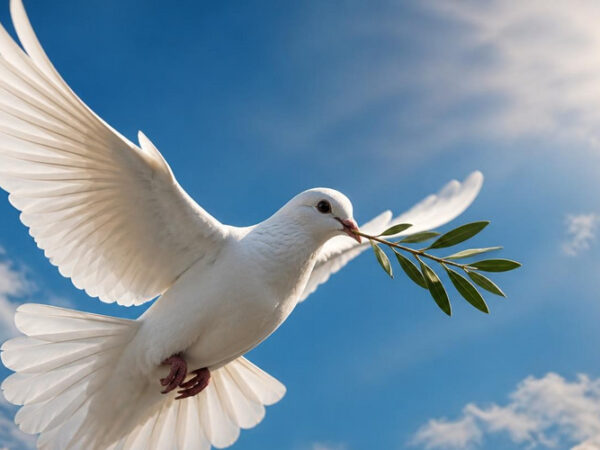
- Dove: A white dove is a universal symbol of peace and the Holy Spirit.
- Eagle feather: In Native American cultures, eagle feathers are sacred symbols of honor and strength.
- White color: Represents purity, innocence, and new beginnings.
- Feather as a general symbol: Often associated with flight, freedom, and the soul.