Briefly
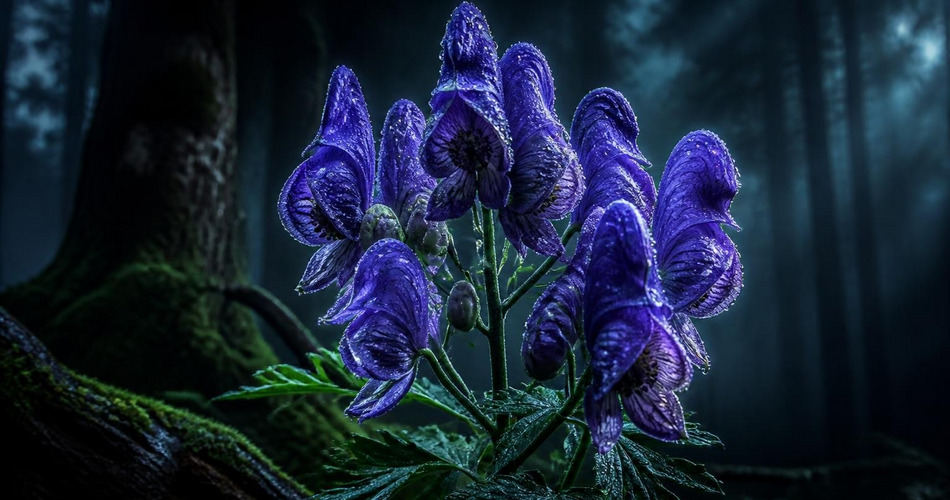
Wolfsbane, also known as aconite or monkshood, is a highly poisonous flowering plant that has long symbolized both danger and protection. Its toxic nature gives it associations with death, caution, and the supernatural, while its historical use as a repellent against wolves and mythical creatures ties it to themes of defense and warding off evil. The plant’s striking blue or purple flowers also carry meanings of mystery, power, and transformation.
What Does Wolfsbane Symbolize?
Wolfsbane primarily symbolizes protection against supernatural threats, especially werewolves and evil spirits. Its potent poison makes it a symbol of danger, caution, and hidden power. At the same time, the plant’s ability to kill or heal in controlled doses links it to transformation and the fine line between life and death. In various traditions, wolfsbane represents the duality of nature—both beautiful and deadly.
Positive and Negative Meanings
Positive associations: Wolfsbane is seen as a powerful protective charm, used to ward off werewolves, vampires, and malevolent forces. In folk medicine, it was sometimes employed in tiny doses for pain relief and fever reduction, symbolizing healing through controlled risk. Its striking blooms also represent mystery and the allure of the unknown.
Negative meanings: The plant’s extreme toxicity makes it a symbol of death, treachery, and hidden danger. Historically, it was used in poisonings and executions, earning associations with betrayal and malice. Its very name evokes fear and caution, reminding people of nature’s capacity for harm.
History and Origins of Wolfsbane Symbolism
The name “wolfsbane” comes from ancient European belief that the plant could repel wolves. In Greek mythology, the herb sprang from the foam of Cerberus, the three-headed guard dog of the underworld, linking it to the underworld and death. During the Middle Ages, wolfsbane was a key ingredient in “werewolf” lore—people believed it could prevent or cure lycanthropy. Its botanical name, Aconitum, derives from the Greek akoniton, meaning “dart” or “javelin,” referencing its use as a poison on arrow tips in ancient warfare.
Wolfsbane Symbolism in Different Cultures
In European folklore, wolfsbane was both feared and revered. Germanic tribes used it in rituals to invoke protection, while in Slavic regions it was planted near homes to keep evil spirits away. In traditional Chinese medicine, aconite (a related species) was used cautiously for its warming and pain-relieving properties, symbolizing the balance between life and death. In Hindu culture, the plant is associated with Shiva and his destructive yet transformative power. Across cultures, wolfsbane consistently represents the dual nature of power—capable of great harm or great protection.
Spiritual Meaning of Wolfsbane
Spiritually, wolfsbane is seen as a plant of protection and boundary-setting. Its toxic essence is believed to create a barrier against negative energies, psychic attacks, and unwanted influences. In some esoteric traditions, it is used in rituals to sever harmful ties or to transform fear into strength. The plant’s deep blue or purple flowers also resonate with the third eye and crown chakras, symbolizing heightened intuition and spiritual power, though its use must be approached with extreme caution.
Wolfsbane in Myths and Folklore
Wolfsbane appears prominently in werewolf mythology. According to European legend, the plant could cure or prevent lycanthropy, and hunters would carry it as an amulet. In Greek myth, the hero Heracles used aconite-tipped arrows to kill the Nemean lion, and the plant was said to have grown from the venom of Cerberus. In Norse folklore, it was associated with the god Thor and used in protective charms. These stories reinforce wolfsbane’s symbolism as a weapon against chaos and monstrous forces.
Wolfsbane in Dreams
Dreaming of wolfsbane often reflects themes of hidden danger, protection, or a need for caution. The plant may appear as a warning about a toxic person or situation in the dreamer’s life. Alternatively, it can symbolize the dreamer’s own inner power—something beautiful but potentially harmful if misused. The context of the dream is crucial: picking the flower might indicate confronting a fear, while being poisoned by it could suggest feeling overwhelmed by negativity.
Common Dream Scenarios
- Seeing wolfsbane in bloom: A reminder of beauty that conceals danger; assess situations carefully.
- Being poisoned by wolfsbane: Feeling betrayed or harmed by someone close; need to set boundaries.
- Using wolfsbane as protection: Taking control of a threatening situation; harnessing inner strength.
- Growing wolfsbane: Nurturing a hidden talent or power that requires careful handling.
Wolfsbane in Superstitions and Omens
- Planting wolfsbane near the doorstep was believed to keep werewolves and evil spirits away.
- Carrying a dried wolfsbane root was thought to protect against hexes and curses.
- If wolfsbane wilted suddenly in a garden, it was seen as an omen of betrayal or death.
- In some regions, giving wolfsbane as a gift was considered a threat or a warning.
Wolfsbane in Art and Literature
Wolfsbane appears in several notable works. In Harry Potter and the Prisoner of Azkaban, the potion “Wolfsbane” is used to help werewolves retain their minds during transformation, directly referencing the plant’s folkloric role. In Shakespeare’s Hamlet, the poison used by Claudius is often interpreted as aconite, symbolizing treachery. The plant also features in the 1941 film The Wolf Man, where it is used as a protective charm. These examples cement wolfsbane’s place in popular culture as a symbol of danger, transformation, and supernatural defense.
Wolfsbane Tattoo Meaning
A wolfsbane tattoo often represents protection, resilience, and a connection to the supernatural. It can symbolize the wearer’s ability to overcome great danger or their affinity with the wild, untamed aspects of nature. The flower’s beauty and toxicity make it a popular choice for those who embrace duality—strength and vulnerability, life and death. It also appeals to fans of werewolf lore and Gothic aesthetics.
Meanings of Different Wolfsbane Colors
- Blue or purple wolfsbane: The most common; symbolizes mystery, royalty, and spiritual protection.
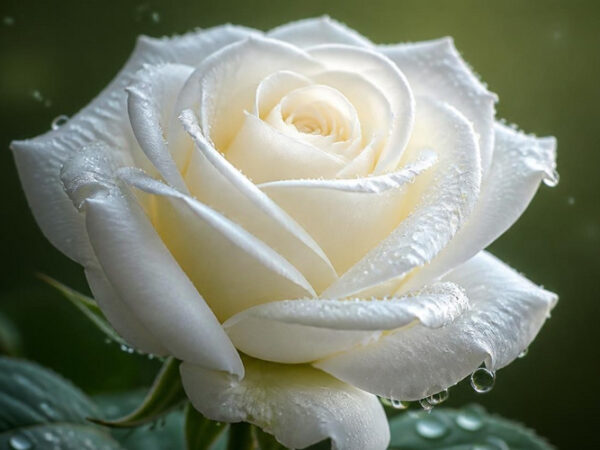
- White wolfsbane: Represents purity and healing, but also the hidden danger beneath innocence.
- Yellow wolfsbane: Associated with caution, intellect, and the sun’s power, yet still poisonous.
- Pink wolfsbane: Symbolizes love and compassion, but warns of the potential for emotional pain.
Frequently Asked Questions
Q: Is wolfsbane the same as aconite?
A: Yes, wolfsbane is a common name for plants in the genus Aconitum, also called monkshood or aconite. All parts of the plant are highly toxic.
Q: Can wolfsbane really repel werewolves?
A: In folklore, wolfsbane was believed to repel or cure werewolves, but this is a myth with no scientific basis. The belief likely arose from the plant’s toxicity and its historical use against wolves.
Q: What does wolfsbane symbolize in a dream?
A: Dreaming of wolfsbane often signals hidden danger, the need for protection, or a warning about a toxic influence in your life. The exact meaning depends on the dream’s context.
Q: Is wolfsbane used in modern medicine?
A: In traditional medicine, aconite has been used in tiny, controlled doses for pain and inflammation, but it is rarely used in modern Western medicine due to its extreme toxicity. It is still used in some forms of Chinese medicine under strict supervision.
Related Symbols
- Werewolf: Directly linked in folklore; wolfsbane is the classic werewolf repellent.
- Poison ivy: Another toxic plant symbolizing hidden danger and caution.
- Nightshade: A poisonous plant associated with witchcraft and death.
- Mandragora (mandrake): A magical plant with protective and dangerous properties.
- Cerberus: The three-headed dog from Greek myth, from whose foam wolfsbane was said to grow.