Briefly
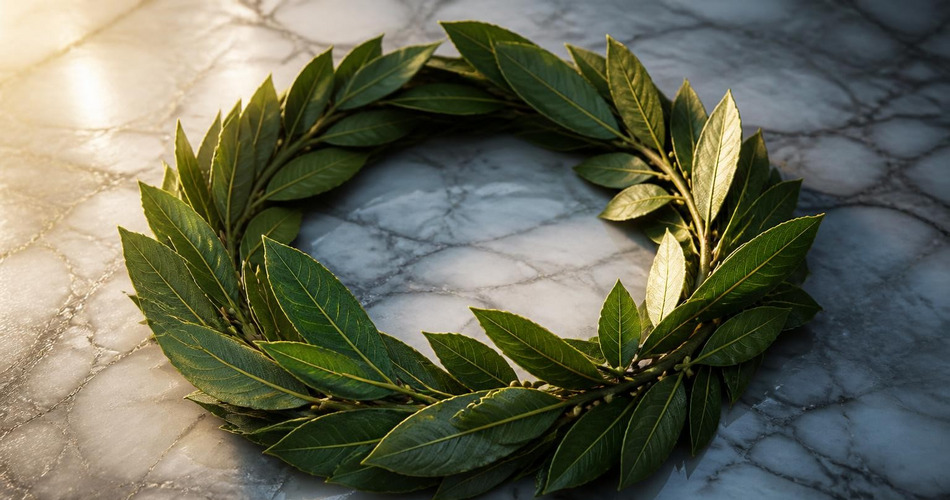
Laurel symbolizes victory, achievement, and distinction, rooted in ancient Greek and Roman practices where wreaths of laurel leaves crowned triumphant athletes, poets, and military leaders. The evergreen nature of the laurel plant also associates it with immortality, renewal, and endurance. Beyond its classical origins, laurel represents honor, wisdom, and peace, appearing in modern contexts such as academic laurels and heraldic emblems. Its broad cultural resonance makes it a timeless emblem of success and recognition.
What Does Laurel Symbolize?
Laurel is most widely recognized as a symbol of victory and accomplishment. This association stems from ancient Greek and Roman traditions where laurel wreaths were bestowed upon winners of athletic competitions, military commanders celebrating triumphs, and poets achieving renown. The plant’s evergreen leaves, which remain green throughout the year, also symbolize immortality and eternal glory, as they do not wither like many other foliage.
In addition to victory, laurel represents honor and distinction. The phrase “resting on one’s laurels” reflects this meaning, describing someone satisfied with past achievements. Conversely, earning “laurels” implies active striving for excellence. Laurel also connects to wisdom and prophecy, particularly through its association with Apollo, the god of knowledge and arts. In some contexts, laurel signifies peace, as its leaves were used in purification rituals and to signal truce.
Positive and Negative Meanings
Positive associations: Laurel primarily conveys triumph, success, and high achievement. It is a universal badge of honor in academics, sports, and the arts, often used in diplomas, medals, and crests to denote excellence. Its evergreen nature also symbolizes resilience, longevity, and enduring fame.
Negative meanings: The same association with past glory can imply complacency or stagnation—hence the cautionary phrase “resting on one’s laurels,” which warns against laziness after initial success. In some contexts, laurel may also represent arrogance or pride, as the pursuit of honor can lead to conceit.
History and Origins of the Symbolism
The symbolic use of laurel (Laurus nobilis) originates in ancient Mediterranean civilizations. In Greek mythology, the laurel is sacred to Apollo, the god of music, prophecy, and healing. According to the myth, the nymph Daphne transformed into a laurel tree to escape Apollo’s advances; Apollo then adopted the laurel as a symbol of his devotion and honor. This story imbued the plant with meanings of both victory and unattainable desire.
In ancient Greece, laurel wreaths—called “stephanos”—were awarded to winners of the Pythian Games held at Delphi, which honored Apollo. The Romans continued this practice, crowning victorious generals during their triumphs and later using laurel in official state ceremonies. The laurel branch also became a Roman symbol of peace, as it was often offered as an olive branch alternative in diplomatic contexts.
During the Renaissance, laurel imagery revived in European art and literature, often appearing in portraits of poets and scholars. The term “baccalaureate” (bachelor’s degree) derives from “bacca lauri,” meaning laurel berry, linking the plant to academic achievement. This tradition persists today in graduation ceremonies and academic regalia.
Symbolism in Different Cultures
In Western culture, laurel remains a dominant symbol of victory and honor, used in Olympic medals, military insignia, and institutional logos. The United States presidential seal, for example, features a laurel wreath around the eagle’s head.
In Chinese and Japanese traditions, laurel is less prominent but appears in some contexts as an emblem of spring and renewal. The leaves are sometimes used in decorative motifs representing longevity due to their evergreen property.
In heraldry, laurel branches appear frequently in coats of arms to signify triumph, honor, and peace. The laurel wreath is a common charge in European heraldry, often surrounding a central emblem to denote achievement or noble status.
Spiritual Meaning
Spiritually, laurel symbolizes enlightenment and divine favor. In ancient Greece, the laurel was associated with Apollo’s gift of prophecy; priestesses at Delphi, known as Pythia, were said to chew laurel leaves to induce visions. This connection aligns laurel with truth-seeking and higher knowledge.
In some traditions, laurel is also a protective plant, believed to ward off evil spirits and negative energy. Its leaves were used in purification rituals and are still sometimes burned as incense for cleansing and meditation. The evergreen quality of the plant reinforces themes of eternal life and spiritual endurance.
In Myths and Folklore
The most famous myth involving laurel is the story of Apollo and Daphne from Ovid’s Metamorphoses. As Apollo pursued the nymph Daphne, she prayed for help and was transformed into a laurel tree. Apollo then declared the laurel sacred, promising to wear its leaves as a symbol of his eternal love and honor. This myth explains the origin of the laurel wreath as an emblem of triumph and devotion.
In Roman folklore, laurel was considered a protective plant. Romans believed that lightning never struck laurel trees, so they planted them near their homes for safety. Laurel branches were also placed in temples and carried in religious processions to purify spaces and invoke divine blessing.
In Art and Literature
Laurel appears throughout Western art as a motif of victory. In ancient Roman sculpture, emperors are frequently depicted wearing laurel wreaths, such as in the Augustus of Primaporta statue. During the Renaissance, painters like Raphael and Botticelli included laurel in allegorical works to signify wisdom and fame.
In literature, laurel is referenced in Shakespeare’s plays as a symbol of triumph and honor. In Henry V, the king is said to wear “the wreath of conquest.” Poets throughout history, from Petrarch to English Romantics, have used the laurel as a metaphor for poetic achievement—the term “poet laureate” originates from the tradition of crowning distinguished poets with laurel. Dante Alighieri, for instance, aspired to be crowned with laurel in Florence.
In modern contexts, laurel appears in film medals, academic seals, and even the logos of brands like Montblanc and the Nobel Prize organization.
Meanings of Different Types, Colors, or Variations
While the classic laurel wreath is made from the leaves of Laurus nobilis, variations exist in symbolism. A plain laurel wreath often denotes achievement, while a wreath intertwined with other plants, such as oak, may symbolize strength combined with victory. In heraldry, a laurel branch oriented differently can alter its meaning: a branch pointing upward suggests triumph, while a drooping branch might represent mourning or loss. The color of the leaves—deep green—reinforces the themes of growth and enduring life.
Frequently Asked Questions
Q: What does a laurel wreath symbolize in modern times?
A: A laurel wreath continues to symbolize victory, achievement, and honor, seen in contexts like Olympic medals, academic diplomas, and military insignia.
Q: Why is laurel associated with Apollo?
A: According to Greek myth, Apollo’s pursuit of Daphne led to her transformation into a laurel tree; he then made the tree sacred, linking it to prophecy, music, and victory.
Q: Is laurel considered a lucky plant?
A: In some cultures, laurel is considered protective and purifying, associated with good fortune and spiritual clarity.
Related Symbols
- Olive branch – peace and reconciliation, often contrasted with laurel’s victory meaning
- Oak – strength and endurance, sometimes combined with laurel in heraldry
- Palm frond – victory and triumph in ancient Rome and Christianity
- Bay leaf – culinary and medicinal uses, same plant as laurel
- Crown – sovereignty and honor, sharing laurel’s association with achievement