Briefly
Oleander is a striking flowering shrub known for its vibrant blossoms and extreme toxicity. Its symbolism is deeply dual: it represents both beauty and danger, resilience and caution. Across cultures, oleander has been associated with warning, survival in harsh conditions, and the hidden perils that can accompany allure. This complex flower serves as a reminder that not everything beautiful is safe, and that strength can coexist with toxicity.
What Does Oleander Symbolize?
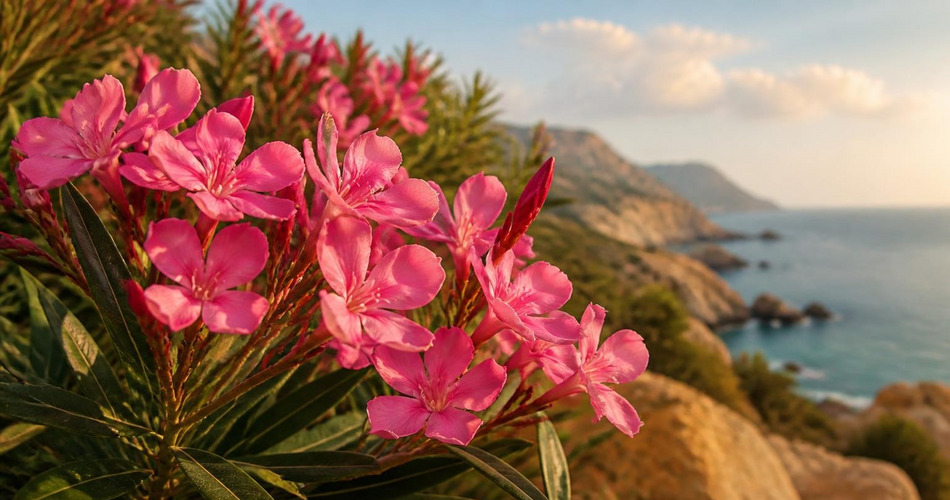
Oleander primarily symbolizes a warning about hidden danger. Its lush, colorful flowers attract the eye, yet every part of the plant is poisonous if ingested. This contrast makes it a symbol of caution, deceit, and the potential for harm beneath a pleasing exterior. At the same time, oleander’s ability to thrive in poor soil, drought, and coastal salt spray gives it meanings of resilience, endurance, and survival against the odds.
In the language of flowers, oleander can signify both caution and seduction, reflecting the tension between attraction and risk. It is also sometimes used to represent unexpected danger or the fragility of life when beauty masks a threat.
Positive and Negative Meanings
Positive associations: Oleander is admired for its remarkable hardiness and tenacity. It flourishes in difficult environments—along highways, in dry coastal areas, and in poor soils—making it a symbol of strength, adaptability, and persistence. Its long blooming season and profusion of flowers also represent vitality and the ability to bring beauty to barren places.
Negative meanings: The plant’s extreme toxicity, which can cause severe illness or death if ingested, gives oleander strong negative associations with poison, danger, and treachery. In many contexts, it symbolizes deceit, seduction with harmful intent, and the hidden perils that accompany superficial charm. Its use in suicide and murder cases has reinforced its link to death and malice.
History and Origins of Oleander Symbolism
Oleander (Nerium oleander) is native to the Mediterranean region, South Asia, and parts of China. Ancient civilizations, including the Greeks, Romans, and Persians, recognized both its beauty and its deadly properties. The plant’s scientific name comes from the Greek word nerion, which refers to the aquatic nymphs of Greek mythology, linking oleander to watery environments and mythical beings.
Pliny the Elder, the Roman naturalist, described oleander as a poisonous plant that could kill dogs and other animals. In ancient Greek medicine, it was used cautiously for external treatments but warned against internal use. The plant’s long history in these regions has embedded it in local folklore as a plant of both protection and peril.
Oleander Symbolism in Different Cultures
In Greek mythology, a story tells of a hero who, after angering the gods, was turned into an oleander tree as a punishment—its beauty masking a curse. This tale reinforces the flower’s association with hidden danger and divine retribution.
In Persian culture, oleander was sometimes planted near homes as a protective barrier, its toxicity believed to ward off evil spirits and intruders. This reflects a belief in the plant’s ability to guard through its dangerous qualities.
In India, oleander (known as kaner) has a more ambivalent role. It is used in some traditional medicinal practices, but its poisonous nature is well known. In Hindu rituals, oleander flowers are sometimes offered to deities, particularly Shiva, representing both devotion and the recognition of life’s dualities—creation and destruction.
In Western cultures, especially during the Victorian era, oleander was often included in floral arrangements as a symbol of caution and warning. Its presence in gardens was a reminder of the line between beauty and danger, a theme that resonated with Victorian sensibilities about morality and hidden vice.
Spiritual Meaning of Oleander
Spiritually, oleander represents the need for discernment. Its dual nature—attractive yet lethal—teaches that appearances can be deceiving and that wisdom is required to distinguish genuine safety from concealed threats. It can also symbolize spiritual protection, as its toxicity can be seen as a defense against harmful influences, much like the plant itself repels animals and pests.
In some esoteric traditions, oleander is used in protective amulets or rituals, though always with caution due to its poison. Its energy is considered grounding and defensive, helping to create boundaries and repel negativity.
Oleander in Myths and Folklore
In European folklore, oleander was sometimes called “the plant of treachery” because of accounts of soldiers or travelers being poisoned after using oleander branches as skewers or stirring sticks, unaware of the plant’s toxicity. Similarly, stories tell of children becoming ill after playing with the flowers, reinforcing its reputation as a hidden threat in everyday life.
In Asian folklore, oleander is often associated with spirits or ghostly phenomena, possibly because of its historical use in suicides and poisonings. In some regions, it is considered unlucky to plant oleander near houses with children or livestock, reflecting a deep-seated cultural awareness of its danger.
A recurring motif in folklore across cultures is the idea that oleander can reveal a person’s true nature—if someone is attracted to the flower without caution, they may be reckless or naive, while those who appreciate it from a distance show wisdom.
Oleander in Dreams
Dreams featuring oleander often relate to themes of deception, hidden threats, or attractions that may lead to harm. The presence of a beautiful but poisonous plant can suggest that something in the dreamer’s waking life appears appealing but carries concealed risks. Oleander in dreams may also symbolize personal resilience in a difficult situation, or a warning to be cautious about a person or opportunity.
Common Dream Scenarios
- Seeing an oleander in full bloom: May indicate a situation that seems attractive but could be dangerous. A reminder to look beyond surface appearances.
- Smelling oleander flowers: Could represent the intoxicating allure of something that is ultimately harmful. It may also be a warning about being misled by charm.
- Picking or touching oleander: Suggests the dreamer is engaging with something risky. It may urge caution or signal a need to avoid dangerous entanglements.
- Being poisoned by oleander: May reflect feelings of being harmed by a relationship, habit, or environment that initially seemed beneficial.
Oleander in Superstitions and Omens
Oleander has long been regarded with suspicion in many cultures, leading to a number of superstitions and omens. It is often seen as an ill omen when found growing near a home, particularly because of its historical use in poisonings and accidental deaths.
- In some Mediterranean regions, oleander is considered unlucky and is not brought indoors, as it is thought to bring misfortune or conflict.
- There is a widespread belief that oleander should never be planted near water sources, as its toxic leaves and petals can contaminate drinking water.
- In parts of South Asia, oleander is associated with mourning and is sometimes planted in cemeteries, linking it to death and remembrance.
- Some traditions hold that carrying a piece of oleander can protect against evil spirits, but only if handled with extreme care due to its poisonous nature.
Oleander in Art and Literature
In literature, oleander appears as a symbol of the dangerous beauty that can lead to destruction. For example, in The Awakening by Kate Chopin, the protagonist Edna Pontellier is described as having a “beautiful, mysterious” quality akin to an oleander, foreshadowing her eventual tragic fate. The flower also plays a key role in Oleander Girl by Chitra Banerjee Divakaruni, where it evokes both India and a sense of hidden family secrets and perilous journeys.
In visual art, the American painter Martin Johnson Heade included oleander in some of his still-life works, emphasizing the contrast between vibrant flowers and the underlying sense of mortality. The Pre-Raphaelite painters similarly used oleander to suggest sensuality tinged with danger.
In film, the 2016 mystery thriller The Girl on the Train features a character who grows oleander, and its toxic nature becomes a plot point, reinforcing its association with hidden violence and deception.
Meanings of Different Types or Colors of Oleander
Oleander flowers come in a range of colors, each adding nuance to the plant’s symbolism:
- Pink oleander: The most common color, associated with romance, grace, but also with the more dangerous, fleeting aspects of love.
- White oleander: Symbolizes purity, innocence, and mourning. In some cultures, white oleander is linked to funerals and remembrance.
- Red oleander: Represents passion, danger, and intense emotion. It amplifies the warning aspect of the flower.
- Yellow oleander: Less common, yellow oleander is associated with joy and friendship, but still carries the underlying toxicity that cautions against blind trust.
Frequently Asked Questions
Q: Is oleander always symbolic of danger?
A: While danger is a prominent theme, oleander also symbolizes resilience, beauty, and protection. Its meaning depends on cultural context and the specific association being emphasized.
Q: Why is oleander considered a protective plant if it is poisonous?
A: In some traditions, its toxicity is seen as a natural deterrent against malevolent forces. By planting oleander, people sought to create a barrier that would repel both physical and spiritual threats.
Q: Can oleander be used in positive symbolism?
A: Yes, its ability to thrive in harsh conditions makes it a positive symbol of endurance, strength, and the capacity to bring beauty to difficult environments. It also represents caution and wisdom—important virtues in many cultures.
Related Symbols
- Laurel — often contrasted with oleander for its positive associations with victory and honor
- Belladonna — another toxic flowering plant with dual meanings of beauty and danger
- Rose — shares the theme of beauty with hidden thorns, though less lethal
- Yew — a tree associated with death and protection, often planted in graveyards
- Nightshade — a famously poisonous plant linked to sorcery and cautionary tales