Briefly
The diadem, a jeweled headband or crown, has served as a potent symbol of royalty, sovereignty, and divine favor for millennia. Worn by rulers, deities, and victors, it signifies supreme authority, honor, and achievement. However, it can also represent pride, vanity, and the heavy burden of leadership. Across cultures and epochs, the diadem remains a powerful emblem of status and spiritual enlightenment.
What Does Diadem Symbolize?
At its core, the diadem symbolizes sovereignty and legitimate rule. As a circular ornament worn around the head, it suggests completeness, eternity, and the unbroken chain of authority. In many traditions, it also represents victory, triumph, and the highest honors—often bestowed upon military commanders or athletes in ancient Greece and Rome. Additionally, the diadem carries connotations of divine approval, as gods and goddesses are frequently depicted wearing diadems, linking earthly power to celestial endorsement.
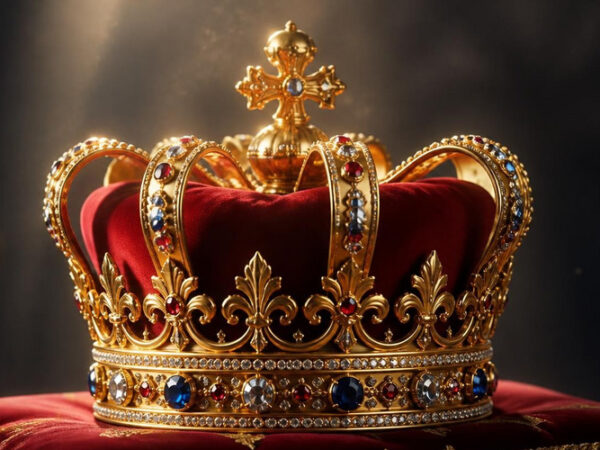
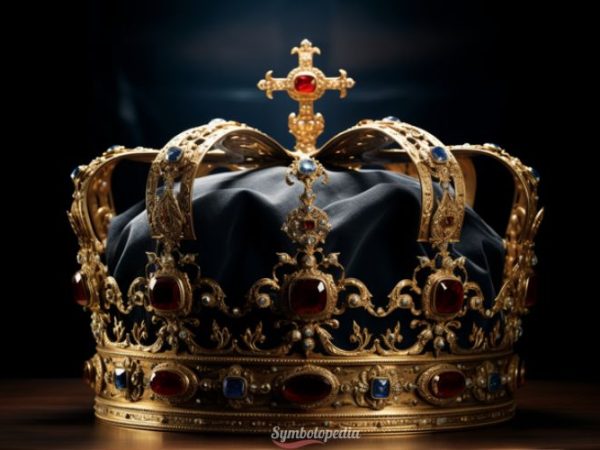
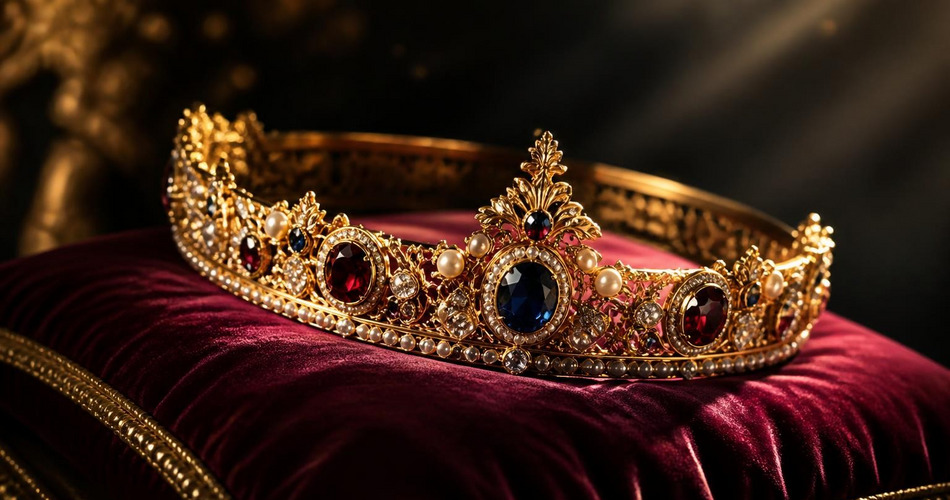
The materials used in a diadem—gold, precious stones, pearls—further enrich its meaning. Gold symbolizes wealth and incorruptibility, while gems add layers of protection, wisdom, or spiritual insight. The diadem thus becomes a focal point for both temporal power and transcendent ideals.
Positive and Negative Meanings
Positive associations: The diadem is universally regarded as a positive symbol of accomplishment, nobility, and divine blessing. It crowns a person’s highest achievements, whether in politics, warfare, or spiritual pursuits. In a personal context, it can represent self-respect, dignity, and the realization of one’s full potential. Wearing a diadem in dreams or art often signals recognition, success, and the attainment of a long-sought goal.
Negative meanings: Conversely, the diadem can embody arrogance, tyranny, and the corrupting influence of unchecked power. History records many rulers whose diadems became symbols of oppression rather than justice. In moral and religious allegories, the diadem may warn against hubris—the belief that one is above others or even divine. It can also signify the weight of responsibility, as a crown is said to rest heavily upon the head of a just ruler.
History and Origins of Diadem Symbolism
The word “diadem” comes from the Greek diadein (“to bind around”), and early forms were simple embroidered ribbons or bands worn around the forehead. The Persian Achaemenid kings adopted the diadem as a royal emblem, a practice later followed by Alexander the Great after his conquest of the empire. From there, the diadem became the standard headgear of Hellenistic monarchs, symbolizing their claim to the legacy of Alexander and the divine right to rule.
In ancient Rome, the diadem was initially rejected as a symbol of kingship—an affront to republican values—but was later embraced by emperors as a visible mark of autocracy. The Byzantine Empire transformed the diadem into a richly jeweled crown, combining Roman imperial authority with Christian sacred imagery. This fusion influenced the coronation regalia of medieval European monarchs, where the diadem evolved into the closed crown or tiara.
Diadem Symbolism in Different Cultures
In Greek culture, the diadem was worn by gods such as Zeus and Hera, and by victors in athletic contests. The “Diadem of Ariadne” is a famous mythological object that later became the constellation Corona Borealis, linking the diadem to love, marriage, and immortality.
In Persian tradition, the king’s diadem (or kidaris) was a tall, upright headdress symbolizing his role as the representative of the god Ahura Mazda on earth. It was considered sacred, and only the king could wear it.
In Indian culture, the mukuta or diadem appears in Hindu iconography, adorning deities like Vishnu and Shiva, as well as royal figures. It signifies cosmic authority and the divine order of the universe.
In Christian symbolism, the diadem is associated with the Virgin Mary as Queen of Heaven, and with martyrs who receive the “crown of life.” The Book of Revelation describes the twenty-four elders wearing golden diadems, representing the eternal sovereignty of God’s faithful.
Spiritual Meaning of Diadem
Spiritually, the diadem represents the crowning of the soul—the attainment of enlightenment, union with the divine, or the realization of one’s higher self. In many traditions, it is a reward for spiritual trials and virtues, such as faith, perseverance, and wisdom. The circular shape of the diadem also echoes the concept of cyclic time and the infinite nature of the spirit.
In meditation and visionary practices, visualizing a diadem can serve as a focal point for connecting with one’s inner authority and purpose. It reminds the wearer that true power arises from alignment with universal principles rather than personal ambition.
Diadem in Myths and Folklore
The most celebrated mythological diadem is that of Ariadne, the Cretan princess who helped Theseus escape the Labyrinth. In some versions, the god Dionysus gave her a golden diadem that was later placed among the stars as the constellation Corona Borealis. This diadem symbolizes love, betrayal, and eventual celestial honor.
In Norse mythology, the goddess Frigg wears a radiant headdress or diadem that glows like the sun, representing her role as queen of the gods and protector of marriage. Folklore often depicts magical diadems that grant invisibility, wisdom, or the power to command spirits—showing the diadem as a bridge between the human and the supernatural.
Diadem in Dreams
Dreaming of a diadem generally indicates a desire for recognition, success, or a sense of personal achievement. It may reflect ambitions for leadership or a need to take control of one’s life. The condition of the diadem—whether it is bright and intact or tarnished and broken—offers clues about the dreamer’s self-esteem and current challenges.
A diadem in a dream can also herald an impending honor or responsibility. For those facing difficult decisions, it may symbolize the weight of choice and the consequences of taking a leading role.
Common Dream Scenarios
- Receiving a diadem: Suggests an upcoming achievement, promotion, or spiritual reward. It may also indicate acceptance into a group or recognition of one’s efforts.
- Wearing a diadem: Reflects a sense of empowerment and confidence. However, if it feels uncomfortable or heavy, it may point to the burdens of leadership or societal expectations.
- Losing a diadem: Often signifies a fear of failure, loss of status, or insecurity about one’s abilities. It can also represent a missed opportunity.
- Finding a diadem: Indicates the discovery of hidden talents or a new sense of purpose. It may also predict unexpected good fortune or recognition.
Diadem in Art and Literature
In ancient Greek vase painting and sculpture, figures such as Athena and Nike are frequently shown wearing diadems, emphasizing their divine authority and victory. The Roman emperor Augustus is depicted with a radiate crown (a form of diadem) on coins, asserting his semi-divine status.
In Christian art, the Virgin Mary is often portrayed wearing a diadem as Queen of Heaven, especially in Renaissance works by artists like Botticelli (e.g., “The Coronation of the Virgin”) and Fra Angelico. The diadem here signifies her purity, intercessory power, and eternal reign.
In literature, William Shakespeare references diadems in several plays. In Antony and Cleopatra, Cleopatra’s diadem is a symbol of her queenly authority and her tragic downfall. John Milton’s Paradise Lost describes the “bright diadem” of the Son of God, underscoring his supreme majesty. In the Bible, the Book of Revelation (4:4) speaks of the twenty-four elders “having on their heads crowns of gold”—a vision that has influenced countless artistic depictions of diadems in apocalyptic art.
Diadem Tattoo Meaning
A diadem tattoo often represents personal sovereignty, self-worth, and the wearer’s claim to their own “crown” of accomplishment. It can symbolize overcoming life’s challenges and emerging victorious. For some, it serves as a reminder of one’s royal heritage or spiritual calling. The diadem tattoo may be chosen by those who see themselves as rulers of their own destiny, or as a tribute to a significant achievement such as graduation or career success.
Meanings of Different Types of Diadems
- Gold diadem: Symbolizes wealth, eternity, and unchanging authority. Gold’s incorruptibility makes it the preferred metal for royal and sacred headgear.
- Diadem with precious gems: Each gem adds its own meaning—rubies for passion and courage, sapphires for wisdom and divine favor, emeralds for hope and growth, diamonds for invincibility and purity.
- Pearl diadem: Pearls signify purity, innocence, and the feminine principle. Such diadems are often associated with brides or the Virgin Mary.
- Laurel diadem (wreath): In ancient Greece, a laurel diadem was a symbol of victory and achievement, particularly in athletic and poetic contests.
- Radiate crown: A diadem with rays representing the sun, worn by solar deities and Roman emperors to suggest divine light and omniscience.
Frequently Asked Questions
Q: What is the difference between a diadem and a crown?
A: A diadem is a specific type of crown, typically a jeweled or embroidered band worn around the forehead or head. While all diadems are crowns, not all crowns are diadems—crowns can be more elaborate, closed, or arched.
Q: Is a diadem the same as a tiara?
A: In modern usage, a tiara is a semicircular ornamental crown worn by women on formal occasions, while a diadem is a full circular band. Historically, the terms overlap, but a diadem is often associated with sovereign power, whereas a tiara is more decorative.
Q: Can a diadem have negative symbolism?
A: Yes, a diadem can represent arrogance, tyranny, and the corrupting influence of power. In allegorical works, it sometimes appears as a symbol of spiritual pride or worldly attachment.
Q: What does it mean to dream of a broken diadem?
A: A broken diadem in a dream often symbolizes a loss of status, shattered ambitions, or a fall from grace. It may also indicate a need to reassess one’s values and priorities.
Related Symbols
- Crown – The broader category of royal headgear; often interchangeable with diadem but can be more elaborate.
- Tiara – A decorative crown, often worn by women, associated with nobility and bridal symbolism.
- Laurel Wreath – A symbol of victory, honor, and achievement in ancient Greece and Rome.
- Scepter – A rod representing sovereign authority, often paired with a crown or diadem in regalia.
- Halo – A circular light around the head in religious art, sharing the diadem’s connotations of divine favor and sanctity.
- Circlet – A simple, unadorned band worn as a crown, often synonymous with diadem in medieval contexts.