Briefly
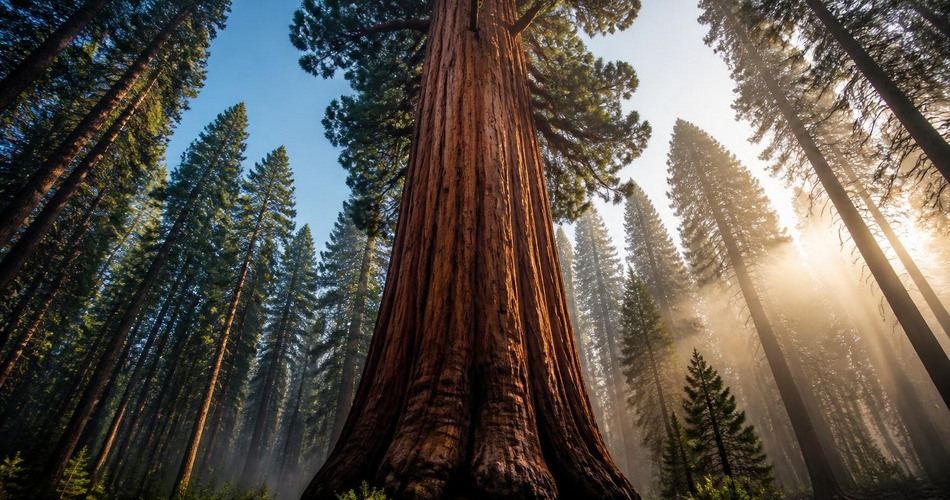
The sequoia tree is a powerful symbol of endurance, longevity, and ancient wisdom. These towering giants, among the largest and oldest living organisms on Earth, inspire awe and represent resilience against the passage of time. Sequoia symbolism often conveys protection, stability, and a profound connection to nature’s cycles of growth and renewal.
What Does Sequoia Symbolize?
The sequoia stands as one of nature’s most enduring symbols. Its primary associations revolve around endurance and longevity. Living for thousands of years and reaching immense heights, the sequoia embodies the ability to withstand challenges while continuing to grow. This makes it a potent symbol for personal perseverance and legacy.
Additionally, the sequoia symbolizes protection. Its massive trunk and broad root system provide shelter for countless species in its ecosystem. This protective quality extends to a sense of safety and grounding, connecting people to the stability of the natural world. The sequoia also represents wisdom, accumulated through centuries of silent observation and adaptation.
Positive and Negative Meanings
Positive associations: The sequoia overwhelmingly carries positive symbolism. It represents resilience, longevity, stability, and strength. It is a symbol of hope and continuity, reminding humans of their connection to something far older and larger than themselves. Stands of sequoias also symbolize community and interdependence, as their roots intertwine to support one another.
Negative meanings: Negative interpretations of the sequoia are rare, but the tree’s immense size can symbolize feelings of insignificance or being overwhelmed by forces beyond human control. Its slow growth could represent stagnation or stubbornness in some contexts. However, these are minor and not dominant aspects of sequoia symbolism.
History and Origins of Sequoia Symbolism
The sequoia (genus Sequoiadendron and Sequoia) is native to the western United States, particularly California. The name «Sequoia» honors Sequoyah, the Cherokee scholar who created the Cherokee syllabary, reflecting deep respect and cultural connection. European settlers first encountered these trees in the 19th century, and their immense size immediately inspired awe and symbolic meaning.
Early conservationists like John Muir viewed sequoias as sacred symbols of wilderness and preservation. The creation of national parks such as Sequoia National Park in 1890 cemented the tree’s role as an icon of American natural heritage and environmental stewardship. The sequoia’s symbolism evolved to represent not just natural wonder, but also the need for protection and respect for the ancient world.
Sequoia Symbolism in Different Cultures
For Native American tribes in the sequoia’s native range, the tree held practical and spiritual significance. The wood was used for building and tools, while the tree itself was often regarded as a sacred being embodying endurance and wisdom. Its enormous size and longevity made it a symbol of the eternal cycle of life.
In popular culture, the sequoia has become a global symbol of conservation and environmental awareness. It appears in literature, film, and photography as a representation of nature’s grandeur and fragility. The sequoia’s ability to survive wildfires, thanks to its thick bark, also makes it a symbol of resilience against adversity in many contemporary interpretations.
Spiritual Meaning of Sequoia
Spiritually, the sequoia is often seen as a symbol of grounding and connection to the Earth. Its deep roots and towering height represent the balance between the material and spiritual realms. Meditating on the image of a sequoia can evoke feelings of stability, strength, and peace.
The sequoia also carries spiritual meaning related to timelessness. Its long lifespan encourages contemplation of one’s place in the grand scheme of time and encourages patience and long-term thinking. Many people feel a sense of reverence and tranquility when standing among these ancient trees.
Sequoia in Myths and Folklore
While the sequoia does not have a rich body of mythic tales from non-Native American cultures due to its limited geographic range, it appears in local folklore and legend. Some stories among the Indigenous peoples of California speak of the tree as a wise elder or a giant that protects the forest. These tales emphasize respect and humility before nature’s power.
More recently, the sequoia has entered modern folklore as a symbol of survival in the face of climate change and human encroachment. It features in environmentalist narratives as a living monument to the planet’s ancient past and a reminder of the need for conservation.
Sequoia in Dreams
Dreaming of a sequoia tree often carries messages of stability and endurance. It may indicate that the dreamer possesses inner strength and resilience, or that they need to cultivate these qualities. The dream may also point to a desire for grounding and connection to nature.
A sequoia in a dream can symbolize a need for protection or a reminder to provide shelter and support for others. Alternatively, it might represent a legacy or long-term goal that requires patience and sustained effort.
Common Sequoia Dream Scenarios
- Standing before a giant sequoia: A sense of awe or insignificance; feeling overwhelmed by a situation or by the passage of time.
- Climbing a sequoia: Ambition and the drive to reach new heights; seeking a broader perspective.
- A sequoia in a forest fire: Resilience and survival; the ability to withstand challenges without being destroyed.
- Planting a sequoia seed: Long-term planning, faith in the future, and investing in something that will outlast you.
Sequoia in Art and Literature
The sequoia appears as a prominent symbol in the works of naturalist writers. John Muir, in his essays and books like My First Summer in the Sierra (1911), describes sequoias as «the most majestic of trees» and uses them to symbolize the sublime power and beauty of nature. His writings helped popularize the tree as an icon of wilderness.
In fiction, sequoias are often depicted as magical or ancient entities. For example, the forest of giant trees in the fantasy novel The Dark Is Rising sequence by Susan Cooper evokes the sequoia’s grandeur. Photographers like Ansel Adams captured sequoias in black-and-white images, emphasizing their monumental scale and spiritual presence.
Frequently Asked Questions
Q: What does a sequoia tree symbolize?
A: A sequoia tree primarily symbolizes endurance, longevity, protection, wisdom, and a deep connection to nature. It is a symbol of resilience and stability.
Q: Are sequoias mentioned in the Bible?
A: No, sequoias are not mentioned in the Bible. They are native to North America and were unknown in the biblical world.
Q: What is the spiritual meaning of a sequoia?
A: Spiritually, the sequoia represents grounding, timelessness, and a connection between Earth and sky. It encourages patience, strength, and reverence for nature.
Q: How long do sequoia trees live?
A: Giant sequoias can live for over 3,000 years, making them among the longest-living organisms on Earth. This longevity contributes to their symbolism of endurance and ancient wisdom.
Related Symbols
- Oak Tree — Similar symbolism of strength and endurance
- Redwood — Closely related tree species, shares symbolism of height and longevity
- Mountain — Symbol of stability, permanence, and grandeur
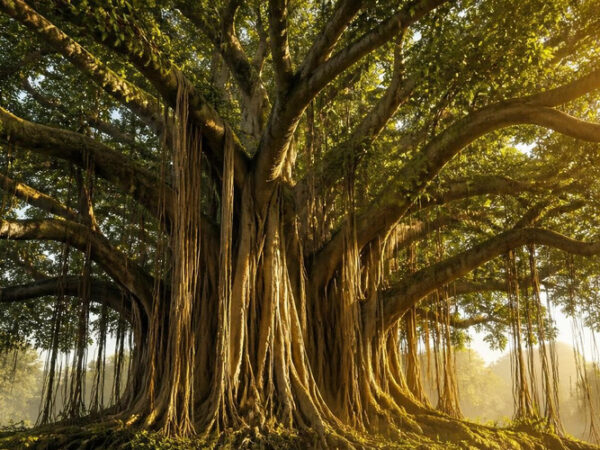
- Banyan Tree — Symbol of longevity and interconnectedness
- Forest — Represents mystery, life, and collective strength