
Briefly
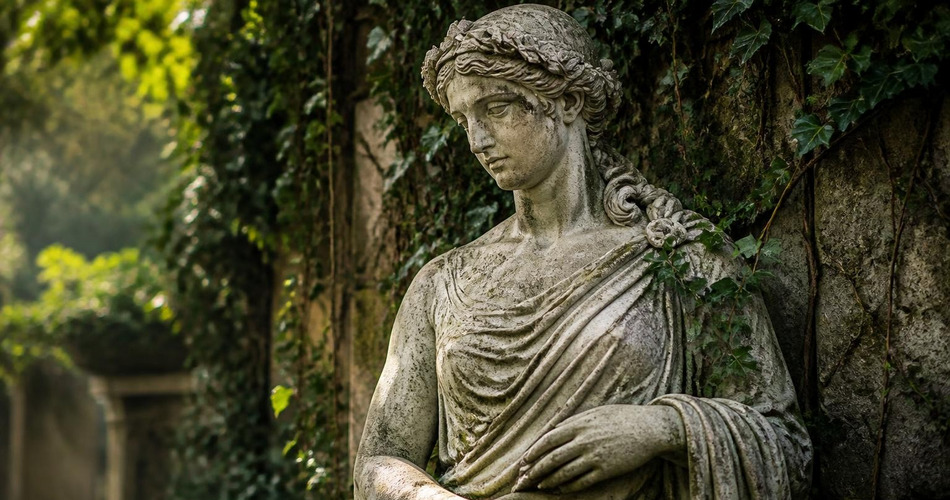
A statue is a three-dimensional representation, typically of a person, deity, or animal, carved or cast in durable materials like stone, metal, or wood. As a symbol, the statue represents permanence, memory, and the human desire to immortalize ideals, achievements, and beliefs. Statues serve as powerful focal points for collective identity, commemorating historical figures and embodying cultural or spiritual values across civilizations. They stand as silent witnesses to history, bridging the past and the present.
What Does a Statue Symbolize?
At its core, a statue symbolizes the human urge to preserve and honor. Unlike fleeting spoken words or perishable images, a statue is built to last, making it a powerful emblem of permanence and legacy. It represents an idealized form, whether of a god, a leader, or a concept, capturing a specific moment or virtue for eternal contemplation. Statues also symbolize authority and power; the act of erecting a statue is often a political statement, asserting the importance of the subject and the values they represent. Furthermore, statues function as vessels of memory, anchoring collective history in public space and serving as tangible links to ancestors, heroes, and foundational myths.
Positive and Negative Meanings of Statues
Positive associations: Statues inspire admiration, education, and cultural pride. They commemorate noble deeds, celebrate artistic achievement, and provide a physical focus for spiritual devotion and national unity. A well-crafted statue can elevate the human spirit and serve as a beacon of shared values.
Negative meanings: Conversely, statues can represent rigid authority, propaganda, and the cult of personality. They can become symbols of oppression when used to glorify tyrants or unjust regimes. The toppling of statues throughout history powerfully illustrates their role as targets for revolutionary anger. Additionally, a statue can symbolize vanity, ego, and the futile attempt to defy the natural decay of time.
History and Origins of Statue Symbolism
The creation of statues dates back to prehistory, with early examples like the Venus of Willendorf serving as fertility symbols. In ancient Egypt, statues were functional components of religious ritual, serving as homes for the ka (spirit) of the deceased. The ancient Greeks revolutionized the form, moving from rigid kouroi to the idealized naturalism of the Classical period. Roman statuary focused on realistic portraiture for political propaganda. The tradition continued through the Renaissance, which revived classical ideals, and into the modern era, where statues have evolved to include abstract and conceptual forms.
Statue Symbolism in Different Cultures
In Western art, the statue symbolizes humanism and individual achievement, from Michelangelo’s David to Mount Rushmore. In Hinduism and Buddhism, statues (murtis) are consecrated as living embodiments of the divine, serving as focal points for prayer and meditation. In many African cultures, statues act as vessels for ancestral spirits. The Easter Island moai represent deified ancestors, while in Chinese culture, guardian lion statues protect against negative energies, and the Terracotta Army symbolizes absolute power extending into the afterlife.
Spiritual Meaning of Statues
Spiritually, a statue acts as an anchor for energy and intention. Creating a statue is seen as a way to make the divine immanent, giving form to the formless. The consecration of religious statues is a sacred act, believed to invite the presence of the deity into the physical representation. The stillness and solidity of a statue symbolize the unchanging, eternal aspect of the spirit, offering stability and grounding.
Statues in Myths and Folklore
Myths are rich with stories of statues coming to life. The most famous is the Greek myth of Pygmalion, a sculptor who falls in love with his own ivory statue, Galatea, which is brought to life by Aphrodite. This symbolizes the artist’s desire to create life and the boundary between art and reality. In Jewish folklore, the Golem is a clay creature animated to protect the community, often becoming uncontrollable. The talking statues of Rome, such as Pasquino, were used for anonymous political satire, giving the statue a voice of dissent.
Statues in Dreams
In dreams, a statue often represents something fixed, frozen, or idealized in the dreamer’s life. It can symbolize a person or memory that has become rigid or unchanging. A statue of a loved one might represent grief or the desire to preserve a relationship. Dreaming of a statue can also point to feelings of being stuck, observed, or put on a pedestal.
Common Dream Scenarios Involving Statues
- A statue coming to life: This often symbolizes a sudden awakening, the realization that something previously thought of as static is full of potential. It can represent a breakthrough or a hidden truth emerging.
- A crumbling or broken statue: This is a powerful symbol of the fall of an ideal, the end of an era, or the shattering of a long-held belief. It represents disillusionment with a person or institution.
- A statue of yourself: Dreaming of a statue of yourself suggests a focus on your own legacy, reputation, or public image. It may indicate feeling idolized or trapped by others’ expectations.
- A giant statue: This often represents an overwhelming authority figure, a massive challenge, or a powerful ideal that looms large in the dreamer’s life.
Statues in Superstitions and Omens
Statues are central to many superstitions. A statue of Ganesh is thought to remove obstacles, while a Maneki-neko brings good luck to businesses. Conversely, some statues are considered cursed, particularly those taken from archaeological sites, giving rise to stories of haunted artifacts. The belief that statues can weep or bleed is often interpreted as a divine omen.
Statues in Art and Literature
The statue is a recurring motif in art and literature. In Ovid’s Metamorphoses, the story of Pygmalion explores the artist’s love for his creation. Percy Bysshe Shelley’s poem Ozymandias uses a ruined statue to reflect on the transience of power. In Shakespeare’s The Winter’s Tale, the statue of Hermione symbolizes forgiveness and restoration. In visual art, Michelangelo’s David symbolizes the ideal human form, while Rodin’s The Thinker has become a universal symbol of philosophy.
Statue Tattoo Meaning
As a tattoo, a statue often represents a commemoration of a specific person, rendered in a classical memorial style. It can also symbolize a love for history, art, or mythology. A statue tattoo might represent the wearer’s desire for permanence and stability, or signify a stoic, unshakeable nature. Greek and Roman statue tattoos are popular for their association with specific virtues.
Meanings of Different Types of Statues
- Equestrian statues: Almost exclusively a symbol of political and military power, representing a leader’s command and control.
- Religious statues: These serve as conduits for the divine, representing faith, protection, and the intercession of saints or deities.
- Busts: Focusing on the head and shoulders, busts emphasize intellect, personality, and individual character.
- Abstract statues: Modern abstract statues symbolize concepts rather than people, representing movement, energy, or emotion.
- Garden statues: Often depicting classical figures, these symbolize a connection to nature, tranquility, and cultivated beauty.
Frequently Asked Questions About Statue Symbolism
Q: What does a broken statue symbolize?
A: A broken statue is a potent symbol of the fall of a regime, the end of an era, or the inevitable decay of all things. It represents disillusionment and the transient nature of power.
Q: Why are statues often made of bronze or marble?
A: These materials are chosen for their durability, beauty, and value. Bronze allows for dynamic poses, while marble captures the softness of human skin, making them ideal for lasting monuments.
Q: What is the symbolism of a statue coming to life in a story?
A: This common trope symbolizes the power of art, love, or faith to transcend the boundary between the inanimate and the living. It represents the fulfillment of a deep desire or the awakening of hidden potential.
Q: What does it mean to dream of a statue?
A: Dreaming of a statue often represents something fixed or idealized in your life. It can symbolize a person you have put on a pedestal, a frozen memory, or a feeling of being stuck.
Related Symbols
- Monument: A structure created to commemorate a person or event, emphasizing collective memory.
- Idol: An image or statue representing a deity, often used in worship.
- Effigy: A sculpture or model of a person, often used in rituals for protest or magic.
- Bust: A sculpted representation of the upper part of the human figure.
- Sculpture: The broader art form of creating three-dimensional forms.
