Briefly
Good luck is a concept that represents favorable fortune, positive outcomes, and the hope that events will turn out well. Across cultures, people have sought to attract good luck through charms, rituals, and symbols believed to channel benevolent forces. While the idea of luck itself is intangible, its symbolic expressions—such as four-leaf clovers, horseshoes, and rabbit’s feet—are deeply embedded in human tradition and psychology. Good luck symbolism often reflects a desire for protection, abundance, and a sense of control over uncertain circumstances.
What Does Good Luck Symbolize?
Good luck symbolizes the anticipation of positive events and the belief that unseen forces can influence outcomes in one’s favor. It is closely tied to concepts of fate, destiny, and serendipity. In many traditions, good luck is not merely random chance but a reward for virtuous behavior, proper rituals, or the possession of certain objects. The symbolism of good luck often overlaps with protection, as many lucky charms are also believed to ward off misfortune. Additionally, good luck represents hope and optimism, serving as a psychological anchor that encourages people to take risks and pursue goals despite uncertainty.
Positive and Negative Meanings
Positive associations: Good luck is overwhelmingly seen as a desirable force that brings prosperity, health, success, and happiness. Lucky symbols are used to attract positive energy, celebrate achievements, and mark new beginnings. In many cultures, giving a good luck charm is a gesture of goodwill and support, reinforcing social bonds and shared hopes.
Negative meanings: The concept of good luck can also have a darker side. Overreliance on luck may lead to passivity or superstition that replaces rational decision-making. In some belief systems, excessive good luck is viewed with suspicion, as it might attract envy or require a future repayment of bad luck. The phrase “beginner’s luck” hints at the idea that luck can be fleeting and unearned, sometimes causing resentment or feelings of undeserved advantage.
History and Origins of Good Luck Symbolism
The human fascination with luck dates back to prehistoric times. Early humans sought to influence their environment through rituals and talismans, often associating certain animals, plants, or natural phenomena with favorable outcomes. The ancient Egyptians used scarab beetles as amulets for protection and luck, while the Romans carried phallic charms (fascinum) to ward off the evil eye and attract fortune. In medieval Europe, horseshoes were nailed over doors to repel witches and bring good luck, a practice that persists today. The four-leaf clover became a symbol of luck in Celtic cultures, where each leaf was said to represent faith, hope, love, and luck. The rabbit’s foot as a lucky charm likely originated in African American folk magic (hoodoo) and spread through popular culture. These historical roots show that good luck symbolism is a universal human attempt to manage uncertainty and invite positive outcomes.
Good Luck Symbolism in Different Cultures
In Chinese culture, the color red and the character for “fortune” (福) are ubiquitous symbols of good luck, especially during Lunar New Year. The Maneki-neko (beckoning cat) is a common Japanese talisman believed to attract wealth and good fortune. In Hinduism, the swastika (an ancient symbol, later co-opted by Nazi Germany) originally represented good luck and well-being. In many Western cultures, finding a four-leaf clover or a penny is considered lucky, while in Ireland, the shamrock is associated with both luck and national identity. In Islamic traditions, the hand of Fatima (hamsa) is used as a protective symbol against the evil eye, often also linked to bringing good fortune. These examples illustrate how good luck symbolism adapts to local beliefs while serving the same fundamental purpose of inviting positive energy.
Spiritual Meaning of Good Luck
From a spiritual perspective, good luck is often interpreted as a sign of divine favor, alignment with cosmic forces, or the result of positive karma. In many religions, prayers and blessings are offered to invoke good luck for important endeavors. In New Age spirituality, good luck is seen as a manifestation of one’s intentions and vibrational frequency—the idea that like attracts like. Some traditions view good luck as a test: too much good fortune may lead to complacency, while adversity is seen as a lesson. The spiritual meaning of good luck emphasizes gratitude and humility, reminding individuals that luck is not solely a personal achievement but a gift from the universe or a higher power.
Good Luck in Myths and Folklore
Myths and folklore around the world are rich with tales of lucky charms and fortuitous events. In European folklore, leprechauns are said to grant three wishes or reveal hidden pots of gold to those who catch them, embodying the promise of sudden good luck. The Japanese myth of the “lucky cat” (Maneki-neko) tells of a cat that saved a lord from a lightning strike, leading to its veneration as a bringer of fortune. In Norse mythology, the god Odin’s ravens Huginn and Muninn were considered omens of luck or doom depending on their behavior. African and African American folklore includes stories of the “lucky rabbit” that outwits predators, linking the animal’s quickness to good fortune. These narratives reinforce cultural values and provide explanations for why certain objects or animals are considered lucky.
Good Luck in Dreams
Dreams about good luck often reflect the dreamer’s hopes, anxieties, or subconscious processing of real-life opportunities. Common dream scenarios include finding money, winning a prize, or discovering a lucky object. While dream interpretation is subjective, many cultures consider such dreams as positive omens or as encouragement to take action. For example, dreaming of a four-leaf clover might symbolize an upcoming opportunity, while dreaming of a horseshoe could indicate protection from harm. However, dreams of excessive luck may also warn against overconfidence or reliance on chance rather than effort.
Common Dream Scenarios
- Finding a four-leaf clover: Often interpreted as a sign of imminent good fortune or a reminder to stay optimistic.
- Winning a lottery or contest: May represent a desire for financial freedom or a feeling of being undervalued in waking life.
- Receiving a lucky charm: Could symbolize support from others or a need for protection during a risky period.
- Seeing a rainbow: In many traditions, rainbows are associated with luck and the fulfillment of wishes after hardship.
- Encountering a rabbit or hare: These animals are often linked to luck and quick thinking in folklore, suggesting the dreamer should act swiftly.
Good Luck in Superstitions and Omens
Superstitions about good luck are among the most widespread and varied in human culture. Common beliefs include:
- Four-leaf clover: Each leaf represents something different—faith, hope, love, and luck—and finding one is said to bring good fortune.
- Horseshoe: Hanging a horseshoe with the ends pointing up is believed to catch and hold good luck; pointing down is said to let it drain away.
- Rabbit’s foot: Carrying a rabbit’s foot is thought to bring luck, especially if the rabbit was killed during a full moon or by a cross-eyed person (in some traditions).
- Crossed fingers: Making the sign of the cross with one’s fingers is a gesture used to wish for good luck or to avert bad luck.
- Knocking on wood: This practice is believed to prevent tempting fate after boasting about good fortune.
- Ladybug landing on you: In many European cultures, a ladybug is seen as a bringer of good luck, and killing one is considered bad luck.
- Finding a penny: The rhyme “Find a penny, pick it up, and all day long you’ll have good luck” is widely known in English-speaking countries.
Good Luck in Art and Literature
The concept of good luck has inspired numerous works of art and literature. In John Steinbeck’s novel Of Mice and Men, the character Lennie carries a rabbit’s foot for luck, highlighting the character’s childlike hope and the fragility of dreams. The four-leaf clover appears in many poems and children’s stories as a symbol of rare fortune. In visual art, the painting The Lucky Find by William Powell Frith depicts a woman discovering a coin, capturing the joy of unexpected luck. In film, the 2003 comedy Bruce Almighty explores the idea of controlling luck and the consequences of manipulating fate. These examples show how good luck serves as a narrative device to explore themes of hope, chance, and human vulnerability.
Frequently Asked Questions
Q: What is the most common good luck symbol?
A: The four-leaf clover is one of the most widely recognized good luck symbols, especially in Western cultures. Other common symbols include the horseshoe, rabbit’s foot, and Maneki-neko (lucky cat) in Japan.
Q: Why is a horseshoe considered lucky?
A: The horseshoe’s association with luck dates back to medieval Europe, where iron was believed to ward off evil spirits. Its U-shape was thought to catch and hold good fortune, and it was often nailed over doorways for protection.
Q: Can good luck be created or attracted?
A: Many cultures believe that certain actions, objects, or rituals can attract good luck. While there is no scientific evidence for this, the belief itself can boost confidence and create a positive mindset, which may lead to better outcomes.
Q: Is good luck the same in all cultures?
A: No, good luck symbols and beliefs vary widely across cultures. For example, in China, the color red and the character for fortune are lucky, while in India, the swastika (in its traditional form) is considered auspicious. Each culture adapts the concept to its own traditions and worldview.
Related Symbols
- Four-leaf clover – rare variant of the shamrock, symbolizes luck and hope
- Horseshoe – iron talisman for protection and fortune
- Rabbit’s foot – charm for good luck, especially in American folk magic
- Maneki-neko – Japanese beckoning cat, attracts wealth and luck
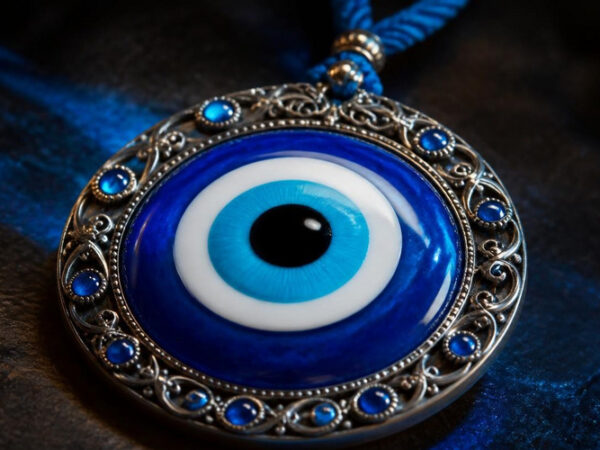
- Evil eye – protective symbol that wards off bad luck
- Scarab beetle – ancient Egyptian amulet for protection and good fortune
- Shamrock – Irish symbol of luck and national pride