Briefly
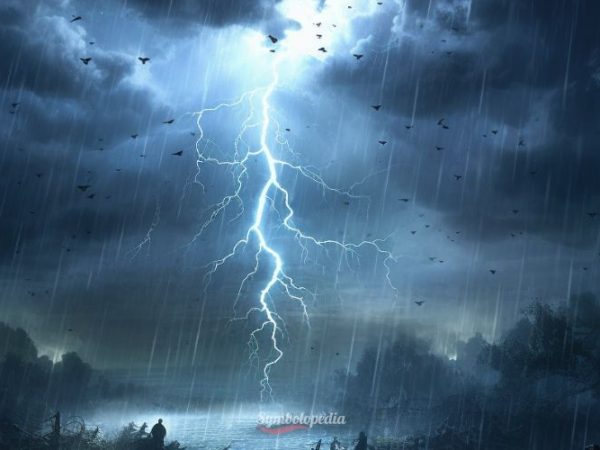
Chain lightning, characterized by its broken, branching path across the sky, is a powerful natural symbol of sudden, unpredictable change and divine communication. Unlike a single lightning bolt, its fragmented form represents the breaking of continuity, the shattering of old patterns, and the rapid dissemination of energy or information. Across cultures, it is seen as a weapon of the gods, a tool of creation and destruction, and a profound sign of nature’s immense power.
What Does Chain Lightning Symbolize?
Chain lightning symbolizes the raw, untamed power of nature and the heavens. Its distinct appearance—a rapid, zigzagging, often forked path—makes it a potent emblem of sudden illumination, both literal and metaphorical. It represents a flash of insight, a moment of clarity that cuts through darkness and confusion. The “chain” aspect implies connection, linking the sky and the earth, or the divine and the mortal. It can also symbolize the interconnectedness of events, where one action triggers a rapid sequence of consequences. Its unpredictable nature makes it a symbol of fate, destiny, and the sudden, often violent, changes that life can bring.
Positive and Negative Meanings
Positive associations: Chain lightning embodies the spark of life and creation. It is a symbol of sudden enlightenment, divine inspiration, and the dynamic energy that drives transformation. In many traditions, it represents the power to overcome obstacles and the swift justice of the gods. The light it brings can dispel ignorance and reveal hidden truths, offering clarity and direction to those who witness it.
Negative meanings: The destructive potential of chain lightning is immense. It symbolizes sudden catastrophe, uncontrollable rage, and the wrath of the divine. Its unpredictability makes it a symbol of danger and chaos, representing forces that can destroy without warning. The fear it inspires is a reminder of the fragility of human life and the overwhelming power of nature, capable of bringing swift and total devastation.
History and Origins of the Symbolism
The symbolism of lightning, and specifically chain lightning, is as old as human observation of storms. Early humans, witnessing the terrifying power of lightning strikes that could split trees and start fires, naturally attributed them to powerful deities. The specific term “chain lightning” describes the visual phenomenon of a lightning discharge that appears to move in a chain-like or dashed line. The earliest recorded mythological reference to chain lightning specifically comes from the Diné (Navajo) people, whose creation epic, the Diné Bahaneʼ, describes “atsiniltłʼish kʼaaʼ” or “chain lightning arrows” used by the Hero Twins. This firmly establishes chain lightning as a distinct and powerful symbol in human mythology, representing a specific type of divine weapon.
Chain Lightning Symbolism in Different Cultures
In Navajo (Diné) culture, chain lightning arrows are the weapons of the Hero Twins, Monster Slayers, given to them by the sun. They use these arrows to combat the Yéʼiitsoh (Great Monsters), symbolizing the triumph of order over chaos and the protection of the people.
In Greek mythology, lightning is the weapon of Zeus, the king of the gods. The chain-like, branching form of the lightning bolt represents the far-reaching and absolute nature of his authority and judgment. It is a tool of both punishment and cosmic enforcement.
In Norse tradition, Thor’s hammer, Mjölnir, creates thunder and lightning. The branching paths of chain lightning can be seen as the trails of the hammer as it flies through the air, a symbol of protection, consecration, and the power of the storm.
In Hinduism, the god Indra wields the Vajra, a thunderbolt weapon. The Vajra is often depicted with multiple forks or branches, closely resembling chain lightning. It symbolizes indestructible power, spiritual firmness, and the force that breaks through ignorance.
In Chinese folklore, the goddess Dianmu (Mother of Lightning) uses mirrors to flash lightning across the sky, while the god Leigong (Duke of Thunder) creates the thunder. The branching, chain-like lightning represents the active, yang energy of the heavens, bringing rain and life but also capable of striking down evil spirits.
Spiritual Meaning of Chain Lightning
Spiritually, chain lightning is a powerful symbol of sudden awakening and the rapid ascent of spiritual energy. It can be likened to the kundalini energy, which is often depicted as a coiled serpent that rises through the chakras in a dynamic, spiraling path. A flash of chain lightning represents the moment of enlightenment, where the truth is seen not gradually, but in a single, blinding instant. It is the energy of pure consciousness breaking through the veils of illusion. This sudden illumination can be both liberating and overwhelming, signifying a profound and irreversible spiritual transformation.
Chain Lightning in Myths and Folklore
The most direct and verifiable mythological reference to chain lightning is found in the Diné Bahaneʼ (Navajo Creation Story). In this epic, the Hero Twins, Nayééʼneizgháni (Monster Slayer), are armed with chain lightning arrows to fight the Yéʼiitsoh, the giant monsters who prey upon the Diné. This specific weapon highlights the unique visual and destructive quality of chain lightning as a divine tool.
In Japanese folklore, the god Raijin creates thunder by beating on drums, and his companion, Raiju, is a creature made of lightning that often appears as a chain of light or a ball of lightning. The erratic, branching path of chain lightning is reflected in the unpredictable and mischievous nature of these spirits.
In Slavic mythology, the god Perun hurls his axe or stones to create thunder and lightning. The chain-like appearance of the lightning is the path of his weapon, a symbol of his power over the heavens and his role as a guardian of cosmic order, punishing evil and ensuring justice.
Chain Lightning in Dreams
Dreaming of chain lightning is a powerful experience, typically associated with sudden change, revelation, or crisis. It can represent a moment of intense clarity or a warning of an impending upheaval. The specific nature of the dream—whether the dreamer is struck, controls the lightning, or simply observes it—provides deeper insight. Generally, it symbolizes the breaking of a stagnant situation, the sudden arrival of a new idea, or a confrontation with a powerful truth.
Common Dream Scenarios
- Witnessing chain lightning: Often symbolizes an impending major change or a sudden realization. The observer is aware of powerful forces at work but may not yet be directly affected.
- Being struck by chain lightning: Represents a profound and often life-altering event. This can be a spiritual awakening, a sudden illness, a stroke of genius, or a significant emotional shock.
- Controlling or wielding chain lightning: Suggests a mastery over powerful forces, confidence, and the ability to direct change. It can indicate a strong will and a connection to one’s own inner power.
- Chain lightning in a storm: Represents a turbulent emotional state or a chaotic period in life. It signifies that powerful, conflicting forces are at play and a resolution is imminent.
Chain Lightning in Superstitions and Omens
Across many cultures, lightning is a potent omen. Chain lightning, with its visible, branching path, is often seen as a direct message from the gods.
- A sign of divine displeasure: In many ancient cultures, a lightning strike, especially a chain of lightning, was interpreted as the gods expressing anger or delivering punishment.
- A warning of change: The sudden, unpredictable nature of chain lightning makes it a universal symbol of impending change, often viewed with a mix of fear and awe.
- A good omen for warriors: In Norse and other warrior cultures, lightning was a sign of favor from the gods of war and thunder, promising strength and victory.
- Protection against evil: Stones believed to be formed by lightning strikes (belemnites, or “thunderstones”) were often kept as protective talismans against being struck again or against evil spirits.
- A portent of death or disaster: In some European folklore, lightning striking a house or a person was a direct omen of death, a punishment from God, or the work of witches.
Chain Lightning in Art and Literature
The vivid imagery of chain lightning makes it a compelling subject in art and literature. In literature, the most significant reference is in the Diné Bahaneʼ, the Navajo creation epic, where chain lightning arrows are a central weapon. In Western literature, the concept of lightning as a divine spark is central to Mary Shelley’s Frankenstein, where the creature is animated by a galvanic force. The chaotic, branching nature of chain lightning is often used metaphorically in modern poetry and fiction to represent fragmented thoughts or the rapid spread of an idea.
In visual art, the dramatic effect of chain lightning has been captured by masters of the sublime. J.M.W. Turner’s stormy seascapes, such as The Slave Ship (1840), use the flash of lightning to highlight the drama and terror of nature. Japanese artist Hokusai’s Thunderstorm Beneath the Summit (from Thirty-six Views of Mount Fuji, c. 1830) masterfully depicts a forked, chain-like lightning bolt striking near Mount Fuji. In film, the iconic image of a lightning strike is used for dramatic effect, such as the storm that sends Marty McFly back in time in Back to the Future (1985), or the green, chain-like lightning of the Wicked Witch of the West in The Wizard of Oz (1939).
Chain Lightning Tattoo Meaning
As a tattoo, chain lightning is a bold statement of personal power, resilience, and a connection to the raw forces of nature. It can represent a person who has overcome a sudden, life-altering event or who identifies with the unpredictable and untamable aspects of life. It is also a popular symbol for those who feel a strong connection to electricity, energy, or the divine. The design often emphasizes the zigzag, branching path, sometimes incorporating clouds, a specific deity, or other natural elements. It symbolizes a quick mind, a powerful spirit, and an acceptance of life’s capacity for sudden and dramatic change.
Meanings of Different Types, Colors, or Variations
The appearance of chain lightning can modify its symbolic meaning.
- Forked chain lightning: The most common depiction, with multiple branches. This amplifies the symbol of rapid expansion, the spreading of an idea, or the far-reaching consequences of a single action.
- Blue chain lightning: Often associated with intense cold, electricity, and a high level of energy. It can symbolize a pure, intellectual form of power or a connection to the spiritual realm.
- White chain lightning: Represents the most intense form of lightning, symbolizing pure, blinding truth, divine revelation, and the ultimate power of creation and destruction.
- Red or orange chain lightning: Less common, often associated with volcanic lightning. It symbolizes fire, passion, destruction, and the primal forces of the earth.
- Sheet lightning vs. chain lightning: While sheet lightning is a diffuse flash illuminating a wide area, chain lightning is a distinct, focused path. Symbolically, sheet lightning represents ambient awareness or a general revelation, while chain lightning represents a direct, personal message or a specific, targeted event.
Frequently Asked Questions
Q: What is the main symbolic difference between a single lightning bolt and chain lightning?
A: While a single lightning bolt symbolizes a direct, focused strike of power or revelation, chain lightning emphasizes a branching, interconnected path. It represents the rapid spread of energy, the far-reaching consequences of an event, or a complex, multi-faceted truth.
Q: Is chain lightning always a negative symbol?
A: No. While its destructive potential is a key aspect, chain lightning also powerfully symbolizes sudden inspiration, spiritual awakening, and the dynamic energy of creation. It is a dual symbol, representing both the terrifying and the illuminating aspects of divine or natural power.
Q: What is the most significant mythological example of chain lightning?
A: The most specific and verifiable example is from the Diné (Navajo) creation epic, the Diné Bahaneʼ, where the Hero Twins use “atsiniltłʼish kʼaaʼ” (chain lightning arrows) as weapons against the Great Monsters.
Related Symbols
- Lightning Bolt – The general symbol of divine power and sudden energy.
- Thunder – The sound that accompanies lightning, symbolizing divine voice or warning.
- Thor’s Hammer (Mjölnir) – A weapon that creates lightning, representing protection and consecration.
- Zeus’s Eagle – The bearer of Zeus’s lightning bolts, symbolizing authority and power.
- Thunderbird – A mythical creature in Native American cultures that creates thunder and lightning.
- Vajra – Indra’s thunderbolt, a symbol of indestructible spiritual power.
- Kundalini – The spiritual energy often depicted as a serpent, rising through the chakras like a chain of lightning.
- Electricity – The modern scientific understanding of the same force, symbolizing energy and life.