Briefly
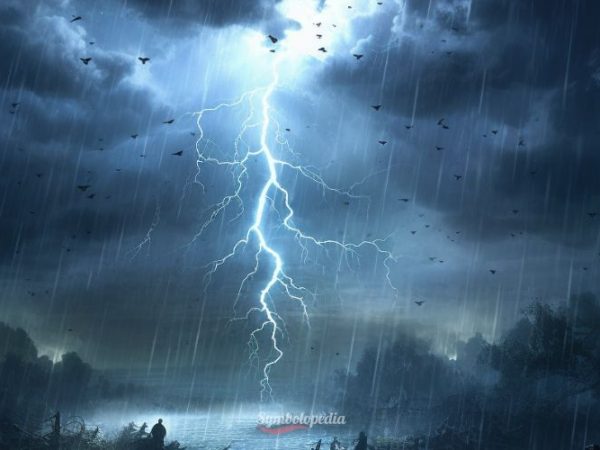
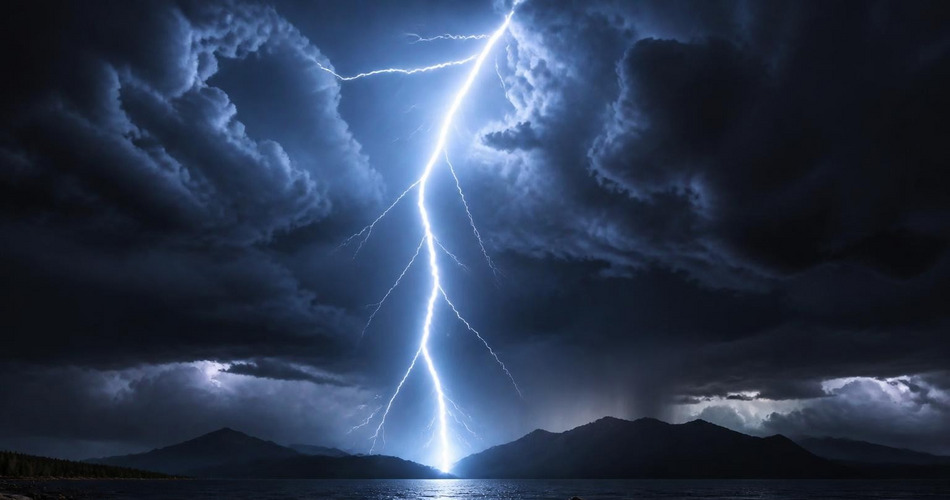
The lightning bolt is one of the most powerful and dramatic natural symbols, representing sudden, forceful change, divine authority, and raw energy. Across cultures, it has been seen as a weapon of gods, a sign of punishment or revelation, and a catalyst for transformation. Its dual nature makes it both a symbol of destruction and of creative spark, embodying the unpredictable and electrifying forces of nature and the human psyche.
What Does a Lightning Bolt Symbolize?
A lightning bolt primarily symbolizes power — sudden, overwhelming, and often uncontrollable. It represents a flash of insight, a moment of truth, or an abrupt change that can be either destructive or illuminating. In many traditions, the lightning bolt is a symbol of divine will, used by gods like Zeus and Thor to assert authority and deliver justice. It also signifies speed, energy, and the spark of life itself, as seen in myths where lightning brings the first humans to life or animates inert matter.
Positive and Negative Meanings
Positive associations: The lightning bolt is often linked to inspiration, creativity, and sudden enlightenment — the “aha!” moment that strikes like a bolt from the blue. It represents raw energy, vitality, and the power to overcome obstacles. In spiritual contexts, it can symbolize purification, as lightning clears the air and renews the landscape after a storm.
Negative meanings: On the darker side, the lightning bolt signifies destruction, danger, and divine punishment. It can represent sudden catastrophe, loss, or the wrath of the gods. In superstition, a lightning strike is often seen as an omen of bad luck or a warning against hubris, reminding humans of their vulnerability before nature’s might.
History and Origins of Lightning Bolt Symbolism
The symbolism of the lightning bolt dates back to ancient civilizations. In Greek mythology, Zeus wielded the thunderbolt as his primary weapon, forged by the Cyclopes, to maintain order and punish transgressors. The Norse god Thor’s hammer, Mjölnir, was associated with thunder and lightning, representing both protection and destruction. In ancient Mesopotamia, the storm god Adad (or Ishkur) was depicted with lightning forks. These early associations cemented the lightning bolt as a symbol of supreme authority and natural force.
In the scientific age, the lightning bolt took on new meaning as a symbol of electricity and energy. Benjamin Franklin’s kite experiment in 1752 demonstrated that lightning was electrical, leading to the lightning bolt as an icon for power, innovation, and the harnessing of nature. This dual heritage — ancient divine weapon and modern symbol of energy — gives the lightning bolt a rich and layered symbolism.
Lightning Bolt Symbolism in Different Cultures
In Greek mythology, the lightning bolt was the exclusive weapon of Zeus, king of the gods, used to enforce justice and smite enemies. It symbolized his supreme power and authority over the heavens and earth. In Norse tradition, Thor’s hammer Mjölnir caused thunder and lightning, representing protection of humanity and the gods against giants. The hammer was also used to bless marriages and consecrate new homes, linking lightning to both destruction and sanctification.
In Hinduism, the god Indra uses the thunderbolt (vajra) as his weapon, symbolizing indestructible power and the force of truth. The vajra is also a ritual object in Buddhism, representing the diamond-like clarity of enlightenment. In Native American cultures, the thunderbird is a powerful spirit that creates lightning by flapping its wings, often seen as a bringer of rain and renewal. Among the Chinese, the thunder god Lei Gong uses a drum and chisel to produce lightning, associated with punishment of evil and the balance of nature.
In African traditions, the god Shango (Yoruba) is associated with thunder and lightning, representing justice, power, and the dance of life. Lightning in these contexts is both a creative and destructive force, a sign of divine presence and moral order.
Spiritual Meaning of the Lightning Bolt
Spiritually, the lightning bolt represents a sudden awakening or a moment of profound clarity. It is often seen as a sign from the divine, a wake-up call that jolts the soul out of complacency. In meditation and energy work, lightning can symbolize the kundalini energy rising, a powerful spiritual force that transforms consciousness. The lightning bolt’s brief but brilliant flash mirrors the fleeting nature of enlightenment — a glimpse of truth that can change one’s life forever.
Lightning Bolt in Myths and Folklore
The lightning bolt appears in countless myths as a tool of the gods. In Greek myth, Prometheus stole fire from Zeus and brought it to humanity, an act often symbolized by a lightning bolt — the spark of knowledge and civilization. In Norse folklore, Thor’s battles with the giants are accompanied by thunder and lightning, representing the eternal struggle between order and chaos. In Japanese mythology, the god Raijin creates lightning by beating drums, often depicted with a mischievous or fearsome nature. These stories consistently portray lightning as a bridge between the divine and mortal realms, a force that can both create and destroy.
Lightning Bolt in Dreams
Dreaming of a lightning bolt often signifies a sudden realization, a shocking event, or a moment of clarity. It can represent an impending change that is beyond one’s control, whether positive or negative. The dream context matters: a lightning strike that hits the dreamer may indicate a personal revelation or a wake-up call, while lightning in the distance might suggest a looming threat or an opportunity that has not yet arrived. In dream interpretation, lightning is also associated with repressed anger or passion that is about to burst forth.
Common Lightning Bolt Dream Scenarios
- Being struck by lightning: Often symbolizes a sudden insight, a life-changing event, or a feeling of being overwhelmed by powerful emotions or external forces.
- Watching lightning from a distance: May represent a threat or change that is approaching but not yet imminent, or a sense of detachment from powerful events.
- Lightning in a storm: Suggests emotional turmoil, conflict, or a period of intense challenge that may lead to renewal.
- Lightning illuminating the sky: Indicates a moment of clarity, truth revealed, or a spiritual awakening.
Lightning Bolt in Superstitions and Omens
In many cultures, a lightning strike is considered an omen. Some believe it signals divine displeasure or a warning against pride. In European folklore, being struck by lightning was sometimes seen as a sign that the person was cursed or had angered the gods. Conversely, in some traditions, a lightning strike on a house was thought to purify it or bring good luck. Sailors once feared lightning as a bad omen for a voyage. Today, superstitions linger: some people avoid standing under trees during storms, not just for safety, but because lightning is believed to attract negative spirits or bad fortune.
Lightning Bolt in Art and Literature
The lightning bolt has been a powerful motif in art and literature for centuries. In Mary Shelley’s Frankenstein, lightning is the spark that animates the monster, symbolizing the dangerous pursuit of knowledge and the power of creation. In Rick Riordan’s Percy Jackson & the Olympians series, the lightning bolt is the central symbol of Zeus’s power and a key plot device. In visual art, the lightning bolt appears in John Martin’s apocalyptic paintings, such as The Great Day of His Wrath, where lightning represents divine judgment. In modern culture, the lightning bolt is iconic in the Harry Potter series as the shape of Harry’s scar, linking him to Voldemort and symbolizing his destiny. The band AC/DC uses a lightning bolt in their logo, representing high-voltage energy and rock ’n’ roll power. These examples show the lightning bolt’s versatility as a symbol of both creation and destruction, knowledge and danger.
Lightning Bolt Tattoo Meaning
A lightning bolt tattoo is a popular design that carries multiple meanings. It often symbolizes power, speed, and energy. For some, it represents a life-changing event or a moment of sudden clarity. It can also signify resilience — the ability to withstand and channel intense forces. In the context of the Harry Potter fandom, the lightning bolt scar tattoo signifies a connection to the series and the theme of survival against evil. In biker and punk subcultures, the lightning bolt can represent rebellion and raw attitude. Overall, the tattoo is a bold statement of personal strength and transformation.
Frequently Asked Questions
Q: What does a lightning bolt symbolize?
A: A lightning bolt symbolizes sudden power, change, divine authority, energy, and inspiration. It can represent both destruction and creation, depending on context.
Q: What does a lightning bolt tattoo mean?
A: A lightning bolt tattoo often signifies power, speed, energy, a life-changing event, or a connection to mythology or pop culture (e.g., Harry Potter).
Q: Is lightning a good omen?
A: It depends on the culture. In some, lightning is a sign of divine favor or purification; in others, it warns of danger or punishment.
Q: What does it mean to dream of lightning?
A: Dreaming of lightning often indicates a sudden realization, an impending change, or a release of pent-up emotions. The specific scenario provides more detail.
Related Symbols
- Thunder — the sound accompanying lightning, symbolizing power and warning
- Storm — a larger context of chaos, change, and renewal
- Zeus’s Thunderbolt — the specific weapon of the Greek god, representing supreme authority
- Electricity — the modern scientific counterpart, symbolizing energy and innovation
- Thor’s Hammer (Mjölnir) — Norse symbol of protection, blessing, and thunder