Briefly
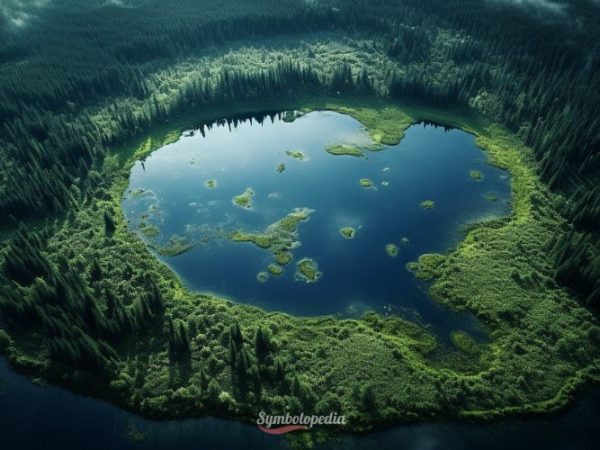
A loch is a Scottish Gaelic word for a lake or a sea inlet. In symbolic terms, lochs represent the unknown depths of the subconscious, mystery, and the boundary between the visible world and hidden realms. They are often associated with transformation, as their still waters can conceal powerful forces beneath the surface. In folklore, lochs are portals to otherworldly beings and events, making them potent symbols of transition and the threshold between worlds.
What Does Loch Symbolize?
Lochs symbolize mystery and the hidden aspects of existence. Their deep, often dark waters suggest secrets that lie beneath a calm exterior. In many traditions, still water bodies like lochs represent the subconscious mind — a reservoir of untapped knowledge, emotions, and memories. The loch also embodies transformation, as its waters can change from placid to stormy, mirroring the cycles of life and the potential for sudden change. Additionally, lochs are seen as thresholds between the human world and the supernatural, a place where encounters with mythical creatures or spiritual forces are possible.
Positive and Negative Meanings
Positive associations: Lochs are linked to tranquility, introspection, and the nurturing aspects of water. They can symbolize a deep well of wisdom, emotional depth, and the capacity for renewal. In Celtic spirituality, lochs are sacred sites where one can connect with nature and the divine, offering peace and clarity.
Negative meanings: The dark, cold waters of a loch can also represent danger, the unknown, and the threat of being overwhelmed by emotions or hidden forces. In folklore, lochs are often home to malevolent water spirits like the water-horse, which lure people to their deaths. They can symbolize isolation, melancholy, or the fear of what lies beneath the surface.
History and Origins of Loch Symbolism
The word “loch” originates from the Gaelic languages of Scotland and Ireland, where it simply means a lake or a sea inlet. The symbolic significance of lochs is deeply rooted in the Celtic worldview, which saw natural features as inhabited by spirits and deities. Ancient Celts considered bodies of water as sacred boundaries between the material world and the Otherworld — a realm of gods, ancestors, and supernatural beings. This belief is reflected in the many myths and legends associated with specific lochs, such as Loch Ness, which is said to harbor a mysterious creature. The loch’s role as a threshold is also evident in the practice of leaving offerings at water bodies, a tradition that persisted into the Christian era.
Loch Symbolism in Different Cultures
While the loch is a specifically Scottish and Irish term, similar bodies of water in other cultures carry comparable symbolism. In Celtic mythology, lochs were often seen as entrances to the Otherworld, a place where time flowed differently and where heroes could gain wisdom or face trials. In Norse mythology, lakes and fjords were associated with the world serpent Jörmungandr and other sea monsters, echoing the loch’s symbolism of hidden danger. In Japanese folklore, lakes are home to the kappa, a water creature that can be both helpful and harmful, similar to the water-horse of Scottish tradition. Across many cultures, deep, still waters universally symbolize the subconscious, mystery, and the potential for both danger and enlightenment.
Spiritual Meaning of Lochs
In a spiritual context, lochs represent the depth of the soul and the journey inward. Their calm surface can be a mirror for self-reflection, while their hidden depths invite exploration of one’s own psyche. In Celtic Christianity, lochs were sometimes seen as places of baptism and spiritual renewal, where the water washed away sin and marked a new beginning. The loch’s isolation and natural beauty also make it a setting for meditation and connection with the divine, away from the distractions of everyday life.
Loch in Myths and Folklore
Lochs are central to many Scottish and Irish myths. The most famous is the legend of the Loch Ness Monster, a creature said to inhabit Loch Ness in the Scottish Highlands. Sightings of a large, serpentine beast have been reported for centuries, and the monster has become a global symbol of mystery and the unknown. Another prominent figure is the water-horse (each-uisge in Gaelic), a malevolent spirit that appears as a horse near lochs. It lures people onto its back, then drags them into the water to be devoured. This myth warns of the dangers of the loch and the deceptive nature of appearances. Other lochs are associated with selkies — seal-like creatures that can shed their skin to become human — and with kelpies, similar water spirits. These stories emphasize the loch as a place of transformation, danger, and enchantment.
Loch in Dreams
Dreaming of a loch often symbolizes the dreamer’s emotional state or subconscious mind. A calm, clear loch may indicate inner peace and clarity, while a stormy or murky loch can suggest unresolved emotions or hidden fears. The loch can also represent a threshold or a transition in life, especially if the dreamer is crossing or entering the water. Encounters with creatures in the loch may point to aspects of the self that are feared or unknown.
Common Dream Scenarios
- Standing on the shore of a loch: You are at the edge of a new phase or decision, contemplating what lies ahead.
- Swimming in a loch: You are immersing yourself in your emotions or exploring your subconscious.
- A creature emerging from a loch: A hidden fear or repressed memory is surfacing.
- A frozen loch: Emotional suppression or a period of stagnation.
- Drowning in a loch: Feeling overwhelmed by emotions or life circumstances.
Loch in Superstitions and Omens
In Scottish folklore, lochs are often considered places of supernatural power and are treated with caution. It is considered unlucky to point at a loch or to speak ill of it, as this might anger the spirits within. Some believe that seeing a light or hearing strange sounds near a loch is an omen of death or misfortune. Conversely, leaving an offering at a loch, such as a coin or a piece of cloth, is thought to bring good luck or ensure safe passage. These superstitions reflect the loch’s status as a liminal space where the natural and supernatural worlds meet.
Loch in Art and Literature
Lochs have inspired numerous works of art and literature, particularly in Scottish culture. In Sir Walter Scott’s poem “The Lady of the Lake” (1810), Loch Katrine is the setting for a romantic tale of chivalry and adventure. The loch serves as a mystical backdrop where the heroine, Ellen Douglas, finds refuge. In modern literature, the Loch Ness Monster appears in countless novels, films, and television shows, such as the 1996 film Loch Ness starring Ted Danson. The loch’s imagery is also prominent in landscape painting, especially by artists of the Scottish Highlands like Horatio McCulloch, whose works capture the loch’s serene yet mysterious beauty. In poetry, the loch often symbolizes solitude, reflection, and the passage of time.
Frequently Asked Questions
Q: What is the difference between a loch and a lake?
A: The term “loch” is used in Scotland and Ireland to describe a lake or a sea inlet. While both are bodies of water, “loch” carries cultural and linguistic significance specific to these regions.
Q: Are all lochs dangerous?
A: No, but many lochs have deep, cold waters and unpredictable currents, making them potentially hazardous for swimmers. Their folklore also emphasizes danger from supernatural beings.
Q: What does it mean to dream of a loch?
A: Dreaming of a loch often symbolizes the subconscious, emotions, or a transition in life. The condition of the water and your actions in the dream provide further insight.
Related Symbols
- Lake: Similar symbolism of depth and mystery.
- Water: Universal symbol of life, purification, and emotion.
- Water-horse: A mythical creature associated with lochs.
- Kelpies: Water spirits in Scottish folklore.
- Selkies: Seal-like creatures from Scottish and Irish myth.