Briefly
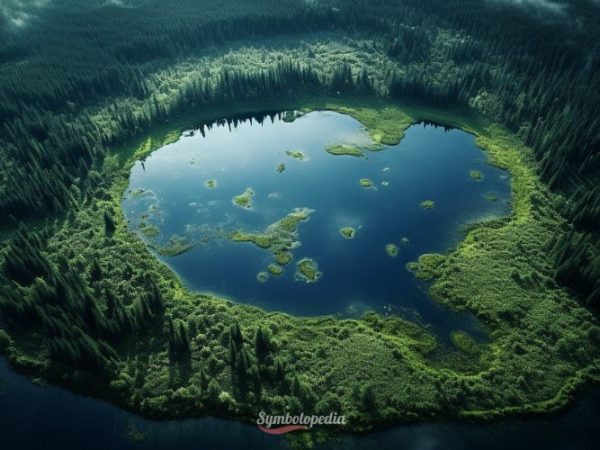
Mirror Lake is a natural body of water whose perfectly still surface reflects the surrounding landscape like a mirror. This phenomenon gives it powerful symbolic associations with clarity, truth, and self-examination. The lake’s calmness invites introspection, while its reflective quality suggests the boundary between the physical world and a deeper, inner reality. In many traditions, such a lake represents a place of meditation, revelation, and the pursuit of honest self-knowledge.
What Does Mirror Lake Symbolize?
At its core, Mirror Lake symbolizes clarity and the capacity to see things as they truly are. The reflection on its surface is a metaphor for truth — unclouded by ripples or disturbance. This makes the lake a powerful emblem of honesty, both with oneself and with others. It also represents stillness and peace, as the calm water encourages a quiet mind and a receptive heart.
Beyond truth, Mirror Lake symbolizes the threshold between the material and the spiritual. The reflection is a double, an image that is both real and unreal, prompting questions about identity, perception, and the nature of reality. In this sense, the lake becomes a gateway to introspection and deeper understanding.
Positive and Negative Meanings of Mirror Lake
Positive associations: Mirror Lake is linked with self-awareness, inner peace, and the ability to see beyond surface appearances. Its stillness promotes meditation and mental clarity, helping individuals find answers within themselves. It also symbolizes purity and the untouched beauty of nature.
Negative meanings: The same reflective surface can also represent vanity, illusion, or a dangerous fixation on appearances. If the water is too still, it may suggest stagnation or emotional numbness. The reflection can deceive — showing a perfect image that masks deeper turmoil or hidden dangers beneath the surface.
History and Origins of Mirror Lake Symbolism
The symbolism of mirror-like lakes has ancient roots. In many cultures, still water was seen as a medium for divination and communication with the spirit world. The ancient Greeks practiced lecanomancy, or divination using a basin of water, and natural pools were sometimes used for scrying. The concept of a “mirror lake” as a distinct symbol emerged in literature and art during the Romantic era, when poets and painters celebrated nature as a source of sublime insight. Real locations such as Mirror Lake in Yosemite National Park became iconic for their perfect reflections, reinforcing the idea of such lakes as places of contemplation and wonder.
Mirror Lake Symbolism in Different Cultures
In Chinese culture, still water is associated with the Taoist concept of wu wei — effortless action and harmony with nature. A mirror-like lake embodies the ideal of a calm, reflective mind. In Japanese gardens, carefully designed ponds that mirror the sky and trees are meant to evoke tranquility and the impermanence of all things. In Native American traditions, still lakes are often considered sacred places where the veil between worlds is thin, and visions or messages from ancestors may appear. In Western folklore, mirror lakes appear in tales of water spirits and enchanted pools that reveal truths or trap the unwary.
Spiritual Meaning of Mirror Lake
Spiritually, Mirror Lake represents a state of pure awareness. Its surface is like a clean mirror — when the mind is still, it can reflect reality without distortion. Meditating on the image of a mirror lake can help quiet mental chatter and foster a direct experience of the present moment. The lake also symbolizes the soul’s journey toward self-knowledge: looking into its depths is an act of honest self-examination, confronting both light and shadow within.
Mirror Lake in Myths and Folklore
One of the most famous myths involving reflective water is the Greek story of Narcissus, who fell in love with his own reflection in a pool and wasted away. While the pool is not a lake, the tale underscores the danger of excessive self-focus — a cautionary aspect of mirror symbolism. In Celtic folklore, lakes and pools were often portals to the Otherworld, and a perfectly still lake might be a doorway to fairy realms. Japanese folklore tells of yōkai that live in still waters, sometimes luring people with their reflections. These stories highlight the dual nature of mirror lakes: they can reveal truth or ensnare the unwary.
Mirror Lake in Dreams
Dreaming of a mirror lake often points to a need for self-reflection. The dreamer may be avoiding an important truth or seeking clarity about a situation. A calm, clear lake suggests that the answer is within reach if the dreamer is willing to look honestly. A disturbed or murky reflection indicates confusion, denial, or emotional turmoil that needs to be addressed.
Common Dream Scenarios Involving Mirror Lake
- Seeing your reflection clearly: A sign of self-awareness and acceptance; you are ready to face the truth about yourself.
- Reflection showing a different face: Represents hidden aspects of your personality or unresolved issues that are surfacing.
- Walking on the surface of the lake: Suggests a desire to transcend ordinary reality or to gain a higher perspective on your life.
- The lake suddenly rippling or darkening: Indicates that your inner peace is threatened by external events or suppressed emotions.
- Falling into the lake: May symbolize being overwhelmed by your own emotions or a plunge into the subconscious.
Mirror Lake in Superstitions and Omens
In some folk traditions, seeing a perfectly still lake at dawn is considered a good omen, promising a day of clarity and calm. Conversely, if the water is disturbed by wind or an animal just as you look, it may be seen as a warning to postpone important decisions. There is also a superstition that making a wish while gazing at your reflection in a mirror lake will make the wish come true — but only if you do not disturb the water. Breaking the reflection is thought to bring bad luck or to break the connection with the spiritual realm.
Mirror Lake in Art and Literature
Mirror Lake has been a recurring motif in art and literature, especially in the Romantic and Transcendentalist movements. The poet William Wordsworth often wrote about still lakes as mirrors of the soul, most notably in “The Prelude,” where a calm lake reflects the surrounding hills and becomes a symbol of inner harmony. In American literature, Henry David Thoreau described Walden Pond as a “mirror” that revealed the truth of nature and the self. The painter Albert Bierstadt captured Mirror Lake in Yosemite in his luminous landscapes, emphasizing the sublime beauty and spiritual quality of the scene. In modern cinema, the reflective lake appears in films like “The Mirror” (1975) by Andrei Tarkovsky, where water surfaces are used to explore memory and perception.
Frequently Asked Questions About Mirror Lake
Q: What does it mean if I dream of a mirror lake?
A: Dreaming of a mirror lake generally indicates a need for self-reflection and clarity. The state of the water — calm or disturbed — reveals how clear your inner vision is at that time.
Q: Is Mirror Lake a real place?
A: Yes, there are several real lakes named Mirror Lake, most famously in Yosemite National Park, California, and in New Zealand’s South Island. These locations are known for their exceptional reflections.
Q: What is the spiritual significance of a mirror lake?
A: Spiritually, a mirror lake represents a still mind that can reflect truth without distortion. It is a symbol of meditation, self-knowledge, and the boundary between the physical and spiritual worlds.
Q: Can a mirror lake be a negative symbol?
A: Yes, it can symbolize vanity, illusion, or stagnation. A too-perfect reflection may suggest a refusal to see beneath the surface, or a dangerous obsession with appearances.
Related Symbols
- Lake – stillness, depth, the subconscious
- Mirror – reflection, truth, self-examination
- Reflection – duality, perception, illusion
- Water – emotion, purification, life
- Stillness – peace, meditation, clarity