Briefly
Spices are aromatic plant substances used to flavor food, but their symbolism extends far beyond the kitchen. Across cultures and centuries, spices have represented wealth, exoticism, and the allure of distant lands. They are also associated with vitality, preservation, and the warming or stimulating qualities that can invigorate body and spirit. At the same time, spices can signify intensity, danger, or the hidden complexities of life, reflecting their powerful sensory impact and historical role in trade and conquest.
What Does Spice Symbolize?
Spice primarily symbolizes vitality, warmth, and the enhancement of life. The very act of adding spice to food transforms the ordinary into something memorable, linking spice to concepts of pleasure, celebration, and hospitality. In many traditions, spices are also seen as preservatives, both literally (keeping food from spoiling) and symbolically (preserving health, youth, or energy). Their concentrated, aromatic nature often associates them with the essence or soul of a thing, making them potent symbols in rituals and healing practices.
Beyond these core meanings, spice can represent exoticism and luxury. Historically, spices like cinnamon, pepper, and cloves were rare and expensive commodities, traded over vast distances. This made them symbols of status, wealth, and the power to acquire the extraordinary. The phrase “the spice of life” captures how spice symbolizes variety, excitement, and the elements that make existence interesting and flavorful.
Positive and Negative Meanings
Positive associations: Spice is widely linked to warmth, energy, and stimulation. It evokes feelings of comfort, passion, and invigoration. In cooking, spice adds depth and complexity, symbolizing creativity and the ability to transform simple ingredients into something special. Medicinally, many spices are valued for their antiseptic, digestive, and anti-inflammatory properties, reinforcing associations with health and vitality. In social contexts, sharing spiced food or drink is a gesture of hospitality and generosity.
Negative meanings: The intensity of spice can also carry negative connotations. Too much spice can overwhelm or cause discomfort, symbolizing excess, aggression, or a lack of restraint. In some contexts, spicy foods are associated with temptation, indulgence, or moral danger. Historically, the spice trade was linked to exploitation, colonialism, and conflict, giving spice a shadow side connected to greed and the darker aspects of human desire. The phrase “spicy” can also imply risqué or scandalous content, reflecting associations with taboo or forbidden pleasures.
History and Origins of the Symbolism
The symbolic power of spice is rooted in its ancient history as a rare and valuable commodity. Long before refrigeration, spices were prized for their ability to preserve food and mask the taste of spoilage. This practical role gave them an aura of protection and longevity. The spice trade routes that connected Asia, Africa, and Europe were among the most important commercial networks in history, and spices like black pepper, cinnamon, and nutmeg were worth their weight in gold. This economic importance imbued spices with meanings of wealth, power, and exotic allure.
In many early cultures, spices were also used in religious and funerary practices. For example, the ancient Egyptians used spices like cinnamon and cassia in embalming rituals, associating them with preservation and the afterlife. In classical Greece and Rome, spices were burned as incense in temples and used in public ceremonies, linking them to the divine and the sacred. The Latin name for the laurel plant (Laurus nobilis), whose leaves are used as a spice, reflects its use in cleansing rituals and its connection to the god Apollo at Delphi, where laurel was burned as part of ritual practices. This demonstrates how even a single spice plant could carry deep ritual and ceremonial significance.
Symbolism in Different Cultures
In Indian culture, spices are central to both cuisine and traditional medicine (Ayurveda). Each spice is believed to have specific energetic properties—warming, cooling, stimulating, or soothing—that affect the body and mind. Turmeric, for instance, symbolizes purity, prosperity, and protection, and is used in wedding ceremonies and religious rituals. The spice blend garam masala literally means “warming spice,” reflecting the belief that spices can balance bodily humors and promote health.
In Chinese culture, spices are integral to traditional medicine and culinary philosophy. The balance of flavors—sweet, sour, bitter, salty, and pungent—is believed to correspond to the five elements and to maintain harmony in the body. Spices like ginger, star anise, and Sichuan pepper are used not only for flavor but also for their medicinal properties, symbolizing the connection between food and well-being. The use of spices in Chinese New Year dishes, such as the five-spice powder, represents the wish for a balanced and prosperous year ahead.
In European history, spices were symbols of luxury and status. During the Middle Ages and Renaissance, the wealthy displayed their affluence by serving heavily spiced dishes. Spices were also used in perfumes, medicines, and even as currency. The quest for spices drove European exploration and colonization, shaping global history. In this context, spice symbolized both the allure of the exotic and the power dynamics of empire.
Spiritual Meaning
Spices have long held spiritual significance, particularly in rituals of purification, protection, and offering. The burning of aromatic spices as incense is a practice found in many religions, from the use of frankincense and myrrh in Christianity to the burning of sage and other herbs in indigenous traditions. The smoke is believed to carry prayers to the divine, cleanse a space of negative energy, and create a sacred atmosphere. The intense, concentrated aroma of spices is seen as a bridge between the physical and spiritual worlds.
In some spiritual traditions, specific spices are associated with particular energies or deities. For example, cinnamon is often linked to prosperity, love, and success, and is used in spells and rituals for these purposes. Cloves are associated with protection and exorcism, while nutmeg is used for luck and psychic awareness. The act of cooking with spices can itself be a spiritual practice, infusing food with intention and blessing. The warmth and pungency of spices are thought to stimulate the root chakra and the solar plexus, grounding and energizing the spirit.
In Myths and Folklore
Spices appear in myths and folklore from around the world, often as magical or transformative substances. In Arabian Nights, spices are part of the exotic treasure that heroes encounter, symbolizing the wonders of distant lands. In European folklore, it was believed that spices could ward off evil spirits and protect against the plague. People carried pouches of spices or burned them in their homes for protection. The spicing of food was also thought to have protective qualities, safeguarding against illness and misfortune.
In Hindu mythology, the spice turmeric is associated with the goddess Lakshmi, representing purity, prosperity, and fertility. It is used in wedding ceremonies to bless the couple and in rituals to honor the gods. In Chinese folklore, the five-spice powder is said to represent the five elements and to bring balance and harmony. The story of the “spice islands” (the Maluku Islands) is woven into the folklore of many cultures, depicting these islands as earthly paradises where precious spices grew, guarded by mythical creatures or spirits. These tales underscore the deep human fascination with spice as something rare, valuable, and almost magical.
In Dreams
Dreaming of spices can carry a range of meanings, often related to the dreamer’s emotional state or life circumstances. The specific type of spice and the context of the dream are important for interpretation. Generally, spices in dreams symbolize intensity, passion, or a need for more excitement in life. They may also represent hidden desires, secrets, or aspects of the self that are being “spiced up” or transformed.
Spices can also indicate a need for healing or purification. If the dream involves cooking with spices, it may suggest the dreamer is trying to improve a situation or relationship. Burning spices in a dream might symbolize a desire for spiritual cleansing or protection. The aroma of spices in a dream can be particularly significant, as it often relates to memory, nostalgia, or a longing for something from the past.
Common Dream Scenarios
- Smelling spices: May indicate a need for more passion or excitement in waking life, or a memory of a significant event.
- Buying or trading spices: Could symbolize a desire for wealth, status, or new experiences.
- Cooking with spices: Suggests creativity, nurturing, or an attempt to improve a relationship or project.
- Eating very spicy food: May represent a challenging situation or intense emotion that is difficult to handle.
- Spilling or wasting spices: Could indicate missed opportunities or a fear of losing something valuable.
- Receiving spices as a gift: Often symbolizes good fortune, hospitality, or a new beginning.
In Superstitions and Omens
- Spilling salt is considered bad luck, but spilling other spices can have varied meanings. Spilling cinnamon is sometimes thought to bring good luck or prosperity.
- In some traditions, placing a bay leaf under the pillow is believed to bring prophetic dreams or good luck.
- Burning certain spices, like sage or frankincense, is used to cleanse a space of negative energy and is considered a protective omen.
- Finding a whole clove in food is sometimes seen as a sign of good luck or a wish coming true.
- In European folklore, carrying a nutmeg in the pocket was thought to bring good luck and protect against rheumatism.
In Art and Literature
Spices have been depicted in art and literature as symbols of exoticism, wealth, and sensory pleasure. In the poem “The Nutmeg Tree” by Robert Graves, the nutmeg is used as a metaphor for hidden sweetness and the allure of the unknown. In literature, the spice trade is a central theme in works like “The Spice Tree” by Nalini Warriar, which explores the colonial history and cultural significance of spices in India. The aroma of spices is often used in novels to evoke a sense of place, as in the works of authors like Amitav Ghosh, where the scent of cinnamon or cardamom transports the reader to the markets of Calcutta or the plantations of Kerala.
In visual art, spices appear in still-life paintings from the Dutch Golden Age, where they are depicted alongside other luxury goods to symbolize wealth and the transience of earthly pleasures. The painting “Still Life with a Silver Jug and a Porcelain Bowl” by Willem Kalf includes spices like pepper and cinnamon, highlighting their value and exotic origins. In contemporary art, spices are sometimes used as materials themselves, as in the work of artists who create installations or paintings using turmeric, saffron, or chili powder, exploring themes of color, texture, and cultural identity.
Meanings of Different Types, Colors, or Variations
- Cinnamon: Symbolizes warmth, prosperity, love, and success. Often used in rituals for abundance and protection.
- Turmeric: Represents purity, fertility, and protection. Central to Hindu wedding ceremonies and Ayurvedic healing.
- Black pepper: Associated with energy, strength, and protection. Historically used as currency and a symbol of wealth.
- Cloves: Linked to protection, exorcism, and healing. Used in incense and traditional medicine.
- Nutmeg: Symbolizes luck, psychic awareness, and prosperity. In folklore, it is said to bring good fortune.
- Cardamom: Represents love, comfort, and digestion. Often used in sweet and savory dishes to add warmth.
- Saffron: The most expensive spice, symbolizing luxury, royalty, and spiritual enlightenment. Used in religious ceremonies and fine cuisine.
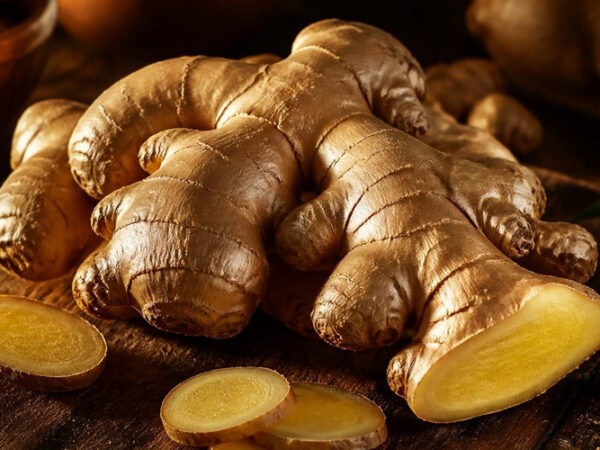
- Ginger: Associated with vitality, healing, and protection. Used in traditional medicine for its warming properties.
Frequently Asked Questions
Q: What does the phrase “the spice of life” mean?
A: It means that variety and excitement are what make life enjoyable and interesting, just as spices add flavor to food.
Q: Why were spices so valuable in history?
A: Spices were rare, difficult to obtain, and had many uses—preserving food, flavoring dishes, making medicines, and performing rituals. Their high value drove global exploration and trade.
Q: Can spices have negative symbolism?
A: Yes, spices can symbolize excess, temptation, or danger when used in overwhelming amounts. They are also associated with the darker aspects of colonialism and exploitation in the spice trade.
Q: How are spices used in spiritual practices?
A: Spices are burned as incense, used in rituals for protection and purification, and added to offerings. They are believed to carry prayers, cleanse spaces, and attract positive energies.
Q: What does dreaming of spices mean?
A: Dreaming of spices often indicates a need for more passion, excitement, or variety in life. It can also relate to healing, memory, or hidden desires.
Related Symbols
- Herbs: Like spices, herbs are used for flavor, medicine, and ritual, often symbolizing healing and protection.
- Incense: The burning of aromatic substances for spiritual purposes, closely related to the use of spices in rituals.
- Food: Spices are a key component of food symbolism, representing hospitality, celebration, and cultural identity.
- Gold: Historically, spices were as valuable as gold, both symbolizing wealth, rarity, and power.
- Trade routes: The spice routes symbolize connection, exchange, and the movement of culture and ideas.