
Briefly
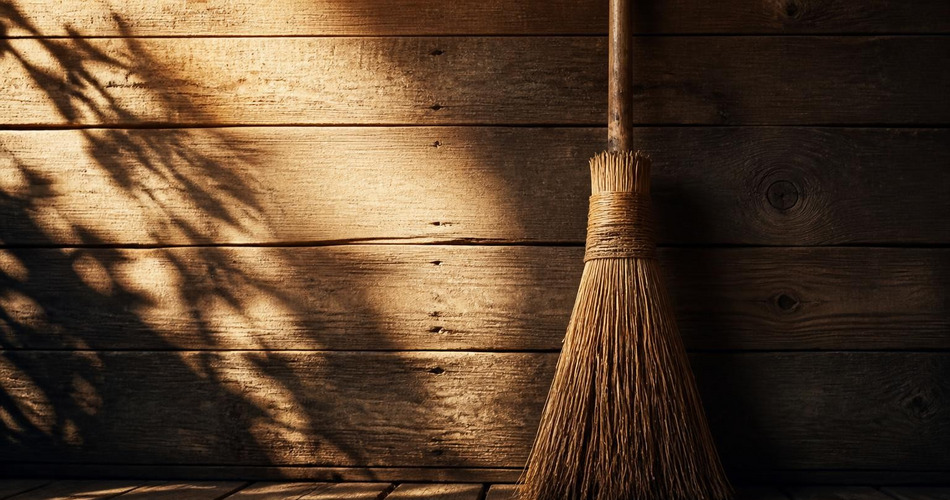
The broom is a universal symbol of purification, sweeping away physical dirt and spiritual negativity. It represents domestic order, control over one’s environment, and the ability to clear obstacles. Across cultures, the broom also carries associations with witchcraft, transformation, and the boundary between the mundane and the magical. Its dual nature—both humble household tool and potent ritual object—makes it a rich symbol of cleansing, transition, and renewal.
What Does Broom Symbolize?
The broom primarily symbolizes purification and the removal of impurities, whether physical, emotional, or spiritual. By sweeping away dust and debris, it represents the act of clearing space for new beginnings. In many traditions, the broom is seen as a tool for banishing negative energies, evil spirits, and bad luck. It also symbolizes domesticity, diligence, and the maintenance of order in the home. The broom’s ability to gather and discard connects it to themes of control and decision-making—deciding what to keep and what to let go.
Additionally, the broom is a symbol of transition and boundary crossing. Its use in rituals marks thresholds—sweeping a doorstep can signify protection against intruders, both physical and supernatural. In folklore, the broom is famously associated with witches, who use it as a vehicle for flight, representing liberation from earthly constraints and the ability to traverse between worlds.
Positive and Negative Meanings
Positive associations: The broom is widely regarded as a tool of purification, renewal, and protection. It symbolizes the power to cleanse one’s life of negativity, clutter, and harmful influences. In many cultures, sweeping the home is a ritual act that invites good luck, prosperity, and harmony. The broom also represents industriousness, humility, and the value of honest labor.
Negative meanings: Conversely, the broom can carry negative connotations, particularly when associated with superstition. A broom left leaning against a bed or used in certain ways is thought to invite bad luck or even death. In some traditions, sweeping after dark or sweeping someone’s feet is believed to bring misfortune. The broom’s link to witchcraft also gives it an ominous edge, symbolizing hidden dangers, sorcery, and the potential for harm.
History and Origins of Broom Symbolism
The broom as a household tool dates back thousands of years, with early versions made from twigs, straw, or animal hair. Its symbolic meanings likely emerged from its practical function: sweeping away dirt and debris. In ancient Rome, brooms were used in religious ceremonies to purify temples before rituals. The act of sweeping was seen as a way to remove spiritual impurities and prepare a sacred space.
During the Middle Ages, the broom became strongly associated with witchcraft. The image of a witch riding a broomstick is thought to have origins in pagan fertility rituals, where people would leap on poles or brooms to encourage crop growth. The Christian church later demonized these practices, linking the broom to devil worship and sorcery. This duality—sacred tool and symbol of evil—persists in modern interpretations.
Symbolism in Different Cultures
In many African and Afro-Caribbean traditions, the broom is a symbol of marital unity and the sweeping away of obstacles. In some wedding ceremonies, the couple jumps over a broom to signify their commitment and the start of a new life together—a practice that also has roots in African American history during slavery. The broom here represents the creation of a new household and the sweeping away of the past.
In Chinese culture, the broom is associated with the goddess of mercy, Guanyin, who is sometimes depicted holding a broom to sweep away suffering. However, giving a broom as a gift is considered bad luck, as it may sweep away good fortune. In Japan, the broom (hoki) is used in Shinto purification rituals to cleanse sacred spaces. The act of sweeping is seen as a form of meditation and spiritual cleansing.
In European folklore, the broom is deeply tied to witchcraft and superstition. A broom placed across a doorway is believed to prevent witches from entering, while a broom left in a corner can ward off evil spirits. In some Slavic traditions, sweeping the house after a funeral is done to symbolically sweep away death and make room for life.
Spiritual Meaning
Spiritually, the broom represents the power to cleanse one’s aura and environment. It is often used in energy clearing practices, such as smudging or sweeping with intention, to remove stagnant or negative energy. The broom’s bristles are seen as capable of capturing and discarding spiritual debris, making it a tool for transformation and renewal. In many spiritual traditions, sweeping is a meditative act that helps the practitioner focus on letting go of attachments and creating space for positive energy.
The broom also symbolizes the threshold between the physical and spiritual worlds. In shamanic practices, a broom may be used to mark the boundary of a ritual circle or to sweep away malevolent spirits. Its vertical handle and horizontal bristles represent the connection between earth and sky, making it a symbol of balance and grounding.
Broom in Myths and Folklore
The broom is a prominent figure in myths and folklore worldwide. The most famous is the witch’s broomstick, which appears in European folklore as a means of transportation for witches to sabbaths. This image was popularized in art and literature, such as in Albrecht Dürer’s engraving The Witch (c. 1500), which depicts a witch riding a broom. The broom’s use in flight symbolizes liberation from earthly laws and the ability to access hidden knowledge.
In the fairy tale The Sorcerer’s Apprentice (based on a poem by Goethe), a broom is magically animated to carry water, but the apprentice cannot control it, leading to chaos. This story, later adapted in Disney’s Fantasia, uses the broom as a symbol of uncontrolled power and the dangers of meddling with forces beyond one’s understanding.
In Japanese folklore, the broom is sometimes associated with the tsukumogami—objects that come to life after a hundred years. A broom that becomes a spirit is called a bakezōhōki and is said to sweep floors on its own at night, a playful but eerie symbol of domesticity turned supernatural.
Broom in Dreams
Dreaming of a broom often relates to themes of cleaning up one’s life, letting go of the past, or preparing for a fresh start. The specific context of the dream can reveal whether the broom represents positive purification or a need to address neglected issues. Common dream scenarios include sweeping a floor, seeing a broken broom, or using a broom to chase away something unwanted.
Common Dream Scenarios
- Sweeping with a broom: Indicates a desire to cleanse your life of negative influences, clutter, or emotional baggage. It may also symbolize taking control of a situation.
- A broken broom: Suggests that your efforts to clean up a problem are ineffective or that you lack the tools to resolve a situation. It can also warn of obstacles ahead.
- Riding a broom: Reflects a desire for freedom, escape, or a sense of empowerment. It may also relate to hidden talents or a wish to break societal norms.
- Seeing a broom in a corner: Represents neglected responsibilities or unresolved issues that need attention. It may also symbolize protection if the broom is placed near a door.
- Someone else sweeping: Could indicate that you are relying on others to clean up your mess, or that you feel someone is trying to remove you from a situation.
Broom in Superstitions and Omens
Superstitions about brooms are abundant across cultures. Many involve the belief that a broom can bring either good or bad luck depending on how it is used or placed. Common superstitions include:
- If a broom falls over, it is said to signal the arrival of a visitor or, in some traditions, a death in the family.
- Sweeping after sunset is believed to sweep away good luck or invite spirits into the home.
- Stepping over a broom is thought to bring bad luck, especially for unmarried women, who may be condemned to spinsterhood.
- Burning an old broom is considered a way to break a cycle of bad luck or to cleanse a home of negative energy.
- A broom placed under a pillow is said to ward off nightmares or evil spirits.
- In some traditions, a new broom should be used to sweep the house for the first time before moving in, to ensure good fortune.
Broom in Art and Literature
The broom appears in numerous works of art and literature, often as a symbol of domesticity, magic, or transformation. In William Shakespeare’s Macbeth, the witches’ cauldron and broomsticks are implied in their supernatural activities, though the broom itself is not explicitly mentioned. More directly, the broom features in the Harry Potter series by J.K. Rowling, where broomsticks are essential tools for the wizarding sport of Quidditch and for personal transport, symbolizing freedom, skill, and magical prowess.
In visual art, the broom is a recurring motif in depictions of witches. The German artist Albrecht Dürer’s engraving The Witch (c. 1500) shows a hag riding a broom backward, a classic image that cemented the broom’s association with sorcery. In the 19th century, Francisco Goya’s painting Witches’ Sabbath (1823) includes a broom as a prop, reinforcing the broom’s role as a symbol of the occult. In contrast, the Dutch painter Pieter Bruegel the Elder’s The Peasant Wedding (1567) features a broom hanging on the wall as a sign of domestic order and hospitality.
In literature, the broom appears in the poem The Broom by Robert Burns, though this refers to the flowering shrub rather than the sweeping tool. However, the broom as a sweeping implement is central to the German poem The Sorcerer’s Apprentice by Goethe, where the broom becomes a living servant that wreaks havoc, symbolizing the dangers of unchecked ambition and the misuse of power.
Broom Tattoo Meaning
Broom tattoos are relatively uncommon but carry distinct meanings. They often symbolize a desire for purification, a fresh start, or a connection to witchcraft and pagan spirituality. A broom tattoo may represent the wearer’s role as a cleanser of negativity or their affinity for domestic magic. In some designs, the broom is paired with a crescent moon or stars to emphasize its mystical associations. The tattoo can also signify humility and the value of hard work, as the broom is a tool of everyday labor.
Meanings of Different Types and Colors of Brooms
The symbolism of a broom can vary based on its material and color. Traditional brooms made of natural materials like straw or twigs are often associated with folk magic and earthiness. A white broom may symbolize purity and spiritual cleansing, while a black broom is linked to protection and banishing negative energies. In some traditions, a broom with a red handle is used in love spells, and a broom with a green handle is associated with prosperity. The type of bristles—soft or stiff—can also influence meaning: soft bristles suggest gentle cleansing, while stiff bristles indicate forceful removal of obstacles.
Frequently Asked Questions
Q: What does it mean when you dream about a broom?
A: Dreaming of a broom typically symbolizes the need to clean up your life, remove negativity, or prepare for a new beginning. The specific details of the dream, such as sweeping or a broken broom, provide further insight.
Q: Is a broom a symbol of good luck?
A: In many cultures, a broom is considered a symbol of good luck when used to sweep away bad energy, but it can also be seen as unlucky if used incorrectly, such as sweeping after dark or giving a broom as a gift.
Q: Why are brooms associated with witches?
A: The association dates back to medieval Europe, where brooms were used in pagan fertility rituals and later demonized by the Church. The broom became a symbol of witchcraft, representing flight, magic, and the supernatural.
Q: What does a broom symbolize in a wedding?
A: Jumping over a broom is a wedding tradition in some African American and African cultures, symbolizing the couple’s commitment to building a new home together and sweeping away past troubles.
Related Symbols
- Dustpan – Completes the act of sweeping, symbolizing collection and disposal of waste.
- Besom – A specific type of broom used in witchcraft, emphasizing ritual purification.
- Broomstick – Often synonymous with the broom itself, but specifically associated with flight and magic.
- Mop – Similar tool for cleaning, but more associated with wet cleansing and domestic labor.
- Broom plant – A flowering shrub (Cytisus scoparius) that shares the name and symbolizes humility and neatness.


