Briefly
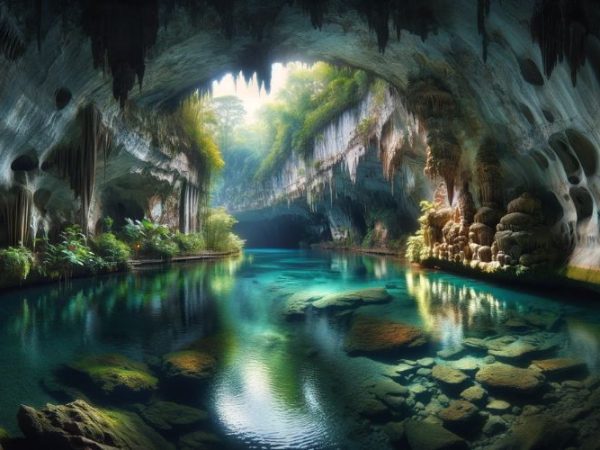
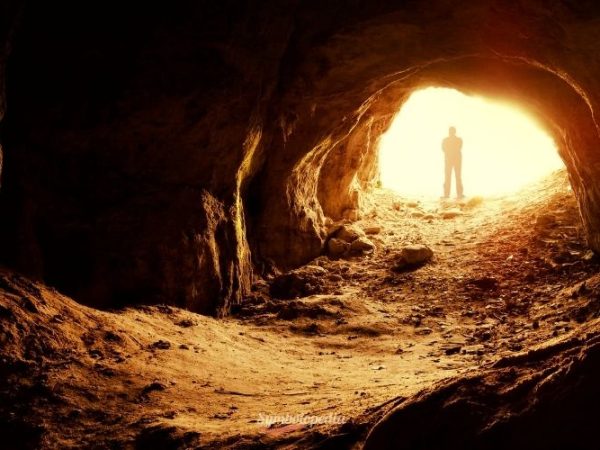
A cavern, as a large underground chamber or cave, often symbolizes the subconscious mind, hidden knowledge, and the womb of the earth. It represents a place of mystery, darkness, and potential transformation, where one can confront fears or discover inner truths. In many traditions, caverns are seen as thresholds between the known world and the unknown, serving as sites for initiation, burial, or spiritual retreat.
What Does a Cavern Symbolize?
Caverns carry a rich and layered symbolism that spans many cultures and eras. At its core, a cavern represents the hidden and the concealed—things that are not immediately visible or accessible. This can include secret knowledge, buried treasure, or the depths of the human psyche. The darkness of a cavern is not simply an absence of light but a space of potential, where new insights can be born after a period of introspection.
Caverns are also strongly associated with the earth and the maternal principle. As a hollow space within the ground, they are often seen as a symbol of the womb, fertility, and the nurturing aspects of nature. This connection makes caverns places of rebirth and renewal, where one can emerge transformed after a symbolic death or journey into the underworld.
In a more literal sense, caverns have historically provided shelter and protection, making them symbols of safety and refuge. However, their darkness and isolation also link them to danger, the unknown, and the fear of being lost or trapped.
Positive and Negative Meanings
Positive associations: Caverns are often seen as sanctuaries of safety, secrecy, and spiritual retreat. They can represent the womb of the earth, offering protection and the potential for rebirth. In many myths, entering a cavern is a necessary step in a hero’s journey, leading to wisdom, hidden treasures, or profound self-discovery.
Negative meanings: Conversely, caverns can symbolize darkness, fear, and the unknown. They may represent the subconscious mind’s hidden fears, traumas, or repressed memories. In some contexts, they are associated with death, entrapment, or the lairs of monsters and malevolent spirits, reflecting the dangers of exploring the uncharted depths of the self or the world.
History and Origins of Cavern Symbolism
The symbolic use of caverns dates back to prehistoric times, with cave paintings such as those in Lascaux, France (c. 17,000 years ago), suggesting that early humans viewed caves as sacred spaces for ritual and communication with the spirit world. These caves were not merely dwellings but ceremonial centers where the boundaries between the physical and spiritual realms were thought to be thin.
One of the most significant historical sources for cavern symbolism is the ancient Egyptian Book of Caverns, a funerary text from the New Kingdom (c. 1550–1069 BCE). This text describes the journey of the sun god Ra through the underworld, which is depicted as a series of caverns inhabited by gods, demons, and the dead. The caverns in this context represent the stages of the afterlife, where the deceased must navigate trials and transformations to achieve rebirth. The Book of Caverns emphasizes the cavern as a place of judgment, purification, and eventual resurrection, cementing its role as a powerful symbol of the afterlife and spiritual transformation in Egyptian mythology.
Cavern Symbolism in Different Cultures
In many indigenous cultures, caverns are considered portals to the underworld or the realm of ancestors. For example, the Maya and Aztec peoples of Mesoamerica viewed caves as entrances to the underworld (Xibalba) and as places where gods and ancestors could be contacted. They were often used for rituals, offerings, and burials, reinforcing the cavern’s symbolism as a bridge between the living and the dead.
In Greek mythology, caves were frequently the dwellings of gods and mythical beings. The cave of the nymphs on Ithaca, described in Homer’s Odyssey, was a place of mystery and transformation. The cave of Trophonius at Lebadeia was an oracular site where visitors underwent a terrifying descent to receive prophecies, symbolizing a journey into the unknown to gain hidden knowledge.
In Hindu and Buddhist traditions, caves are often associated with meditation and enlightenment. The famous cave temples of Ajanta and Ellora in India were carved out of rock to serve as monastic retreats, reflecting the idea of the cave as a space for spiritual withdrawal and inner discovery. The Buddha is said to have meditated in a cave before his enlightenment, further linking caverns to profound spiritual insight.
In Chinese culture, caves (or “cave heavens”) in Daoist tradition are considered blessed, otherworldly spaces where immortals reside. They are seen as places of purity and transcendence, far from the mundane world, and are often depicted in landscape paintings as entrances to paradises.
Spiritual Meaning of Caverns
Spiritually, a cavern is often interpreted as a symbol of the subconscious mind or the collective unconscious. Entering a cavern in a spiritual context can represent a descent into the self to confront one’s shadow, fears, and hidden desires. This journey, though potentially frightening, is seen as essential for personal growth and spiritual awakening.
Caverns also symbolize the womb of the Great Mother, representing the source of all life and the place of ultimate return. In this sense, they are associated with the cycles of death and rebirth, the mystery of creation, and the nurturing power of the earth. Many spiritual traditions use cave meditation as a practice for deepening one’s connection to the inner self and the divine.
Caverns in Myths and Folklore
Caverns appear frequently in myths and folklore as thresholds to other worlds. In Celtic mythology, caves were often entrances to the Otherworld, a realm of fairies, gods, and the dead. The Cave of Cruachan in Ireland was believed to be a gateway to the underworld, associated with the goddess Medb and the birth of heroes.
In Norse mythology, the cave of the dragon Fafnir is a key location in the Völsunga saga. The hero Sigurd enters the cave to slay the dragon and claim its treasure, a classic motif of the cavern as a place of trial and reward. Similarly, in Japanese folklore, the cave of the sun goddess Amaterasu is a central myth: she retreats into a cave, plunging the world into darkness, and must be lured out to restore light. This story uses the cave as a symbol of withdrawal, grief, and the eventual return of life and light.
In many folk tales, caves are the lairs of monsters, giants, or bandits, representing the dangers that lurk in the unknown. They are also places where lost travelers find shelter or where hidden treasures are discovered, reflecting the dual nature of caverns as both perilous and rewarding.
Caverns in Dreams
Dreaming of a cavern often points to the dreamer’s inner world and subconscious. It can indicate a need to explore hidden aspects of oneself, confront repressed emotions, or seek deeper understanding. The specific details of the dream—such as the cavern’s size, lighting, or contents—can provide further clues.
If the cavern is dark and frightening, it may represent fears or anxieties that the dreamer is avoiding. A bright, welcoming cavern can symbolize a safe space for introspection and healing. Finding treasure or a hidden chamber within a cavern suggests the discovery of inner resources or untapped potential.
Common Dream Scenarios
- Entering a dark cavern: This often symbolizes a journey into the unknown or a confrontation with the shadow self. It may indicate a period of introspection or a need to face hidden fears.
- Getting lost in a cavern: Suggests feeling confused, trapped, or overwhelmed by circumstances. It can point to a lack of direction in life or a need to find one’s way out of a difficult situation.
- Finding light or treasure in a cavern: Represents the discovery of inner wisdom, personal strengths, or spiritual insights. It is a positive sign of growth and self-realization.
- Being trapped in a cavern: May reflect feelings of being stuck in a job, relationship, or emotional state. It can also indicate a fear of being confined or unable to escape a situation.
Caverns in Superstitions and Omens
In various folk traditions, caverns are considered places of both good and bad omen. In some cultures, entering a cave without proper respect or preparation is believed to invite misfortune or anger the spirits that dwell within. Conversely, finding a cave shelter during a storm is seen as a sign of protection and good luck.
In European folklore, caves were sometimes thought to be entrances to the fairy realm, and those who entered might be enchanted or led astray. In other traditions, caves were associated with witches’ gatherings or the hiding places of treasure guarded by supernatural beings. The omen of a cave often depends on the context: a cave that provides shelter is positive, while one that seems to swallow light or emit strange sounds is considered ominous.
Caverns in Art and Literature
Caverns have been a powerful motif in art and literature for centuries. In ancient Egyptian art, the Book of Caverns was illustrated with scenes of the underworld, showing the sun god’s journey through a series of cavernous chambers. These images emphasized the cavern as a place of transformation and judgment.
In literature, one of the most famous caverns is the Cave of the Cyclops in Homer’s Odyssey, where Odysseus and his men are trapped by the one-eyed giant Polyphemus. This cavern symbolizes both danger and the cunning required to escape it. In Plato’s Allegory of the Cave, the cave represents the limited perception of reality, with the shadows on the wall symbolizing the illusions that people mistake for truth. The journey out of the cave is a metaphor for enlightenment and the pursuit of knowledge.
In modern literature, J.R.R. Tolkien’s The Hobbit features the cavern of the dragon Smaug, a place of immense treasure and mortal danger. The cavern here symbolizes greed, power, and the hero’s trial. Similarly, in Jules Verne’s Journey to the Center of the Earth, the vast caverns beneath the surface represent the unknown frontiers of science and adventure.
In visual art, the Romantic painters of the 19th century, such as Caspar David Friedrich, often depicted caverns as sublime, awe-inspiring spaces that evoke both terror and wonder. These works highlight the cavern as a symbol of nature’s power and the human experience of the sublime.
Frequently Asked Questions
Q: What does a cavern symbolize in dreams?
A: In dreams, a cavern often represents the subconscious mind, hidden fears, or unexplored aspects of the self. It can indicate a need for introspection or a journey into the unknown.
Q: Is a cavern a positive or negative symbol?
A: A cavern can be both positive and negative. Positively, it symbolizes protection, rebirth, and hidden knowledge. Negatively, it can represent fear, entrapment, and the unknown.
Q: What is the Book of Caverns?
A: The Book of Caverns is an ancient Egyptian funerary text from the New Kingdom that describes the sun god Ra’s journey through the underworld, depicted as a series of caverns. It symbolizes the afterlife journey, judgment, and transformation.
Q: How are caverns used in mythology?
A: Caverns frequently appear in mythology as entrances to the underworld, dwellings of gods or monsters, and places of trial and transformation. Examples include the cave of the Cyclops in Greek myth and the Cave of Cruachan in Irish legend.
Q: What does a cavern tattoo mean?
A: A cavern tattoo can symbolize mystery, inner depth, a journey into the self, or a connection to the earth. It may also represent overcoming fear or a transformative experience.
Related Symbols
- Cave: A smaller, more general version of a cavern, often with similar symbolism of shelter and mystery.
- Underworld: The realm of the dead, often entered through caves or caverns in mythology.
- Womb: The cavern’s association with the earth’s womb, symbolizing fertility, birth, and protection.
- Darkness: The absence of light in a cavern symbolizes the unknown, the subconscious, and potential.
- Mountain: Caverns are often found within mountains, linking them to stability, height, and the earth’s interior.