Briefly
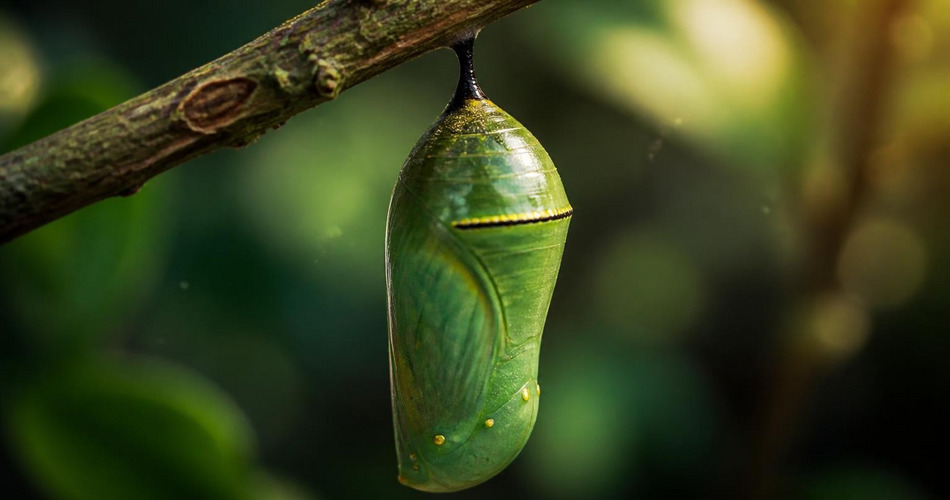
The chrysalis, or pupa, is the transformative stage in the life cycle of butterflies and moths, representing a period of profound inner change, hidden development, and eventual rebirth. It symbolizes the potential for growth that exists within a state of apparent stillness or dormancy. As a universal emblem of metamorphosis, the chrysalis teaches that significant personal evolution often requires a period of quiet withdrawal and patience. It stands as a powerful reminder that what appears to be an ending is often a necessary prelude to a beautiful new beginning.
What Does the Chrysalis Symbolize?
The chrysalis is a potent and universal symbol of transformation. It represents the hidden, internal process of change that occurs when an organism—or a person—is in a state of apparent stillness. It symbolizes potential, holding the promise of a future form that is radically different from the present. The chrysalis also embodies patience, as true growth cannot be rushed and requires a period of quiet incubation. It can represent the self in a state of becoming, the soul undergoing purification, or a threshold between two distinct phases of existence. In many traditions, it encapsulates the concept of death and rebirth, where the old form dissolves to make way for the new.
Positive and Negative Meanings of the Chrysalis
Positive associations: The chrysalis is overwhelmingly a positive symbol of hope, renewal, and the promise of a beautiful outcome. It represents the courage to undergo change, the wisdom of retreat for the sake of growth, and the certainty that difficult periods are temporary and lead to greater things. It is a symbol of faith in the natural process of life and the potential for a magnificent emergence.
Negative meanings: The chrysalis can also represent confinement, stagnation, and isolation. For someone struggling with change, it can feel like a prison or a period of painful waiting. It symbolizes the fear of being trapped in an in-between state, the vulnerability of being in transition, and the anxiety of not knowing what one will become. The stillness of the chrysalis can be misinterpreted as laziness or a lack of progress.
The Chrysalis in Different Cultures
Ancient Greece: The word “psyche” means both butterfly and soul. The chrysalis was seen as the tomb of the soul, from which the butterfly—the liberated soul—emerges. This concept is central to the myth of Eros and Psyche, where Psyche’s trials represent the soul’s journey through the chrysalis of life toward immortality.
China: The chrysalis represents transformation, patience, and the potential for great beauty. It is a symbol of refinement and the cultivation of inner virtue, much like a person who undergoes rigorous self-cultivation to emerge as a wise and graceful being.
Japan: The chrysalis is viewed as a symbol of feminine grace and the quiet, powerful transformation of a person entering a new stage of life. It also resonates with the concept of mono no aware, the awareness of the transience of things, making the brief beauty of the butterfly all the more precious.
Native American: Many tribes see the butterfly as a symbol of change, joy, and color. The chrysalis is the sacred space where this transformation is prepared, representing the dance of life and the medicine of change.
Christianity: The chrysalis is a symbol of the resurrection of Christ and the promise of eternal life. The caterpillar represents earthly life, the chrysalis represents the tomb, and the butterfly represents the resurrected soul ascending to heaven.
Spiritual Meaning of the Chrysalis
The chrysalis is a profound spiritual metaphor for the journey of the soul. It represents the dark night of the soul, a period of intense spiritual crisis and transformation where old beliefs and ego structures are dissolved. This is a time of deep introspection, prayer, or meditation, where one is “in the void” before a spiritual breakthrough. The chrysalis teaches that true spiritual growth requires solitude, surrender, and trust in a higher process. It is the womb of spiritual rebirth, a sacred space where the soul sheds its old skin and prepares for a higher purpose. The process of becoming a butterfly is a powerful reminder that the most significant spiritual transformations often happen in silence and obscurity.
Chrysalis in Myths and Folklore
The most famous myth involving the chrysalis is the story of Eros and Psyche. Psyche must undergo a series of difficult tasks to be reunited with her lover, Eros. Her journey is a metaphorical chrysalis, a period of trials and transformation that ultimately leads to her apotheosis and marriage to the god of love. She is often depicted with butterfly wings, solidifying the link between the soul and the butterfly’s metamorphosis.
In European folklore, the chrysalis was sometimes called a “cradle” or a “coffin,” reflecting its dual nature of death and birth. It was believed that witches or fairies could transform into butterflies, and finding a chrysalis was a moment of magical potential. The chrysalis was seen as a vessel of life force, a place where the spirit of the butterfly was being forged.
Chrysalis in Dreams
Dreaming of a chrysalis often relates to a period of personal transformation or a significant life transition. The context of the dream provides clues to the dreamer’s feelings about this change. Common dream scenarios include:
- Finding a chrysalis: Discovering hidden potential or recognizing that a new phase of life is beginning. It can be a sign of hope and new opportunities.
- Being inside a chrysalis: Feeling stuck, undergoing a difficult transformation, or preparing for a major life change. It can represent a need for solitude and introspection.
- A butterfly emerging from a chrysalis: The completion of a transformation, a new beginning, a sense of freedom, and the successful navigation of a challenging period.
- An empty chrysalis: A past stage of life that has been outgrown. It can evoke nostalgia for who you used to be or a sense of accomplishment for what you have become.
- A damaged or broken chrysalis: Interrupted growth, fear of change, or a sense of being exposed and vulnerable before you are ready for the next stage.
Chrysalis in Superstitions and Omens
- Finding a chrysalis is often considered a good omen, signaling an upcoming positive change or personal breakthrough.
- In some European traditions, finding a chrysalis in your home was seen as a sign of protection, as it contained a powerful life force.
- Disturbing a chrysalis was thought to bring bad luck or interrupt one’s own personal growth, reflecting a belief in the interconnectedness of all life.
- The appearance of a chrysalis in spring is a sure sign of renewal and the cycle of life continuing, reinforcing hope for the future.
Chrysalis in Art and Literature
The chrysalis has been a powerful motif in art and literature, often used to explore themes of identity, change, and the human condition.
Literature: John Wyndham’s novel The Chrysalids uses the pupal stage as a central metaphor for a group of telepathic children who represent the next step in human evolution, hidden and vulnerable. Eric Carle’s beloved children’s book The Very Hungry Caterpillar perfectly illustrates the life cycle, making the concept of transformation accessible to all ages. Emily Dickinson frequently used the butterfly and chrysalis as metaphors for the soul’s journey and immortality, as seen in her poem “The Butterfly.” Franz Kafka’s The Metamorphosis, while a darker take, explores the horror and inevitability of profound change.
Film: Darren Aronofsky’s Black Swan presents a powerful chrysalis narrative, where the protagonist’s psychological and physical transformation to embody a dual role requires the death of her old self. In The Matrix, Neo’s emergence from the pod is a sci-fi chrysalis, a rebirth into a new reality.
Visual Art: Salvador Dalí incorporated chrysalises and butterflies in his surrealist works to represent psychological and metaphysical transformation. Maria Sibylla Merian’s pioneering natural history illustrations meticulously documented the metamorphosis of insects, bringing the beauty and science of the chrysalis to a wide audience.
Chrysalis Tattoo Meaning
A chrysalis tattoo is a popular and deeply personal symbol of transformation. It represents a specific period of change, often a difficult one that the wearer has overcome. It symbolizes patience, inner strength, and the beauty of becoming. It is a reminder that growth is often a quiet, internal process. It can also represent hope for the future and a commitment to one’s own evolution. It is often chosen by people who have gone through major life changes, such as recovery from illness, divorce, a career change, or a spiritual awakening. The design can range from a simple, realistic depiction to an abstract or stylized version, sometimes combined with a butterfly or caterpillar to represent the full cycle of life.
Frequently Asked Questions About the Chrysalis
Q: What is the difference between a chrysalis and a cocoon?
A: A chrysalis is the hard, smooth pupal casing of a butterfly, while a cocoon is a silky casing spun by moths and some other insects. The terms are often used interchangeably in symbolism, but strictly speaking, butterflies form a chrysalis.
Q: How long does a butterfly stay in a chrysalis?
A: The duration varies greatly by species, from a few weeks to several months. This period of waiting is a key part of its symbolism, representing the patience and necessary time required for true and lasting change.
Q: What does it mean spiritually to feel like you are in a chrysalis?
A: It often represents a “dark night of the soul,” a period of intense inner work, letting go of old identities, and preparing for a spiritual rebirth or a new chapter in life. It is a time of incubation and trust.
Q: Is the chrysalis a common symbol in therapy or personal development?
A: Yes, it is frequently used as a metaphor for personal growth, healing from trauma, and the process of becoming one’s authentic self through a period of introspection and change.
Related Symbols
- Butterfly – The final stage of the metamorphosis, representing freedom, beauty, and the soul.
- Cocoon – Often used interchangeably with chrysalis, though technically the casing of a moth.
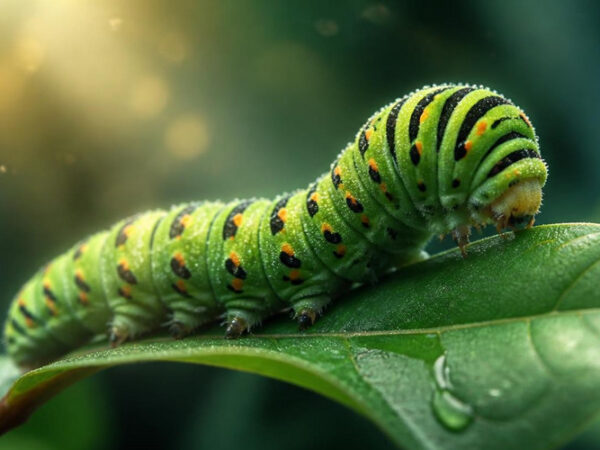
- Caterpillar – The initial stage of growth and consumption before transformation.
- Egg – A symbol of potential and new life that requires a period of incubation.
- Phoenix – A mythical bird that is reborn from its own ashes, representing a more dramatic and fiery transformation.
- Metamorphosis – The broader concept of profound change that the chrysalis physically embodies.